AI Estimating Software for Tile Contractors in Arizona: Faster Phoenix Bids With Cleaner Scope
A practical AI-assisted estimating workflow for Arizona tile contractors bidding Phoenix remodels, tile takeoffs, substrate prep, exclusions, and follow-up.

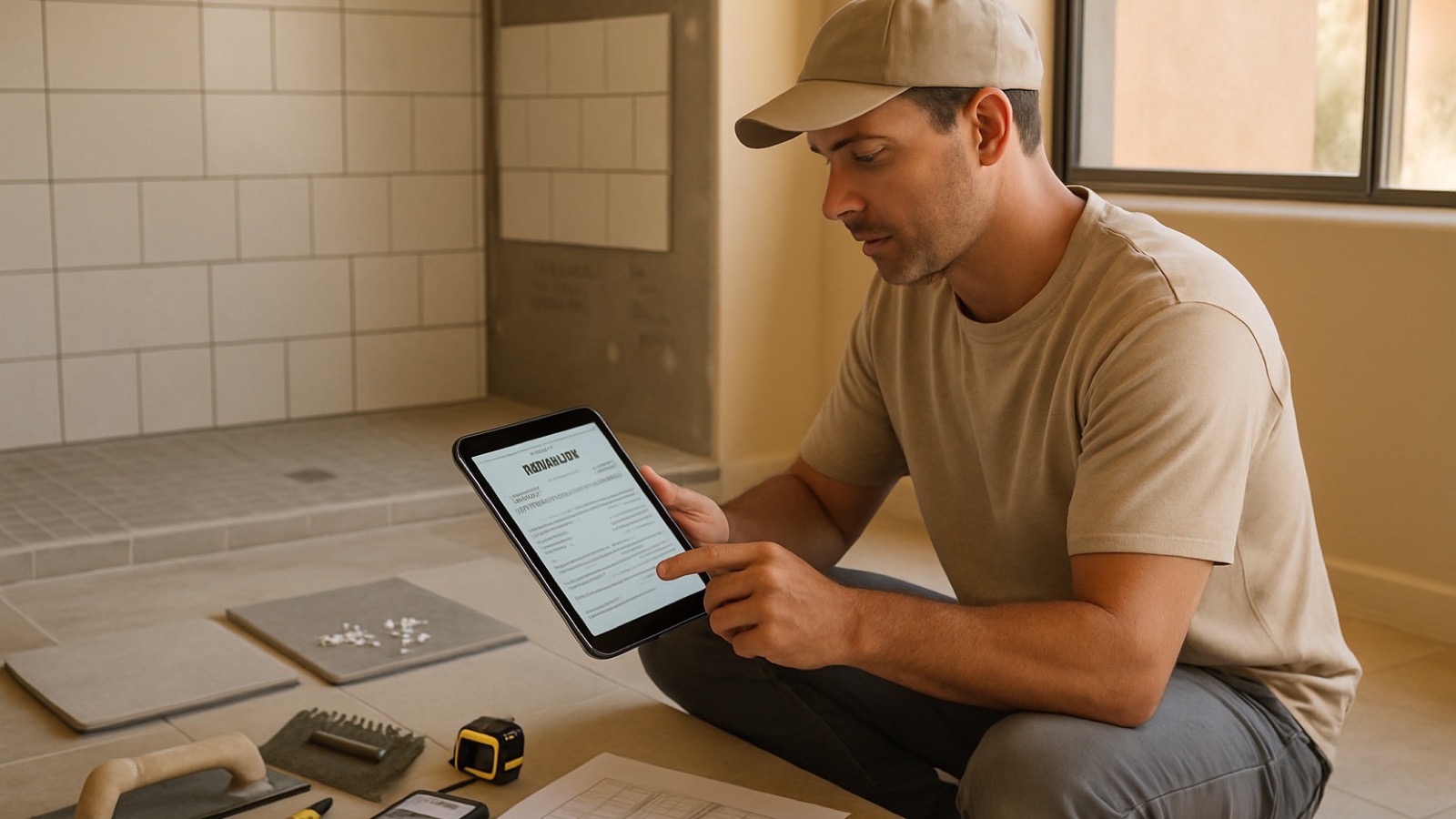
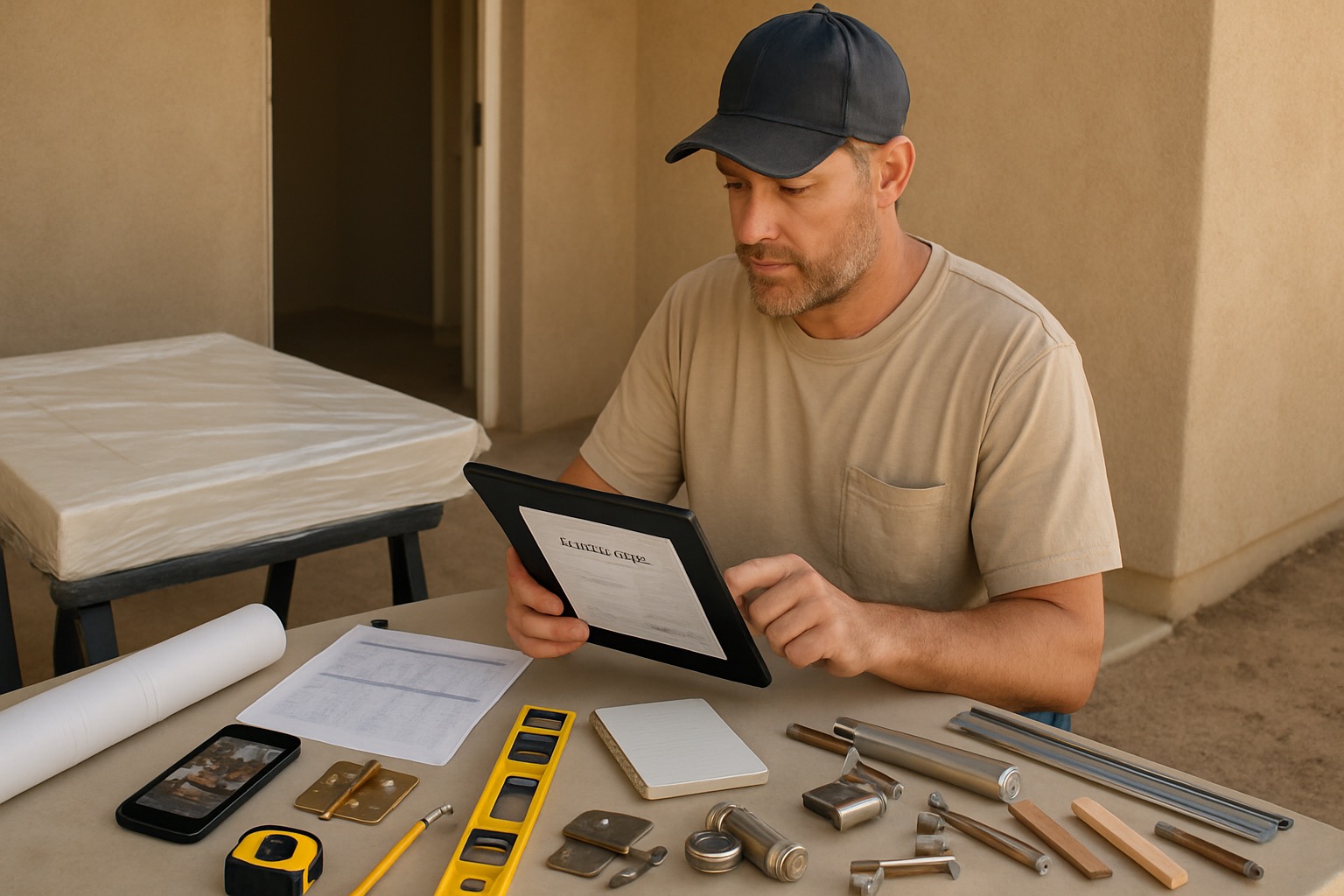
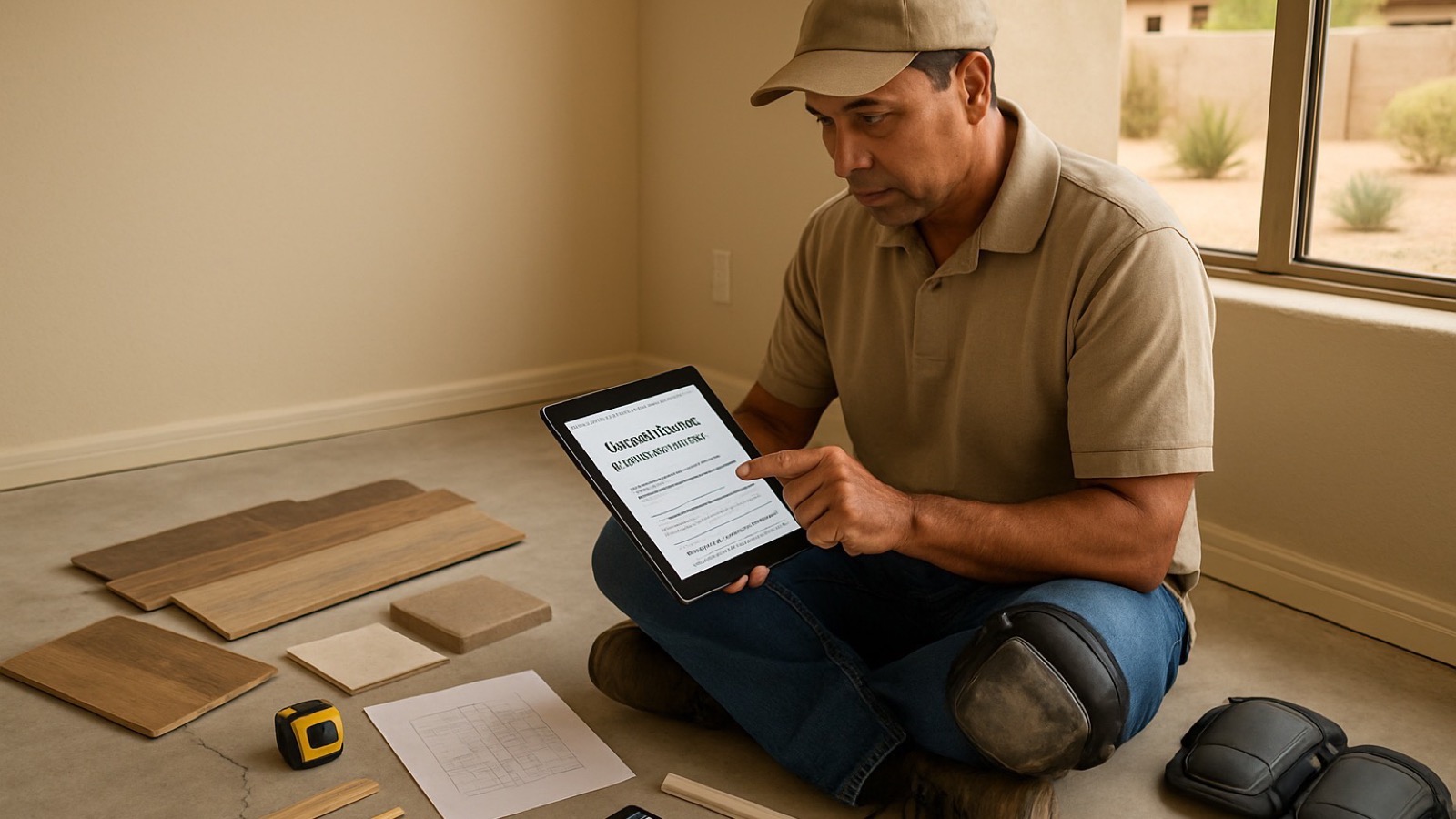
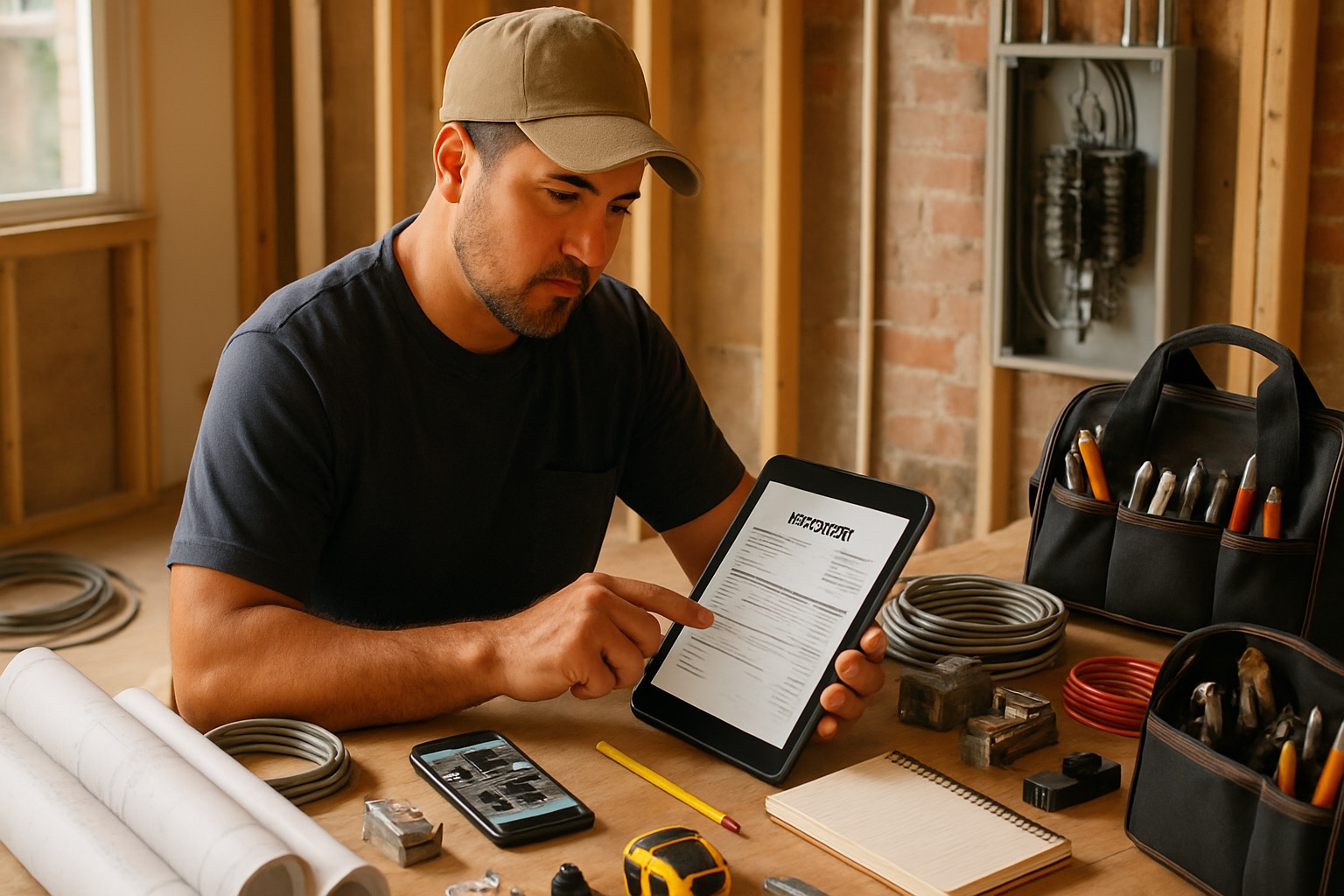
AI estimating software for tile contractors in Arizona should help tile pros move from scattered job information to a cleaner bid faster. The useful version is not a magic price button. It is a workflow that organizes photos, plans, measurements, voice notes, substrate notes, tile selections, trim details, waterproofing assumptions, exclusions, and follow-up into an estimate draft the contractor can review before sending.
For Phoenix tile contractors, speed matters, but scope matters more. A kitchen backsplash, shower remodel, patio tile job, or whole-home floor tile project can look simple until demo exposes the substrate, framing, waterproofing, or slab condition. A fast estimate still needs to explain what is included, what is excluded, what is an allowance, and what requires approval before the crew does extra work.
AI estimating software for tile contractors in Arizona: the short answer
For Arizona tile work, AI estimating software is most useful when it acts like an organized junior estimator. It can help turn job photos, blueprints, field measurements, customer texts, and voice notes into a reviewable draft with line items, scope notes, alternates, and follow-up tasks.
The tile contractor still needs to verify the final takeoff, layout, waste factor, substrate prep, waterproofing method, material selections, labor, schedule, and exclusions. The contractor decides the final number and approves the proposal before it goes to the customer.
A strong Arizona tile estimate should make these details visible:
- Area by room, wall, floor, shower, backsplash, patio, stair, or exterior surface
- Tile size, layout direction, pattern, grout joint, trim pieces, bullnose, profiles, and movement joints
- Demo scope, dust control, haul-off, surface protection, and access
- Substrate condition, slab cracks, patching, self-leveling, backer board, membranes, and waterproofing
- Thinset, grout, sealer, lath, mortar bed, edge profiles, drains, niches, benches, and transitions
- Allowances, alternates, exclusions, change-order triggers, and customer responsibilities
Why this matters for Phoenix and Arizona tile contractors
Tile bids in Arizona often carry more job context than the customer realizes. A Phoenix homeowner may send three bathroom photos and ask for a shower tile price. That is not enough to price cleanly. The estimate should ask whether demolition is included, whether the pan is staying, how waterproofing will be handled, whether plumbing fixtures move, what tile size is selected, whether niches or benches are included, and who supplies materials.
Arizona conditions also affect how contractors think through scope. Dry heat, dust, strong sun exposure at doors and patios, seasonal moisture questions, slab movement, and exterior tile exposure can all influence prep, material choices, movement accommodation, and customer expectations. The bid should not treat every slab, shower, patio, or backsplash like a blank square-footage problem.
State and city context matters too. Tile contractors should understand when licensing, permits, HOA rules, condo access, building management requirements, or sales tax responsibilities apply to a project. Those items may not change every tile line item, but they can change schedule, paperwork, and who is responsible for approvals.
A practical AI-assisted tile estimating workflow
Use this workflow before sending an Arizona tile proposal.
1. Capture the full job story
Collect wide photos, close-ups, and measurements for every surface. For showers, capture the pan, drain, curb, valve wall, niche locations, benches, glass line, ceiling height, and any cracked grout or water damage. For floors, capture slab cracks, existing tile, transitions, baseboards, doorways, stairs, closets, patio exposure, and access paths. If plans are available, attach them. If the walkthrough is rushed, record a short voice note before leaving.
A useful Phoenix voice note might sound like: “Master shower, demo existing tile to studs, customer wants 12-by-24 porcelain vertical stack, include waterproof backer system, one niche, new drain grate by owner, no plumbing relocation, glass by others, tile and grout by owner, include haul-off, hidden framing or pan damage excluded.”
That note gives the estimating workflow far more context than “tile shower, 120 square feet.”
2. Separate takeoff, prep, install, and decisions
Tile estimates get risky when everything becomes one lump-sum line. Break the draft into sections a contractor can scan quickly:
- Takeoff: square footage, linear footage, waste, pattern, cuts, trim, transitions, stairs, and vertical surfaces
- Demo and disposal: existing tile, thinset, backer board, shower tear-out, dust control, protection, and haul-off
- Prep: substrate repair, slab grinding, patching, self-leveling, backer board, membranes, pan work, and waterproofing
- Installation: tile setting, thinset, grout, sealer, movement joints, profiles, niches, benches, curbs, and cleanup
- Customer decisions: tile selection, grout color, edge profile, layout approval, fixture selections, access, and material supply
- Commercial terms: allowances, exclusions, payment schedule, timeline, change orders, and follow-up tasks
This structure protects the contractor from leaving expensive assumptions buried in a text thread.
3. Use photos and plans to flag missing scope
AI can help compare the intake package against common tile estimating categories. If the photos show a shower niche but the note does not mention it, the draft should flag it. If a floor plan shows closets but the customer only measured bedrooms, the draft should ask for the missing areas. If the photos show cracked slab, exterior exposure, an existing mortar bed, or a shower pan, those items should become review questions before the price is sent.
The point is not for software to guess hidden conditions. The point is to make missing assumptions visible while the contractor still has time to ask.
4. Build alternates for uncertain prep
Arizona tile contractors should avoid stuffing every unknown into the base price. Use allowances and alternates where the condition cannot be confirmed before demo. A base bid might include tile installation over a prepared substrate, with alternates for extensive demo, slab grinding, self-leveling, mortar-bed removal, shower pan rebuild, waterproofing upgrades, curb replacement, or crack isolation membrane.
That gives the customer a clearer proposal and gives the contractor a cleaner paper trail if the job changes after demo.
5. Follow up on decisions, not just the number
After the proposal goes out, follow up on decisions that affect scope: final tile size, pattern, grout color, edge profile, waterproofing system, niche layout, who buys material, access dates, fixture selections, and whether alternates should be approved. A follow-up that summarizes open decisions is more useful than a message that only asks, “Did you pick our bid?”
Common tile estimating mistakes to avoid
Watch for these problems on Arizona tile bids:
- Pricing from square footage without confirming layout, cuts, waste, trim, and transitions
- Forgetting demo, dust control, haul-off, substrate prep, waterproofing, edge profiles, and sealing
- Treating shower pan, niche, bench, curb, valve wall, and glass-line details as vague scope
- Leaving owner-supplied tile, broken tile, shortage risk, attic stock, and delivery unclear
- Failing to define what happens if slab cracks, rot, framing issues, or water damage appears after demo
- Sending a proposal with no alternates, exclusions, follow-up tasks, or change-order language
A cleaner estimate does not need to be complicated. It needs to make the expensive assumptions easy to see before the customer signs.
How Estimado AI helps
Estimado AI is being built as AI estimating software for contractors who want faster bids without giving up control. For tile contractors, that means using job photos, blueprints, videos, and voice notes to help create structured estimate drafts with line items, scope notes, alternates, exclusions, and customer-ready language.
Estimado is not a fully autonomous estimator. The contractor stays in the loop, reviews quantities, edits the scope, confirms material and labor assumptions, approves the proposal, and decides when to send it.
If your tile business wants a faster way to turn job photos, plans, measurements, and voice notes into reviewed estimate drafts, join the Estimado AI waitlist.
You can also compare related workflows on the Estimado blog, including AI estimating software for Arizona contractors, AI estimating software for tile contractors in Texas, and AI estimating software for flooring contractors in Arizona.
Next step
If tile estimates are slowed down by incomplete photos, rough square footage, unclear prep, missing waterproofing details, and late follow-up, tighten the intake first. Better job information makes AI-assisted estimating more useful and helps Arizona tile contractors respond faster without bidding blind.
FAQ
Can AI estimate a tile job from photos?
AI can help organize photos, measurements, plans, material choices, and scope notes. A tile contractor still needs to verify dimensions, substrate condition, waterproofing assumptions, labor, materials, waste, and exclusions before sending the estimate.
What should Arizona tile contractors include in an estimate?
A strong Arizona tile estimate should define takeoff quantities, tile layout, demo, dust control, substrate prep, waterproofing, thinset, grout, trim, movement joints, transitions, allowances, exclusions, and change-order triggers.
Is tile estimating software useful for experienced contractors?
Yes, when it reduces office work and keeps the bid organized. Experienced contractors can use AI-assisted workflows to structure photos, plans, voice notes, line items, alternates, follow-up tasks, and customer-facing scope language faster.
Should shower waterproofing be broken out in the estimate?
Often yes. Shower waterproofing affects materials, labor, inspection expectations, and risk. Defining the waterproofing method and exclusions helps the customer understand what is included before demolition starts.
Does Estimado AI send tile estimates automatically?
No. Estimado is designed to help prepare estimate drafts. The contractor reviews, edits, approves, and decides when to send the final estimate.