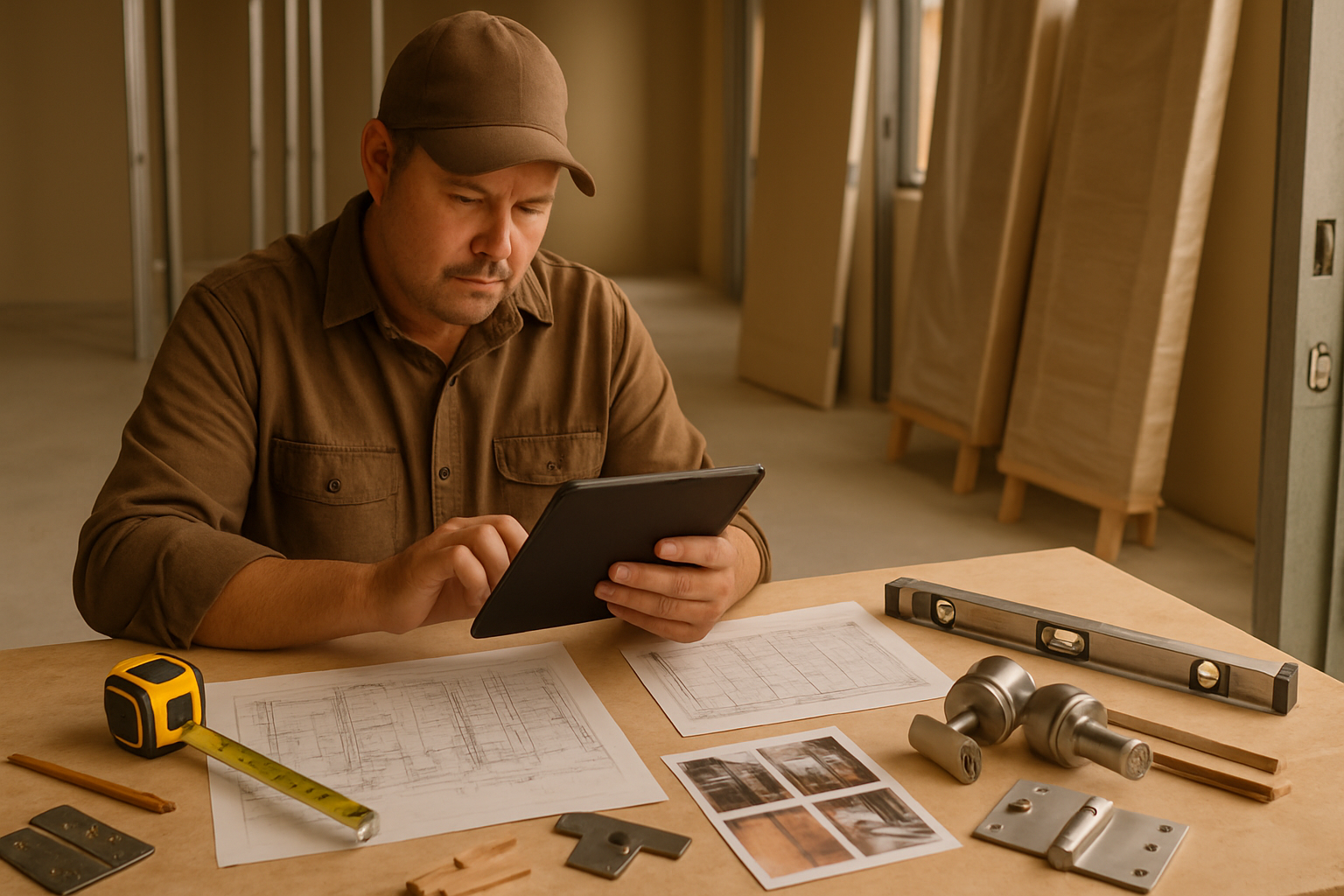
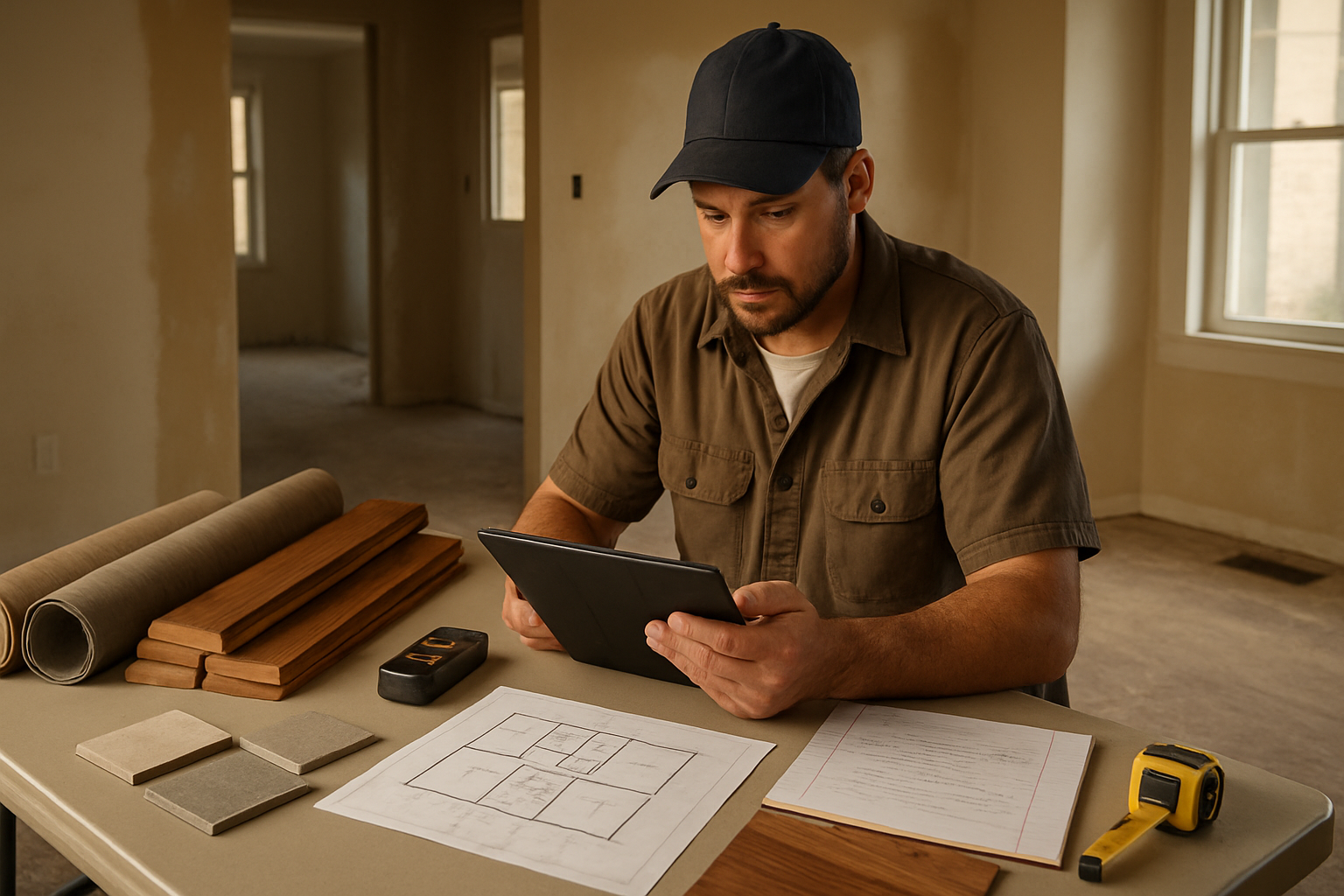
AI Estimating Software for Tile Contractors in Texas: Faster Houston Bids From Photos, Plans, and Voice Notes
Texas tile contractors can use AI-assisted estimating to turn job photos, plans, measurements, shower details, and voice notes into clearer Houston bid drafts.

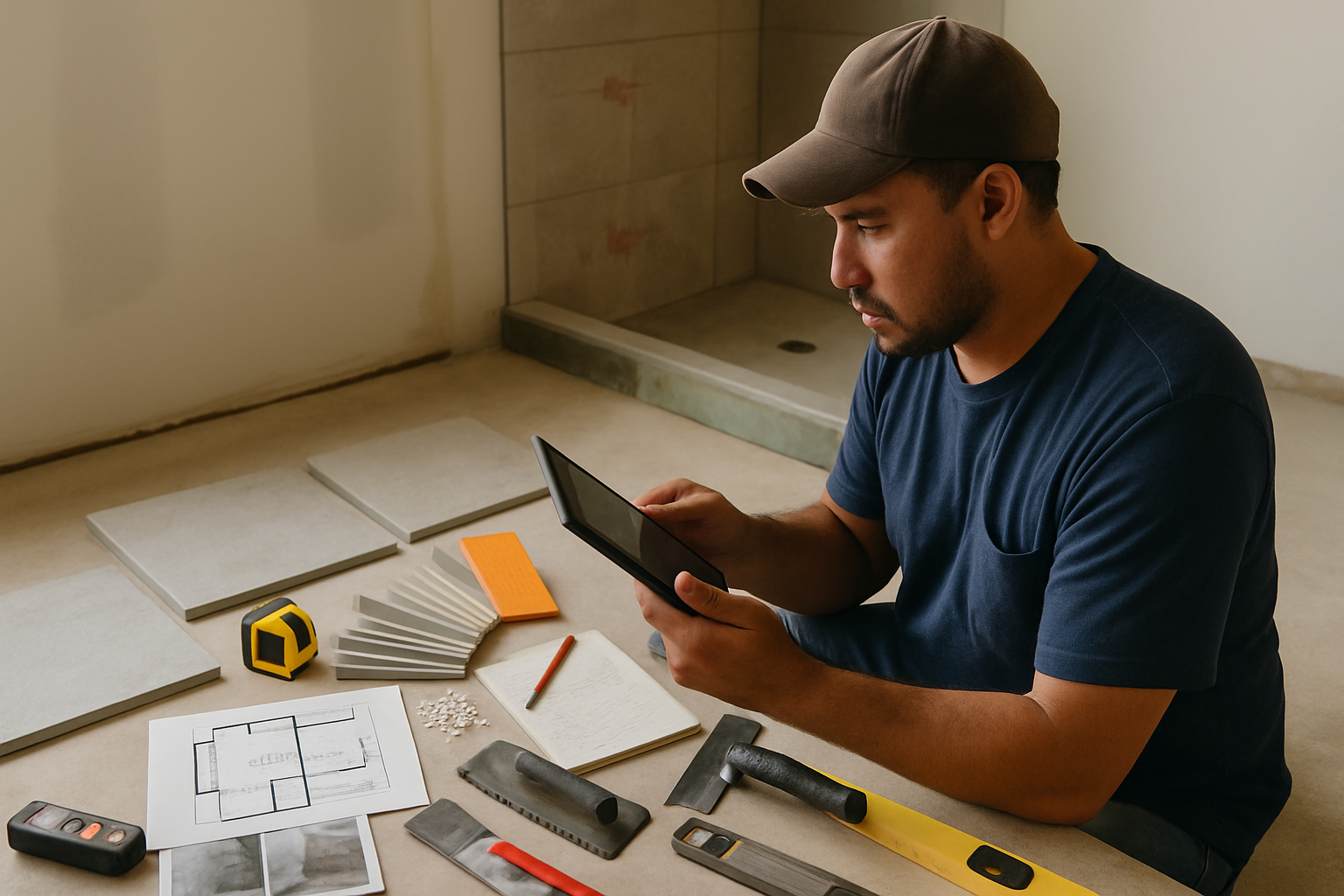
AI estimating software for tile contractors in Texas should help a tile contractor move from scattered job details to a reviewed bid draft faster. For Houston tile crews, that means organizing photos, plans, measurements, tile selections, substrate notes, shower waterproofing details, demo scope, trim pieces, and follow-up before the lead goes cold.
The goal is not to let software guess a final number. A useful AI-assisted estimating workflow helps collect the inputs, draft line items, flag missing scope, and prepare a professional estimate that the contractor still reviews, edits, and approves before sending.
What AI estimating software for tile contractors in Texas should do
Tile estimating is not just square footage. A strong tile bid has to account for layout, pattern, waste, substrate prep, demolition, waterproofing, leveling, expansion movement, trim, grout, access, dust control, disposal, and the customer’s finish expectations.
Good AI estimating software for tile contractors in Texas should help answer five practical questions:
1. What areas are included: floors, showers, tub surrounds, backsplashes, patios, stairs, or commercial restrooms?
2. What inputs support the bid: job photos, blueprints, finish schedules, measurements, videos, or voice notes?
3. What prep is included: demo, crack isolation, floor flattening, backer board, waterproofing, or minor framing coordination?
4. What assumptions could change the price if they are wrong?
5. What follow-up should happen after the estimate is sent?
That matters in Texas because tile contractors often work on slab-on-grade homes, production-builder warranty work, multifamily turns, restaurant remodels, outdoor living areas, and wet-area renovations. Houston adds practical estimating pressure around humidity, storm exposure, possible prior water damage, concrete slab cracks, and busy remodel schedules where the tile scope depends on plumbing, drywall, glass, cabinets, and countertops.
Why Houston tile bids need tighter scope
A Houston tile lead can look simple at first: replace a shower, retile a bathroom floor, install a kitchen backsplash, or bid a commercial restroom from plans. The missed money is usually in the details.
For example, a shower estimate may need to separate demo, haul-off, wall board removal, waterproofing method, pan condition, niche layout, bench details, curb, drain coordination, tile pattern, trim profile, grout type, sealant, and glass-ready finish expectations. A floor tile estimate may need slab crack notes, flattening allowance, movement joints, baseboard scope, door undercuts, transition strips, and furniture or appliance moving.
When those details live in text messages, supplier screenshots, plan sheets, walkthrough photos, and memory, the bid slows down. More importantly, the estimate can become vague. AI can help by converting those inputs into a structured first draft so the contractor reviews a complete scope instead of starting from a blank page.
For related Texas trade workflows, see the Estimado guide to AI estimating software for flooring contractors in Texas. Estimado also keeps a broader contractor library on the Estimado AI blog.
A practical AI-assisted tile estimating workflow
Use AI like a junior estimator at your right hand. It should organize and draft, not replace your tile judgment.
1. Capture the tile job before you price it
Before leaving the site, collect the information your estimator would ask for:
- Wide photos of every room, wall, shower, doorway, curb, niche, backsplash, transition, and existing tile condition
- Close-ups of cracks, moisture staining, loose tile, uneven slabs, failed grout, plumbing penetrations, and substrate concerns
- Measurements or plan sheets matched to room names and photos
- Tile selection notes, pattern direction, grout color, trim profile, edge treatment, and owner-supplied material assumptions
- A short voice note describing demo, prep, waterproofing, access, work hours, exclusions, and unanswered questions
A simple voice note might say: “Houston master shower, remove existing tile to studs if needed, confirm pan condition, include waterproofing, customer wants 24-by-48 porcelain vertical stack, niche on valve wall, glass by others, plumbing relocation excluded.” That note gives the estimate real context.
2. Convert inputs into a bid structure
The draft estimate should break the job into sections the contractor can review quickly:
- takeoff areas and tile quantities;
- demo and disposal;
- substrate prep, crack isolation, floor flattening, or backer board;
- waterproofing for showers and wet areas;
- tile setting materials, grout, sealant, trim, movement joints, and accessories;
- labor phases by floor, wall, shower, backsplash, or commercial area;
- exclusions, allowances, alternates, and customer selections still pending.
For blueprint jobs, the draft should tie quantities back to plan sheets, room tags, finish schedules, and alternates. For photo-based remodels, it should identify where assumptions came from and what still needs confirmation.
3. Review Texas-specific tile risks
Before sending a Texas tile estimate, run a short risk check:
- Is the tile going over a concrete slab, wood subfloor, existing tile, backer board, or mud bed?
- Are slab cracks, prior water intrusion, humidity, or flood repair history relevant?
- Does the product require special substrate flatness, lippage control, layout planning, or handling for large-format tile?
- Is waterproofing clearly included for showers, tub surrounds, benches, niches, curbs, and wet walls?
- Are plumbing changes, glass, drywall, paint, baseboards, cabinets, countertops, and doors included or excluded?
- Do HOA, building owner, commercial site, city permit, or inspection requirements affect the schedule?
Not every tile job needs a long legal proposal. But the estimate should name the assumptions that affect labor, material, and responsibility.
4. Follow up with scope, not a generic check-in
Fast estimates only help if the contractor follows up while the customer still remembers the walkthrough. A useful follow-up might say: “I sent the shower tile estimate. It includes demo, waterproofing, tile installation, grout, trim, and cleanup. Glass, plumbing relocation, and hidden framing repair are excluded unless we confirm them before start.”
That type of follow-up is easier when the original estimate is organized. It also helps the customer compare bids based on scope, not just price.
Common tile estimating mistakes AI can help reduce
AI will not fix a weak estimating process, but it can make common gaps easier to catch:
- Bidding tile square footage without separate prep, waterproofing, trim, grout, and disposal
- Treating a shower like a simple floor install
- Forgetting niches, benches, curbs, shelves, jambs, returns, thresholds, and edge profiles
- Leaving slab crack repair, floor flattening, and movement joints vague
- Not documenting owner-supplied tile, long-lead material, attic stock, or waste assumptions
- Forgetting coordination with plumbing, glass, cabinets, countertops, drywall, or paint
- Sending a fast proposal with no structured follow-up plan
The goal is not to make every tile estimate longer. The goal is to make the scope clear enough that the contractor, crew, and customer understand the same job.
How Estimado AI helps tile contractors estimate faster
Estimado AI is built for contractors who want a faster way to turn project inputs into professional estimate drafts. For tile contractors, that means using job photos, blueprints, videos, text notes, and voice notes to help create a structured scope, material list, labor breakdown, assumptions, and customer-ready estimate for review.
The contractor remains the senior estimator. Estimado can help organize information, draft the estimate, and surface missing details, but you still review quantities, adjust labor and pricing, confirm assumptions, and approve before anything goes to the customer.
If your tile company wants to turn photos, plans, shower notes, and field measurements into reviewed estimates faster, join the Estimado AI waitlist and see how AI-assisted estimating can support your bid process.
Next step
Start by standardizing your inputs: photos, measurements, tile selections, substrate notes, waterproofing assumptions, estimate review, and follow-up. Once that process is consistent, AI estimating software can help a Texas tile company move faster without giving up control of the final bid.
FAQ
Can AI estimating software price tile jobs without contractor review?
It should not. Tile estimates need contractor judgment on prep, waterproofing, layout, labor, product requirements, waste, exclusions, and jobsite risk. AI can draft and organize the estimate, but the contractor should review and approve before sending.
What inputs help AI create a better tile estimate?
Photos of every room, shower, transition, substrate issue, existing tile condition, and finish detail are useful. Measurements, plan sheets, finish schedules, tile selections, and a short voice note describing the requested scope make the draft stronger.
Is AI estimating useful for both residential and commercial tile?
Yes. Photo-based workflows can help with residential showers, floors, backsplashes, and remodels. Plan-based workflows can help with commercial restrooms, multifamily units, finish schedules, room tags, alternates, and larger takeoffs.
How should Texas tile contractors handle waterproofing assumptions?
Do not bury them. If waterproofing, pan work, crack isolation, or substrate repair could affect the job, the estimate should state what is included, what is excluded, and what needs confirmation before final approval.
What is the main benefit for a small tile company?
The main benefit is reducing the delay between site visit and quote. A cleaner workflow helps turn photos, plans, measurements, and notes into a reviewed draft faster and gives the contractor a better system for follow-up.