AI Estimating Software for Doors Contractors in Arizona: Faster Phoenix Bids With Cleaner Scope
A practical AI-assisted estimating workflow for Arizona door contractors bidding Phoenix remodels, replacements, commercial openings, hardware, exterior exposure, exclusions, and follow-up.

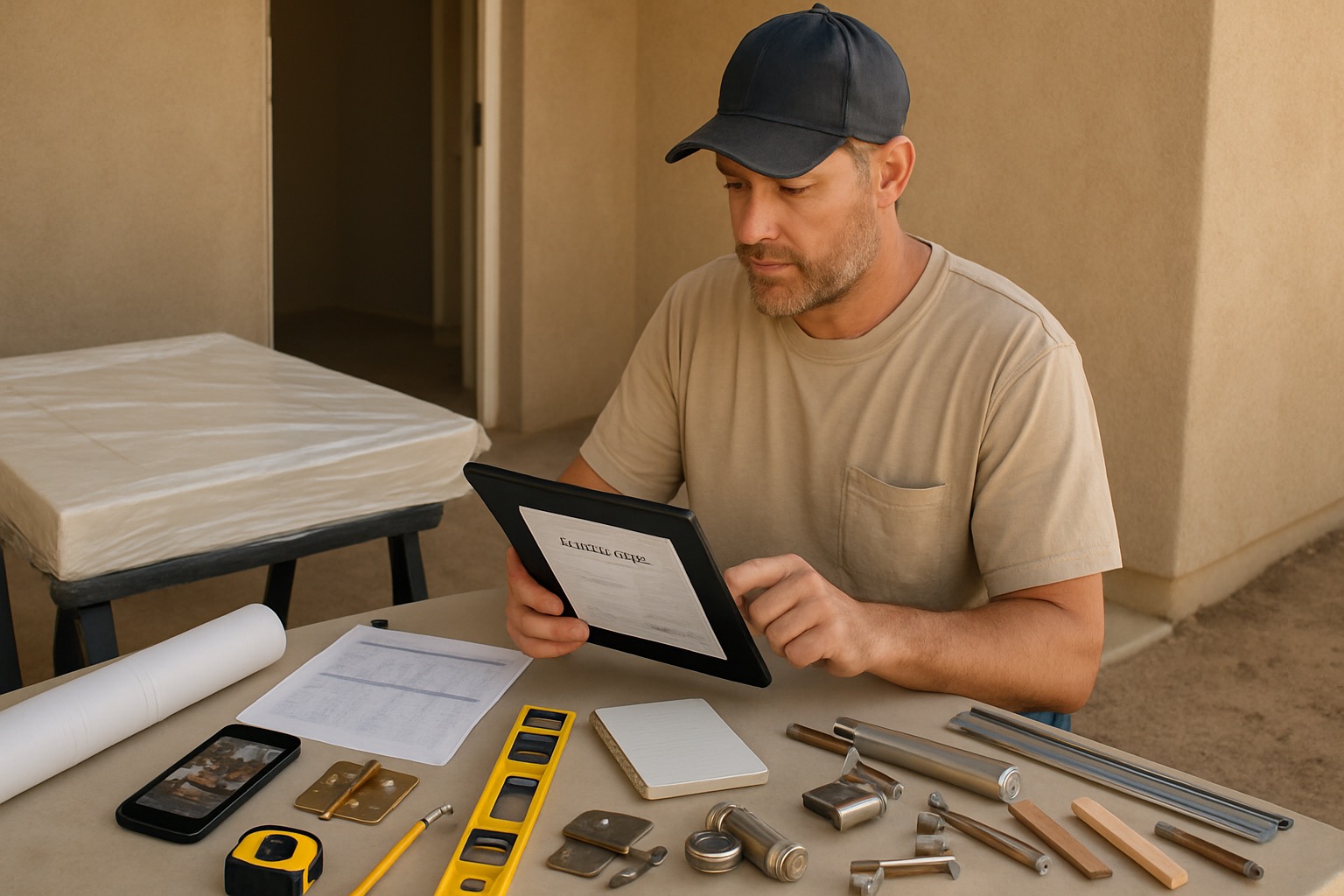
AI estimating software for doors contractors in Arizona should help a contractor respond faster without turning every replacement, remodel, storefront, multifamily repair, or commercial opening into a vague lump sum. The useful version organizes job photos, door schedules, plans, videos, voice notes, hardware selections, field measurements, exclusions, and follow-up into a draft the contractor reviews before it reaches the customer.
For a Phoenix door contractor, speed matters because owners, GCs, property managers, remodelers, and homeowners often want numbers quickly. But door estimating is not just counting openings. Exterior exposure, frame condition, stucco or block patching, threshold details, fire ratings, panic hardware, access control, handing, finish responsibility, lead times, after-hours work, and who owns repairs around the opening can all change the real bid.
AI estimating software for doors contractors in Arizona: the short answer
For Arizona door work, AI estimating software is most helpful when it acts like an organized junior estimator. It can turn scattered inputs into a structured estimate draft, separate interior doors from exterior doors, organize hardware and frame details, flag missing decisions, prepare customer-ready scope language, and help track follow-up after the bid goes out.
A strong door estimate still needs the contractor to verify:
- Door count, size, swing, handing, material, rating, frame type, and finish assumptions
- Interior versus exterior exposure, threshold condition, weatherstripping, sweeps, sealant, and water-intrusion risk
- Hardware sets, hinges, closers, locksets, panic hardware, access control, glass kits, stops, lites, and security items
- Patching, stucco, drywall, paint, flooring transitions, masonry, trim, disposal, protection, staging, and after-hours access
- Permitting, fire-rated assemblies, egress, accessibility, owner requirements, exclusions, alternates, and change-order triggers
The point is not to let software bid blind. The point is to create a cleaner first draft faster so the contractor can spend review time on scope, risk, labor, material, lead times, and margin.
Why this matters for Phoenix and Arizona door contractors
Arizona door contractors deal with a wide mix of residential replacements, remodels, multifamily maintenance, tenant improvements, commercial punch lists, security upgrades, and exterior openings exposed to desert conditions. Phoenix adds practical estimating realities: heat, dust, sun exposure, stucco and masonry around openings, monsoon-season water questions, occupied homes, retirement communities, retail spaces, and property managers who need clear scope before approving work.
Those details affect the bid. A standard interior slab replacement is different from an exterior door with a damaged threshold, sun-baked weatherstripping, stucco repair around the frame, security hardware, paint by others, and a return trip after material arrives. A commercial corridor door is different again if it involves rated assemblies, closers, panic hardware, accessibility clearances, or access control coordination.
Local requirements can vary by city, building type, and scope. A Phoenix-area proposal should make permit responsibility, inspection responsibility, fire or accessibility questions, owner-supplied materials, and other-trade work easy to see. If the estimate only says “install doors,” the contractor may absorb hidden finish work, hardware changes, schedule delays, or patch-back disputes later.
A practical AI-assisted door estimating workflow
Use this workflow before sending an Arizona door bid.
1. Capture the opening, not just the door
Before leaving the job, take photos of the slab, frame, hinges, strike side, threshold, sweep, closer, lockset, existing damage, wall surface, flooring transition, rough opening, exterior exposure, and access path. For commercial jobs, capture the door label or schedule reference when available, the hardware set, any access control, and nearby rated corridor or egress conditions.
Add a short voice note while the walkthrough is fresh. For example: “Phoenix exterior back door, existing frame is damaged, stucco patch likely by others, new threshold and weatherstripping needed, customer wants keypad lock, paint not included, verify left-hand outswing, include disposal, confirm permit question if opening changes.” That note gives the estimating process real context instead of forcing someone to guess from photos.
2. Turn photos, plans, and schedules into scope sections
Door bids get risky when every material, labor item, and exclusion sits inside one number. Break the draft into sections the contractor can review:
- Interior doors, exterior doors, hollow metal doors, wood doors, frames, trim, thresholds, sweeps, seals, and stops
- Hinges, locksets, closers, panic hardware, access control coordination, glass lites, viewers, kick plates, and specialty hardware
- Demolition, disposal, protection, patching, paint, stucco, masonry, drywall, flooring transitions, caulking, and cleanup
- Field measurement assumptions, lead times, owner selections, alternates, exclusions, and change-order triggers
- Access constraints such as occupied buildings, gated communities, retail hours, elevator use, parking, staging, or after-hours work
This structure helps the estimator see what is actually included before the customer compares your bid against a cheaper but thinner scope.
3. Flag missing decisions before pricing is final
AI can organize the questions, but the contractor decides what matters. The estimate draft should call out missing hardware selections, unclear handing, unknown frame damage, exterior sealant responsibility, owner-supplied material risk, incomplete plan sheets, unclear fire rating, access-control coordination, or patch-back scope.
For plan-based work, list which drawings, schedules, specifications, and revisions were used. For replacement and remodel work, separate what was visible during the walkthrough from what may change once trim, frames, stucco, or flooring transitions are opened.
4. Make exclusions and alternates easy to understand
A clear Arizona door bid names what is excluded or priced separately:
- Stucco, masonry, drywall, paint, flooring, electrical, security wiring, concrete, storefront glass, and structural work by others unless listed
- Permit fees, after-hours work, lift rental, special inspections, owner material delays, and return trips when not included
- Hidden frame rot, rust, water damage, termite damage, out-of-square openings, code corrections, or changes discovered after demolition
- Hardware upgrades, electronic locks, panic hardware, access control, fire-rated assemblies, and specialty finishes unless specifically included
Alternates help when the customer is deciding between options. Give a base scope, a hardware upgrade alternate, a paint-by-contractor alternate, a threshold/weatherstrip alternate, or a security/access-control coordination alternate without confusing the main proposal.
5. Follow up around open scope decisions
Follow-up should be more useful than “just checking in.” A stronger message says, “Before we can schedule, we need approval on the hardware set, confirmation that paint and stucco patching are by others, final handing confirmation, and a decision on the exterior threshold alternate.” That helps the customer move forward and protects your crew from unclear scope.
AI-assisted follow-up can help track those open decisions, but the contractor still owns the relationship, the final number, and the send button.
Common door estimating mistakes to avoid
The biggest mistake is bidding only from the opening count. Counts matter, but the real cost depends on door type, frame condition, finish responsibility, exterior exposure, hardware, access, lead time, and return trips. Watch for these problems:
- Pricing from a quick walkthrough without recording frame photos, threshold details, hardware, swing, handing, access, and patch-back responsibility
- Forgetting disposal, protection, caulking, cleanup, paint touch-up, stucco or drywall coordination, travel time, or second trips
- Leaving owner-supplied hardware, electronic locks, panic hardware, access control, and specialty finishes unclear
- Failing to separate base scope from alternates and optional upgrades
- Sending a fast bid with no exclusions for hidden opening damage, code corrections, or changes after demolition
- Letting a warm Phoenix lead sit after the site visit because the estimate is stuck in the office
A stronger door estimate makes assumptions visible before the slab is ordered, the frame is removed, or the crew shows up.
How Estimado AI helps
Estimado AI is being built as AI estimating software for contractors who want faster estimates without giving up control. For door contractors, that means using blueprints, door schedules, job photos, videos, and voice notes to help prepare structured estimate drafts with scope sections, quantities, assumptions, exclusions, alternates, follow-up tasks, and customer-ready language.
Estimado is not a fully autonomous estimator. The contractor stays in the loop, checks the scope, confirms quantities and materials, reviews labor and risk, edits the proposal, approves the final version, and decides when to send it.
If your door company wants a faster way to turn Phoenix walkthrough photos, plans, hardware notes, and open scope questions into reviewed bid drafts, join the Estimado AI waitlist.
You can also compare related Arizona estimating workflows on the Estimado blog, including AI estimating software for flooring contractors in Arizona and AI estimating software for tile contractors in Arizona.
Next step
If door estimates are slowed down by scattered photos, door schedules, hardware decisions, exterior details, patch-back questions, exclusions, and late follow-up, tighten the intake process first. Better job information makes AI-assisted estimating more useful and helps Arizona door contractors respond faster without hiding risk.
FAQ
Can AI estimate door jobs from photos and plans?
AI can help organize photos, drawings, door schedules, hardware notes, videos, voice notes, line items, assumptions, exclusions, and proposal language. A door contractor still needs to verify measurements, handing, ratings, material choices, labor, code questions, and final price before sending the bid.
What should an Arizona door estimate include?
An Arizona door estimate should define door type, size, swing, handing, frame type, hardware, threshold, weatherstripping, finish responsibility, exterior exposure, patch-back, disposal, access assumptions, exclusions, alternates, and change-order triggers.
Is door estimating software useful for experienced contractors?
Yes, when it reduces office work and keeps details organized. Experienced door contractors can use AI to structure field photos, schedules, hardware notes, exclusions, follow-up tasks, and customer-ready proposals faster.
Should door bids separate stucco, drywall, paint, and other trades?
Usually yes. Stucco, drywall, paint, masonry, flooring transitions, security wiring, storefront glass, electrical, and structural work should be clearly included, excluded, or assigned to others. Clear responsibility language helps prevent disputes.
Does Estimado AI send door estimates automatically?
No. Estimado is designed to help prepare structured estimate drafts. The contractor reviews the estimate, edits where needed, approves the final version, and decides when to send it.