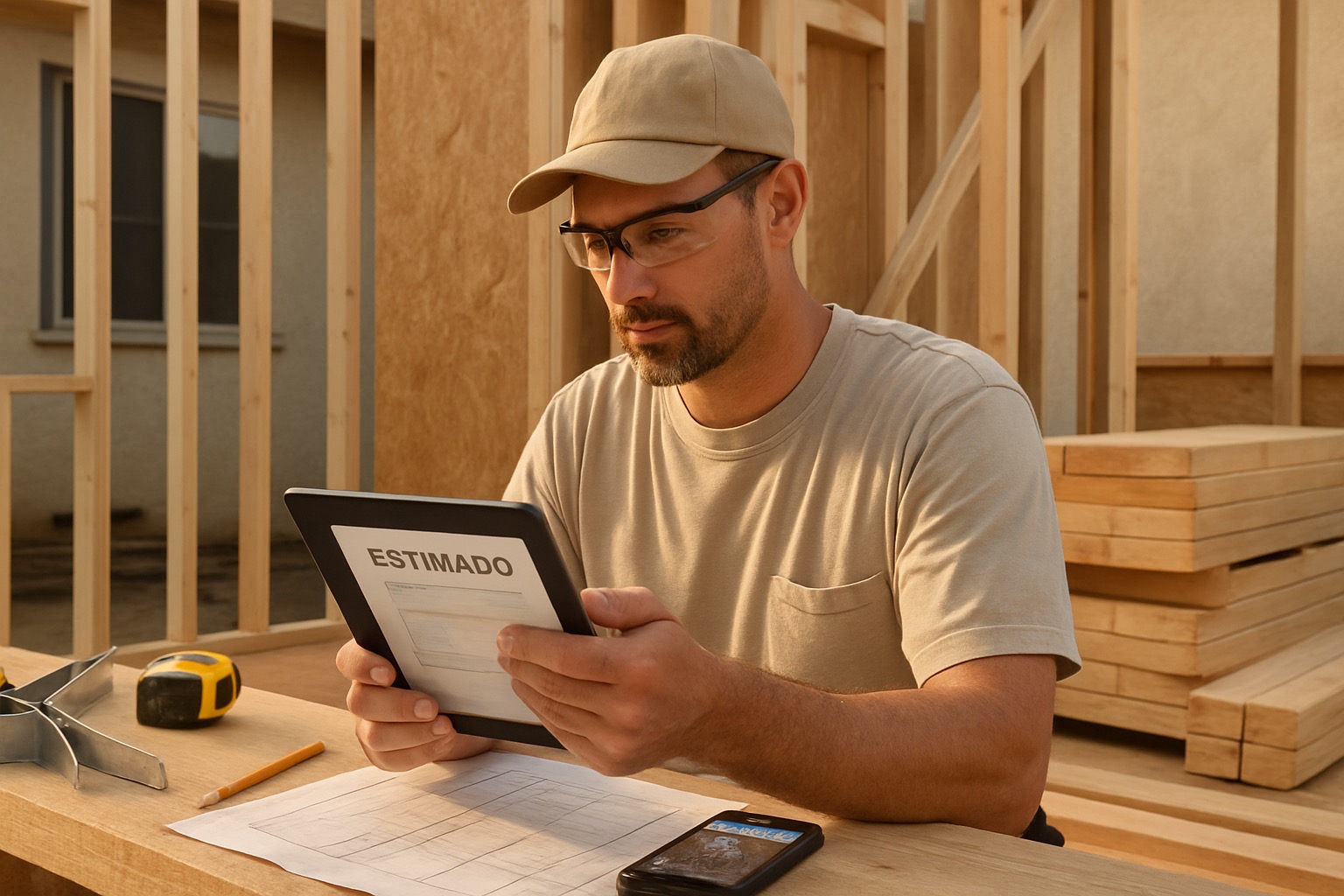
AI Estimating Software for Rough Carpentry Contractors in California: Faster Los Angeles Bids From Plans, Photos, and Scope Notes
A practical AI-assisted estimating workflow for California rough carpentry contractors bidding Los Angeles framing support, blocking, sheathing, seismic hardware, repair scope, exclusions, and follow-up.

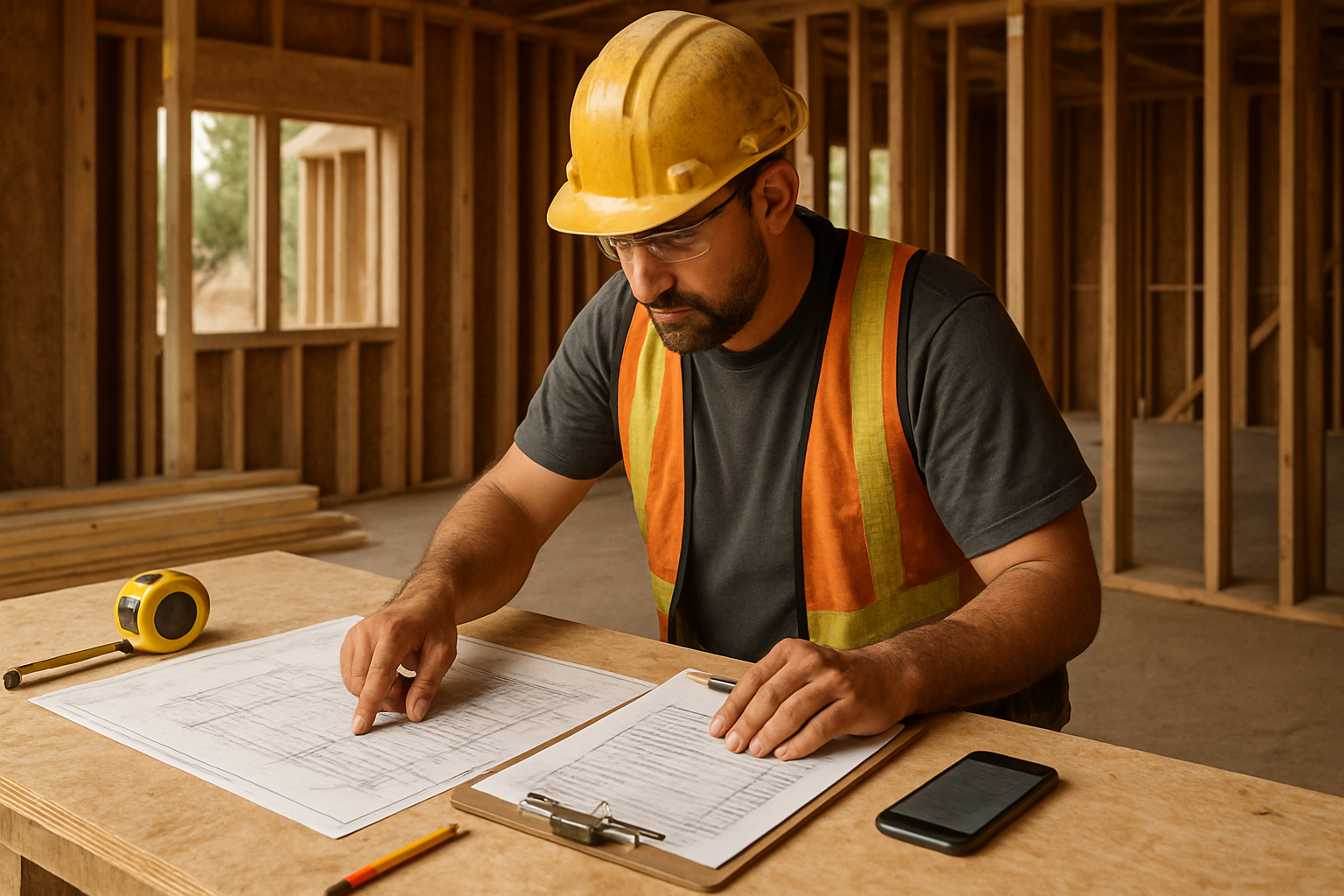
AI estimating software for rough carpentry contractors in California should help crews turn messy project information into a cleaner bid draft faster. The right workflow does not replace the carpenter who understands framing, blocking, sheathing, structural notes, hardware, field access, and hidden conditions. It organizes the plans, photos, videos, voice notes, addenda, scope gaps, and follow-up tasks so the contractor can review the estimate before it goes out.
For a Los Angeles rough carpentry contractor, the risk is rarely one obvious line item. It is the small support work that gets buried: blocking for cabinets and accessories, backing for railings, sheathing patches, hold-downs, connectors, treated material, stair framing, temporary bracing, repair scope, return trips, and exclusions around hidden damage.
AI estimating software for rough carpentry contractors in California: the short answer
For California rough carpentry work, AI estimating software is most useful when it acts like an organized junior estimator. It can help sort plan sheets, pull out scope notes, tie job photos to work areas, draft line items, flag missing assumptions, and prepare follow-up language after the bid is sent.
A rough carpentry estimate still needs a contractor checking details such as:
- What structural sheets, architectural details, schedules, and addenda control the work?
- Are blocking, backing, nailers, fire blocking, shear wall edges, bucks, furring, and miscellaneous supports clearly included?
- Which lumber, panels, fasteners, adhesives, anchors, connectors, straps, hangers, hold-downs, treated material, and specialty hardware are required?
- Are access, protection, demolition, disposal, layout, temporary bracing, second-floor work, parking, material staging, and return trips priced or excluded?
- Does the proposal explain hidden conditions, seismic-related details, inspection assumptions, customer selections, allowances, alternates, and change-order triggers?
The value is not an automatic number. The value is a better first draft that makes scope, quantities, labor, risk, and exclusions easier to review.
Why this matters for Los Angeles and California rough carpentry contractors
California rough carpentry often sits close to structural requirements, inspections, and coordination with other trades. In Los Angeles, a small remodel can involve hillside access, tight parking, older framing, water-damaged members, seismic retrofit details, structural repair notes, or plan revisions from an engineer. A bid that says “rough carpentry included” is not enough.
Take a common Los Angeles remodel lead. A GC sends plan sheets, a few site photos, and a message that says, “Include backing, shear wall patch, stair rough-in, and hardware per structural.” That short note can become several estimate sections: plan review, layout, temporary protection, backing by room, sheathing repair, connector and hold-down assumptions, stair framing, treated material where exposed, demolition and haul-off, inspection coordination, and exclusions for hidden rot or out-of-scope structural work.
Statewide, California contractors also have to be careful about jurisdiction-specific requirements. The California Building Standards Code, local building departments, engineer details, energy-related assemblies, fire-area requirements, and WUI or hillside conditions may affect material choices, fastening, inspection steps, or documentation. The estimate should not guess at those items. It should surface them for contractor review and cite what still needs confirmation.
A practical AI-assisted rough carpentry estimating workflow
Use this workflow before sending a California rough carpentry bid.
1. Capture the full intake package
Start with the architectural sheets, structural sheets, details, schedules, addenda, photos, measurements, videos, and a short voice note while the job is fresh. For remodels, capture wide photos and close-ups of existing framing, openings, stairs, decks, roof tie-ins, damaged members, access paths, crawl spaces, and locations where plumbing, electrical, HVAC, cabinets, railings, or shower glass will need support.
A useful field note might say: “Include blocking for kitchen cabinets, bath accessories, handrail, TV wall, shear wall repair at rear opening, hardware per structural notes, hidden rot excluded, return trip after MEP rough-in excluded unless scheduled.” That gives the estimate more context than photos alone.
2. Separate rough carpentry into reviewable sections
Rough carpentry gets risky when everything is priced under one vague line item. Break the draft into sections such as:
- Mobilization, plan review, layout, protection, access, parking, staging, lift or scaffold needs
- Blocking, backing, nailers, furring, bucks, fire blocking, miscellaneous supports, and punch items
- Sheathing, subfloor patches, stair framing, deck or balcony framing, porch framing, and repair work
- Lumber, panels, connectors, straps, hangers, anchors, hold-downs, fasteners, adhesives, and treated material
- Demolition, selective removal, disposal, cleanup, inspection coordination, and return trips
- Alternates, allowances, exclusions, hidden conditions, addenda, and follow-up tasks
This structure makes the bid easier for an owner, GC, or senior estimator to review before it becomes a customer-facing proposal.
3. Keep trade coordination visible
Rough carpentry often depends on decisions by others. Backing may depend on cabinet layouts, bathroom accessory locations, handrail details, shower glass, TV mounts, closet systems, electrical boxes, plumbing walls, HVAC chases, or owner selections. Structural rough carpentry may depend on engineer details, hardware schedules, inspection timing, waterproofing by others, or existing framing conditions.
AI can help keep those dependencies visible. It should not pretend a missing cabinet layout, structural detail, or inspection note is known. If a decision is not confirmed, the estimate should say what is included, what is excluded, and what triggers a change order.
4. Use alternates for uncertain repair work
Many California rough carpentry bids need a base price plus alternates. A Los Angeles remodel might include a base bid for defined blocking and backing, an alternate for hidden water-damaged framing, another alternate for upgraded hardware if the engineer revises the detail, and a separate allowance for extra access or second mobilization.
Alternates protect both sides. The customer sees what is included, and the contractor avoids absorbing work that was never defined. They also make follow-up more useful because the conversation can focus on real decisions instead of just “Can you do it cheaper?”
5. Follow up with scope, not just price
After the bid goes out, follow up on the details that move the number: final cabinet layout, handrail locations, hardware clarification, stair detail, sheathing repair limits, access dates, inspection timing, addenda, and return trips. A follow-up that repeats the scope is stronger than a generic “Do you want to move forward?” message.
Common rough carpentry estimating mistakes to avoid
The biggest mistake is treating rough carpentry as miscellaneous framing instead of a defined scope with assumptions. Watch for these problems:
- Missing blocking, backing, nailers, bucks, furring, fire blocking, sheathing edges, or specialty supports
- Forgetting connectors, anchors, straps, hangers, hold-downs, fasteners, adhesives, treated lumber, and specialty hardware
- Pricing photos without checking structural sheets, architectural details, schedules, addenda, and inspection notes
- Leaving demolition, disposal, protection, access, staging, cleanup, and return trips vague
- Assuming hidden rot, termite damage, water damage, out-of-plumb framing, or engineer revisions are included without limits
- Sending a bid with no alternates, exclusions, allowances, or follow-up plan
A stronger rough carpentry estimate makes the small details easy to see before they become unpaid extras.
How Estimado AI helps
Estimado AI is built as AI estimating software for contractors who want faster bids without giving up control of the final number. For rough carpentry contractors, that means using blueprints, job photos, videos, and voice notes to help prepare a structured estimate draft with line items, assumptions, exclusions, alternates, and customer-ready language.
Estimado is not a fully autonomous estimator. The contractor stays in the loop, checks quantities, confirms materials and labor, reviews risk, edits the proposal, approves the final version, and decides when to send it.
If your rough carpentry team wants a better way to turn plans, job photos, field notes, hardware questions, and exclusions into reviewed estimate drafts, join the Estimado AI waitlist.
You can also compare nearby California workflows on the Estimado blog, including AI estimating software for framing contractors in California, AI estimating software for drywall and framing contractors in California, and AI estimating software for concrete contractors in California.
Next step
If rough carpentry estimates are getting slowed down by scattered plans, photos, addenda, structural hardware questions, exclusions, and late follow-up, tighten the intake process first. Better job information makes AI-assisted estimating more useful and helps California contractors respond faster without bidding blind.
FAQ
Can AI estimate rough carpentry from photos and plans?
AI can help organize photos, plans, measurements, blocking notes, structural details, hardware, exclusions, and proposal language. A rough carpentry contractor still needs to verify quantities, constructability, labor, access, materials, and risk before sending the bid.
What should a California rough carpentry estimate include?
A California rough carpentry estimate should define blocking, backing, nailers, sheathing, stair or deck framing, structural hardware, treated material, access, demolition, cleanup, inspection assumptions, return trips, allowances, exclusions, hidden conditions, and change-order triggers.
Is rough carpentry estimating software useful for experienced contractors?
Yes, when it reduces office work and keeps details organized. Experienced rough carpentry contractors can use AI to structure plans, photos, voice notes, line items, alternates, exclusions, and follow-up tasks faster.
Should rough carpentry bids separate repair work from new work?
Usually yes. Repairs often carry hidden conditions such as rot, termites, water damage, movement, missing hardware, or revised structural details. Separating new work, repairs, alternates, and exclusions makes the bid easier to review.
Does Estimado AI send rough carpentry estimates automatically?
No. Estimado helps prepare structured estimate drafts. The contractor reviews the estimate, edits where needed, approves the final version, and decides when to send it.