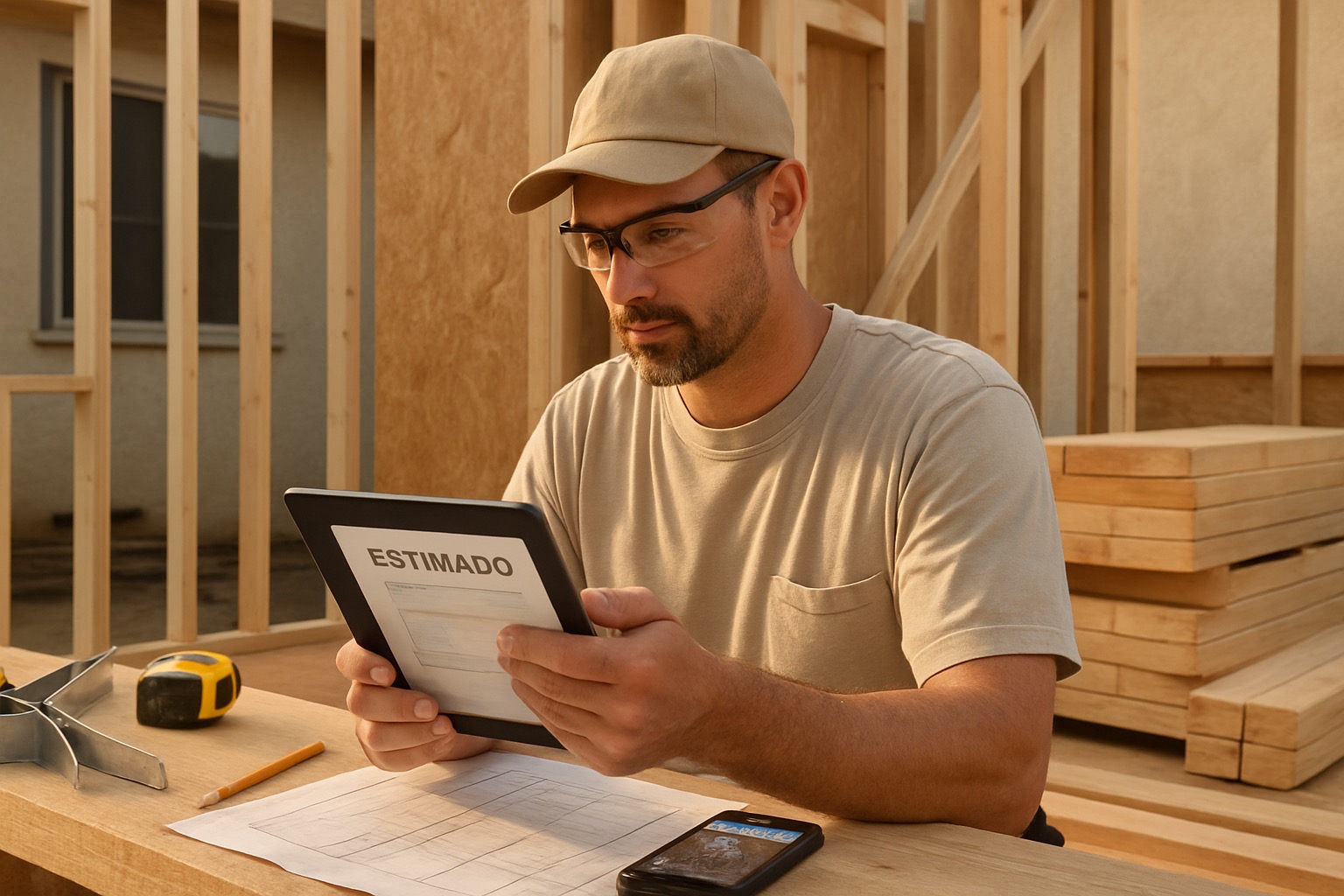
AI Estimating Software for Concrete Contractors in California: Faster Los Angeles Flatwork Bids From Photos, Plans, and Scope Notes
A practical AI-assisted estimating workflow for California concrete contractors bidding Los Angeles slabs, driveways, patios, retaining work, repairs, forms, rebar, pour logistics, exclusions, and follow-up.

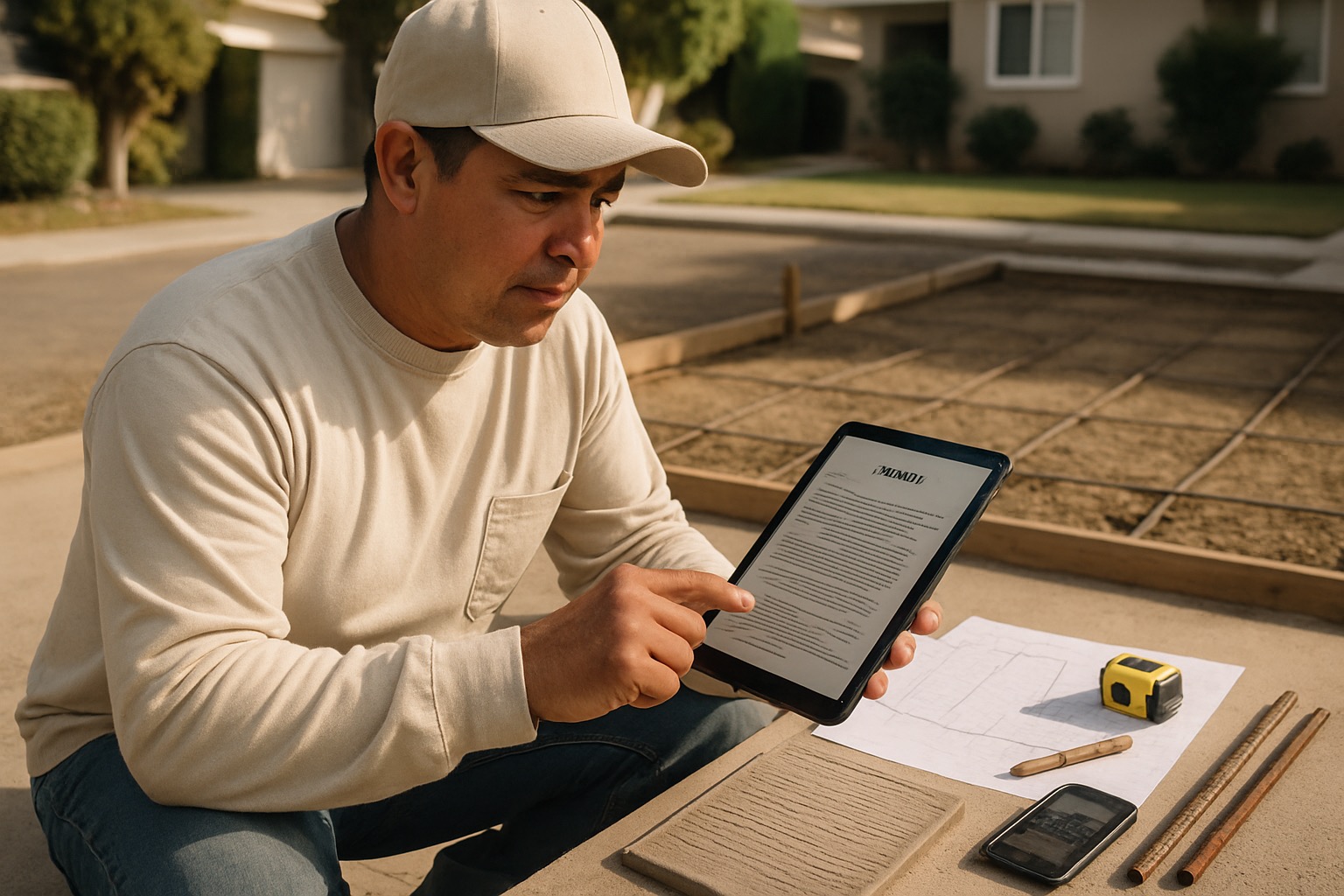
AI estimating software for concrete contractors in California should help a concrete contractor turn scattered job information into a cleaner bid draft: site photos, plan sheets, measurements, demo notes, formwork, reinforcement, mix assumptions, pump or chute access, finish requirements, exclusions, and follow-up reminders. It should not replace the contractor or send a proposal without review.
For Los Angeles concrete crews, the real value is speed with scope control. A good AI-assisted workflow helps organize the bid while the contractor still verifies quantities, constructability, labor, supplier pricing, local requirements, and the final number.
AI estimating software for concrete contractors in California: the short answer
AI estimating software is useful for California concrete contractors when it works like an estimating assistant, not a black-box price generator. It can help read drawings, organize photos, summarize voice notes, draft scope sections, create missing-information lists, and prepare a professional estimate for contractor review.
The contractor still decides the important items: thickness, subbase, forming, reinforcement, dowels, vapor barrier, saw cuts, slope, drainage, mix design, finish, access, equipment, disposal, inspection notes, risk allowances, markup, and final price.
Why this matters for Los Angeles concrete bids
Los Angeles concrete work is rarely just “yards times a unit price.” One job may be a tight-driveway replacement in a dense neighborhood. Another may be a patio or walkway on a hillside lot where staging, slope, drainage, and pump access affect production. A commercial repair may require phasing, tenant coordination, ADA slope review, night or weekend work, or clean separation between demolition, base prep, reinforcement, and placement.
California-specific context matters too. Depending on the project, concrete contractors may need to confirm CSLB licensing scope, local permits or inspections, stormwater or drainage expectations, right-of-way limits, accessibility requirements, seismic or structural plan notes, and Cal/OSHA safety considerations such as silica control. Estimating software should not decide those items on its own. It should keep them visible so the contractor can verify them before the bid goes out.
A practical AI-assisted concrete estimating workflow
Use this workflow before sending a California concrete estimate.
1. Capture the jobsite like an estimator
Take wide photos of the full work area, then close-ups of cracks, settling, edges, expansion joints, drain inlets, utility covers, steps, thresholds, retaining edges, landscaping, fences, overhead wires, driveway slope, street access, and demolition limits. If the site is tight or sloped, record a short video walking the path from truck access to the pour area.
Add a voice note while details are fresh. Example: “Los Angeles driveway replacement, demo existing cracked slab, customer wants broom finish, verify thickness at garage, include compacted base, rebar mat, saw cuts, haul-off, tight alley access, pump may be needed, city sidewalk apron excluded unless required.”
2. Break the scope into reviewable sections
A cleaner concrete bid usually needs separate sections for:
- Measurement basis: plan takeoff, field measurements, slab thickness, waste, and assumed cubic yards
- Demolition, saw cutting, excavation, haul-off, dump fees, and protection
- Subgrade prep, compaction, base rock, moisture barrier, termite coordination where relevant, and drainage notes
- Forms, stakes, edge details, steps, curbs, thickened edges, turndowns, and transitions
- Reinforcement: rebar size and spacing, welded wire mesh, dowels, chairs, embeds, anchor bolts, and structural notes
- Concrete mix, PSI, admixtures, color, finish, curing, joint layout, and sealer responsibility
- Access: chute, buggy, pump, street parking, traffic control, staging, washout, working hours, and cleanup
- Alternates, exclusions, allowances, inspection notes, and follow-up tasks
This structure helps the contractor review faster and helps the customer compare real scope instead of just comparing totals.
3. Flag California and Los Angeles questions early
Before pricing is locked, keep a short checklist in the estimate file:
- Does the work require a local permit, inspection, or right-of-way coordination?
- Are structural drawings, engineer notes, seismic details, or special inspection requirements involved?
- Does the slab, ramp, walkway, or commercial repair need accessibility slope confirmation?
- Is drainage being corrected, protected, or excluded?
- Are demo thickness, subbase condition, utilities, tree roots, or buried debris unknown until removal?
- Does the job need a pump, buggy path, traffic control, parking coordination, or restricted working hours?
- Are finish expectations clear: broom, hard trowel, exposed aggregate, color, stamped, sealer, or matching existing concrete?
AI can help draft this missing-information list. The concrete contractor decides what to verify with the customer, designer, supplier, inspector, or authority having jurisdiction.
4. Use alternates instead of burying choices
Many Los Angeles customers need options. A homeowner may want a base price for driveway replacement, an alternate for widening, and another for adding a new walkway. A property manager may need separate pricing for demolition, flatwork, curb repair, ramp work, and after-hours phasing.
Alternates protect the contractor from giving away scope. They also make follow-up easier because the next message can ask about a specific decision instead of sending a generic reminder.
5. Follow up with useful scope context
The estimate is not finished when the PDF is sent. A good follow-up can reference finish choice, pump access, drainage assumptions, permit questions, reinforcement, schedule window, and alternates. That feels more professional than “just checking in.”
AI can help draft follow-up reminders and keep open decisions organized, but the contractor should choose the timing, tone, and final message.
Common concrete estimating mistakes to avoid
Avoid these mistakes when building a California concrete bid:
- Pricing only by cubic yard without enough detail on demo, forms, base prep, reinforcement, access, finish, and cleanup
- Forgetting haul-off, saw cutting, disposal, washout, protection, or traffic and parking constraints
- Assuming subbase condition, slab thickness, buried utilities, roots, or drainage problems without a written allowance or exclusion
- Missing edge forms, thickened edges, steps, curbs, dowels, embeds, sleeves, anchor bolts, or joint layout
- Underpricing hillside access, tight alleys, long buggy routes, pump setup, restricted work hours, or tenant coordination
- Failing to confirm permits, inspections, accessibility, structural notes, or right-of-way questions when they apply
- Sending one lump sum when alternates would make customer decisions clearer
- Forgetting follow-up after the customer receives the estimate
A better concrete estimate makes the contractor’s judgment visible. It explains how the job will be built, what assumptions affect price, and what conditions could change the scope.
How Estimado AI helps
Estimado AI is being built as AI estimating software for contractors who want faster bids without giving up control of the final number. For concrete contractors, that means using blueprints, job photos, videos, and voice notes to help create structured estimate drafts with scope, quantities to review, assumptions, exclusions, alternates, and follow-up tasks.
Estimado is not a fully autonomous estimator. The contractor stays in the loop, reviews measurements, checks local questions, adjusts labor and pricing, edits the proposal, and decides when it is ready to send.
If your concrete company wants cleaner estimate drafts from photos, plans, voice notes, pour details, exclusions, and follow-up tasks, join the Estimado AI waitlist.
Next step
If your concrete estimates slow down because photos, plan notes, measurements, mix details, access constraints, exclusions, and follow-ups are scattered across your phone and inbox, tighten intake first. Cleaner job information makes AI-assisted estimating more useful and helps California concrete contractors respond faster without bidding blind.
FAQ
Can AI estimate concrete work from photos?
AI can help organize visible site conditions from photos, especially when photos are paired with dimensions, plan sheets, video, and contractor voice notes. It should flag missing measurements and hidden conditions for contractor review instead of guessing.
What should a California concrete estimate include?
A California concrete estimate should define measurement basis, demo, excavation, base prep, forms, reinforcement, mix assumptions, finish, curing, saw cuts, access, permit or inspection questions, exclusions, alternates, and cleanup.
Is concrete estimating software useful for experienced contractors?
Yes, when it reduces office work and keeps scope organized. Experienced concrete contractors can use AI to sort intake, draft bid sections, catch missing questions, prepare alternates, and follow up faster while still controlling the final estimate.
Does Estimado AI send concrete bids automatically?
No. Estimado is designed to help prepare structured estimate drafts. The contractor reviews, edits, approves, and decides when to send the final proposal.