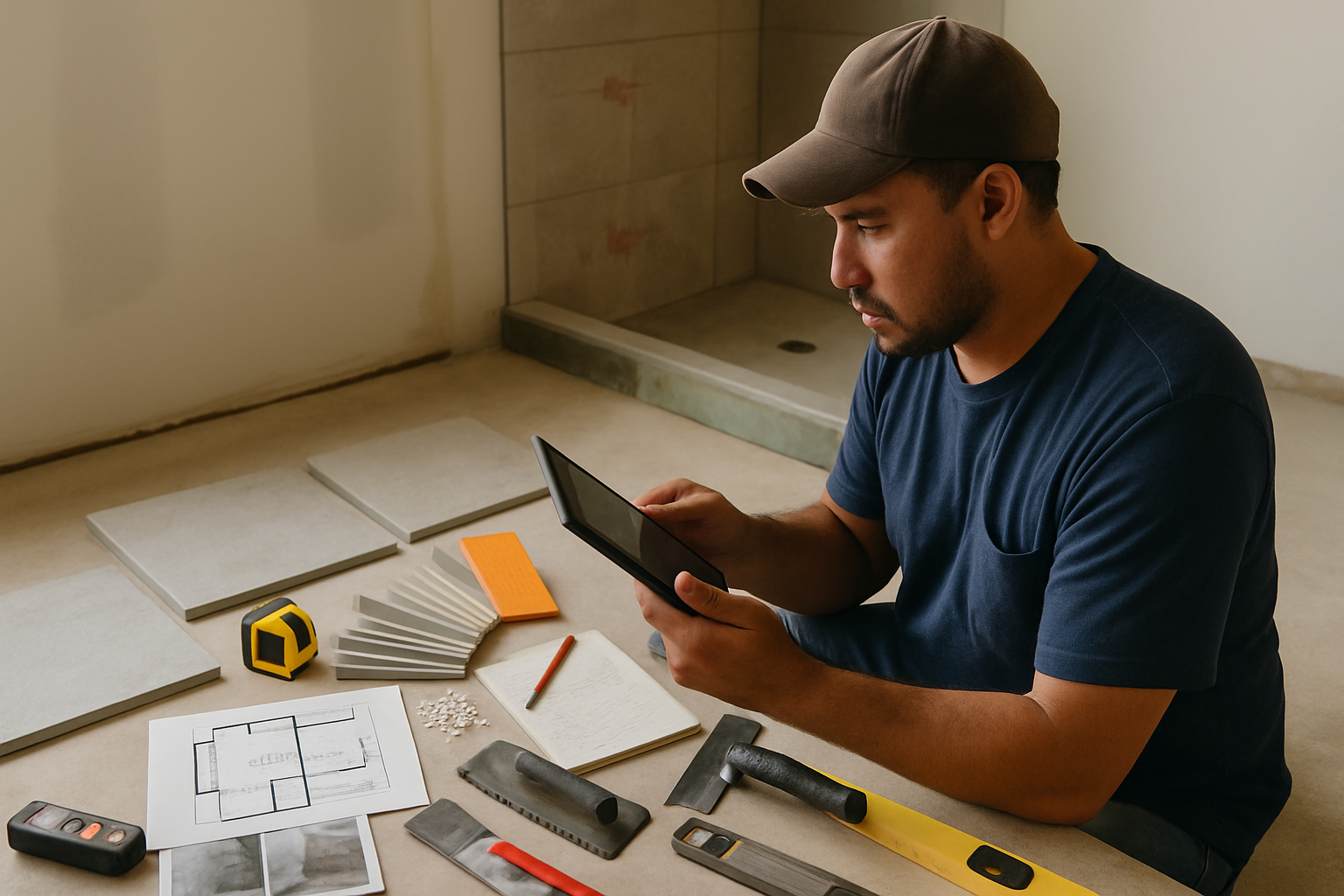
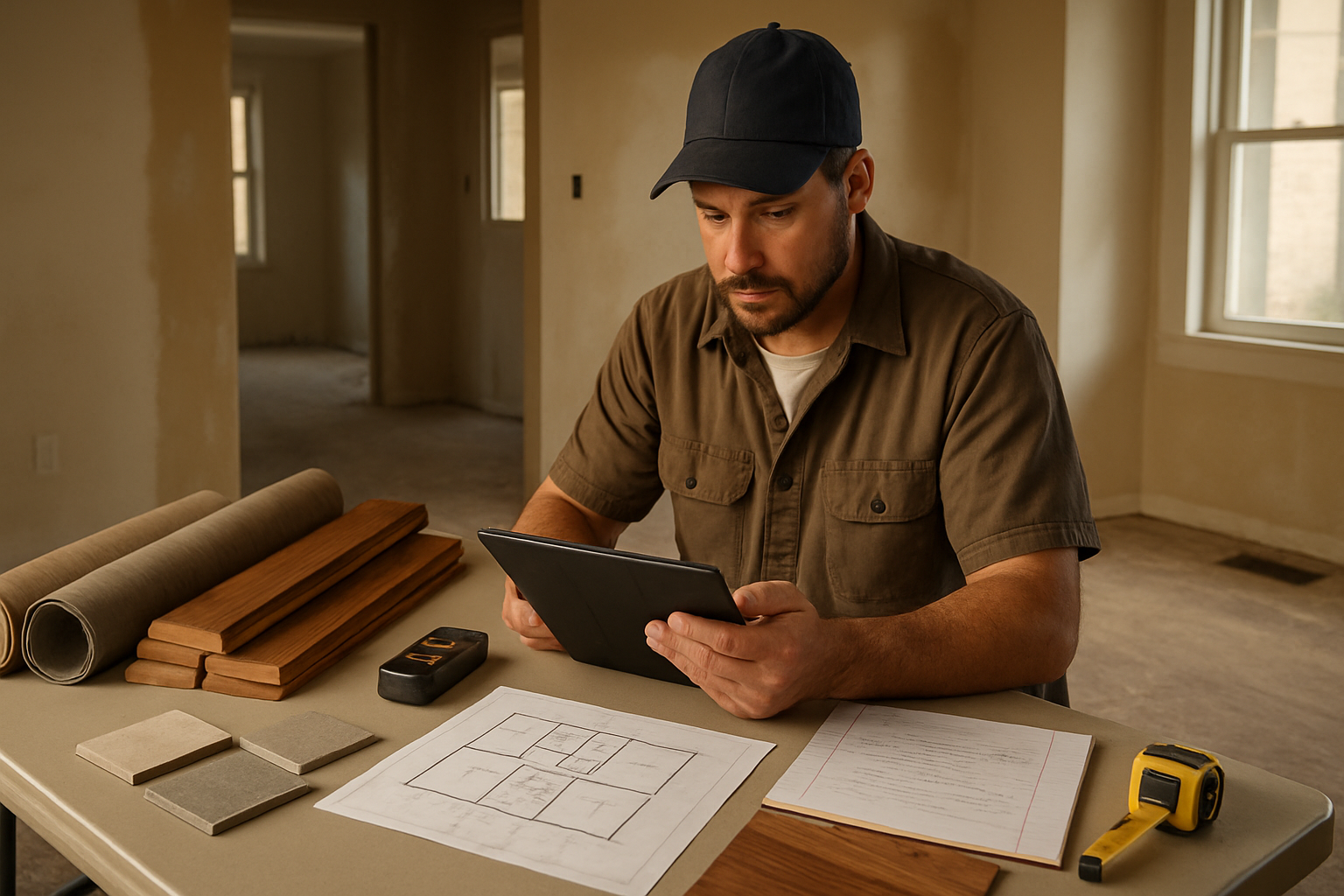
AI Estimating Software for Doors Contractors in Texas: Faster Houston Bids From Photos, Plans, and Voice Notes
Texas door contractors can use AI-assisted estimating to turn Houston job photos, plans, door schedules, field measurements, and voice notes into clearer bid drafts.

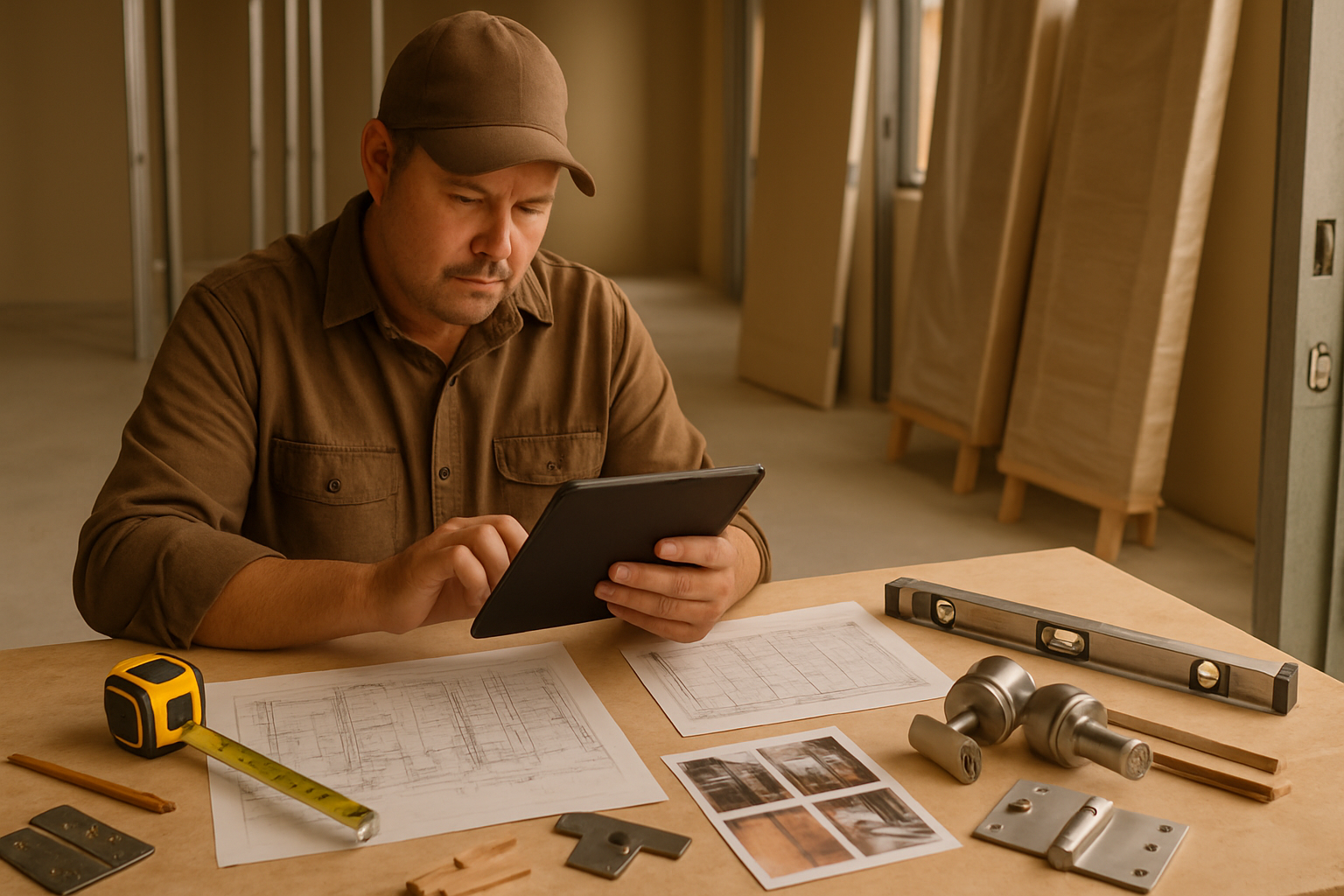
AI estimating software for doors contractors in Texas should help a door contractor turn plans, photos, door schedules, hardware notes, field measurements, and voice notes into a cleaner estimate draft faster. On a Houston tenant finish-out, multifamily repair, storefront replacement, or residential remodel, the bid can swing quickly based on opening size, slab type, frame condition, fire rating, hardware, access control, weather exposure, and who owns painting or finish work.
The point is not to let software guess the final price. The useful workflow is AI-assisted estimating: organize the scope, quantities, assumptions, exclusions, and follow-up questions so the contractor can review labor, material, markup, lead times, and risk before the proposal goes out.
The short answer for Texas door contractors
AI estimating software for doors contractors in Texas is most useful when it converts plans, photos, videos, voice notes, and door schedules into a structured bid draft. A good draft should separate interior doors, exterior doors, frames, storefront or commercial openings, hardware sets, thresholds, weatherstripping, fire-rated assemblies, access control coordination, prep work, disposal, finish responsibility, exclusions, and open questions.
Door estimating is detail-heavy. Two projects with the same number of openings can price differently if one has hollow-core residential slabs and the other has hollow metal frames, panic hardware, closers, fire labels, field-modified jambs, glass kits, access readers, and occupied-building work windows. AI helps when it catches and organizes those details before the contractor commits to a number.
Why door estimating is different in Texas and Houston
Texas door contractors often deal with a mix of fast growth, hot weather, commercial build-outs, multifamily maintenance, hurricane-aware exterior work, and coordination with several other trades. Houston is a good example: a door company may quote a medical office suite in the morning, replacement exterior doors at a rental property in the afternoon, and a punch list for a general contractor the next day.
Heat, humidity, and building use affect the estimate. Exterior doors, thresholds, sweeps, weatherstripping, metal frames, wood doors, hollow metal assemblies, and storefront systems may need different assumptions than interior paint-grade doors. A proposal should say whether the bid includes finish, sealant, patching, disposal, security hardware, access control coordination, or after-hours work.
Permitting and code scope also matter. A simple interior slab swap may be very different from changing an exterior opening, working on a rated corridor door, altering egress, modifying panic hardware, touching accessibility clearances, or coordinating a commercial finish-out. Houston-area contractors should verify the local authority having jurisdiction, building owner requirements, and any fire, accessibility, windstorm, or energy-related expectations before pricing the final scope.
Texas coastal and Gulf-adjacent projects can also raise wind, water intrusion, and product-selection questions. Even when the job is not directly on the coast, exterior opening details should be clear: door type, frame material, flashing responsibility, threshold condition, sealant, sweep, hardware finish, and whether existing damage is included.
A practical AI-assisted door estimating workflow
Use AI estimating software as bid preparation, not as a blind price button. A practical Houston workflow looks like this:
1. Capture every opening. Take photos of each door, frame, threshold, hinge side, strike side, closer, lockset, glass lite, damaged jamb, rough opening, and access path. Record a short voice note about what the customer, GC, property manager, or architect requested.
2. Upload plans, door schedules, photos, and notes together. Plans may show counts and labels, while field photos show actual conditions: rusted frames, out-of-square openings, damaged slabs, missing backing, finished floors, ceiling conflicts, security wiring, and occupied-building access.
3. Separate scope before pricing. Break the estimate into door slabs, frames, hinges, locksets, closers, panic hardware, thresholds, weatherstripping, glass kits, fire labels, storefront work, disposal, finish, patching, protection, travel, and return trips.
4. Flag code and coordination questions. Mark any item involving egress, fire-rated assemblies, accessibility clearances, exterior openings, access control, electric strikes, alarms, or structural changes for contractor review before the proposal is sent.
5. Review labor like a contractor. The software can organize the draft, but the door contractor still decides productivity, crew size, specialty hardware time, trip charges, lead-time risk, markup, and final pricing.
6. Follow up with a cleaner proposal. The final estimate should make it obvious what is included, what is excluded, which selections are pending, how change orders are handled, and when the bid expires.
What to include in a Texas door estimate
A strong door estimate is not just a count of openings. It should be specific enough that the customer knows what they are buying and the contractor is not absorbing hidden work later. Include:
- Door count by area, opening number, room, floor, suite, unit, or plan sheet
- Door type, size, material, swing, handing, frame type, finish grade, and rating assumptions
- Hardware sets, hinges, closers, locksets, panic hardware, thresholds, sweeps, seals, lites, and stops
- Existing condition notes: damaged frames, uneven floors, out-of-square openings, rust, rot, missing backing, or security wiring
- Prep, patching, finish, caulk, disposal, protection, access, staging, parking, elevator use, and after-hours work
- Exclusions, allowances, lead-time assumptions, owner-supplied items, change-order rules, payment terms, and bid expiration
For commercial work, avoid burying hardware and code assumptions in a lump sum. If access control, fire-rated doors, electric strikes, storefront glass, or alarm coordination are by others, say it clearly.
Common mistakes door contractors can avoid
The first mistake is bidding only from the door count. Counts matter, but door type, frame condition, hardware, fire rating, handing, finish, access, lead time, and return trips can change the real cost.
The second mistake is treating field photos and plans as separate files. A door schedule might show the intended scope, while photos reveal damaged frames, misaligned openings, finished floors, or existing hardware that needs extra labor.
The third mistake is leaving finish and patching vague. Texas remodel and commercial jobs often involve drywall, paint, flooring, security, storefront, electrical, and GC coordination. The estimate should state who handles each item.
The fourth mistake is sending a fast but unclear bid. Speed helps only when the proposal is reviewed, scoped tightly, and easy for the customer or GC to approve.
How Estimado AI helps
Estimado AI is built for contractors who want estimating help while keeping the contractor in control. Door contractors can bring in blueprints, job photos, videos, door schedules, and voice notes, then review an organized estimate draft with scope, quantities, assumptions, exclusions, and customer-ready proposal language.
For Texas door contractors, that means a faster path from a Houston walkthrough or plan set to a bid that can be checked before it goes out. Estimado acts like a junior estimator that prepares the draft and highlights missing information, while the contractor remains the senior estimator on the job.
If your door company wants a cleaner path from photos, plans, door schedules, and field notes to reviewed estimates, join the Estimado AI waitlist and see how AI-assisted estimating can support your bid process.
For related trade workflows, see the Estimado blog and the Texas guides for flooring contractors and tile contractors.
FAQ
Can AI estimating software estimate door jobs from photos?
AI-assisted workflows can use photos to organize openings, frame conditions, visible hardware, access limits, damaged areas, and field notes. Contractors should still verify measurements, handing, ratings, hardware selections, code requirements, and final quantities before sending a bid.
What should Texas door contractors double-check before bidding?
Double-check door sizes, swing and handing, frame type, fire ratings, hardware sets, thresholds, weatherstripping, finish responsibility, exterior exposure, access control coordination, patching, disposal, lead times, exclusions, and local permit or code requirements.
Is AI estimating software a replacement for a door estimator?
No. The best use is AI-assisted estimating. Software can prepare and structure the bid draft, but the contractor must review labor, material, markup, scope, exclusions, code questions, and final price.
How can faster door estimates help a small Houston contractor?
Faster estimates can help a contractor respond while the lead is still active, reduce after-hours office work, and send a more professional proposal. The speed only helps when the contractor still reviews the details before sending.