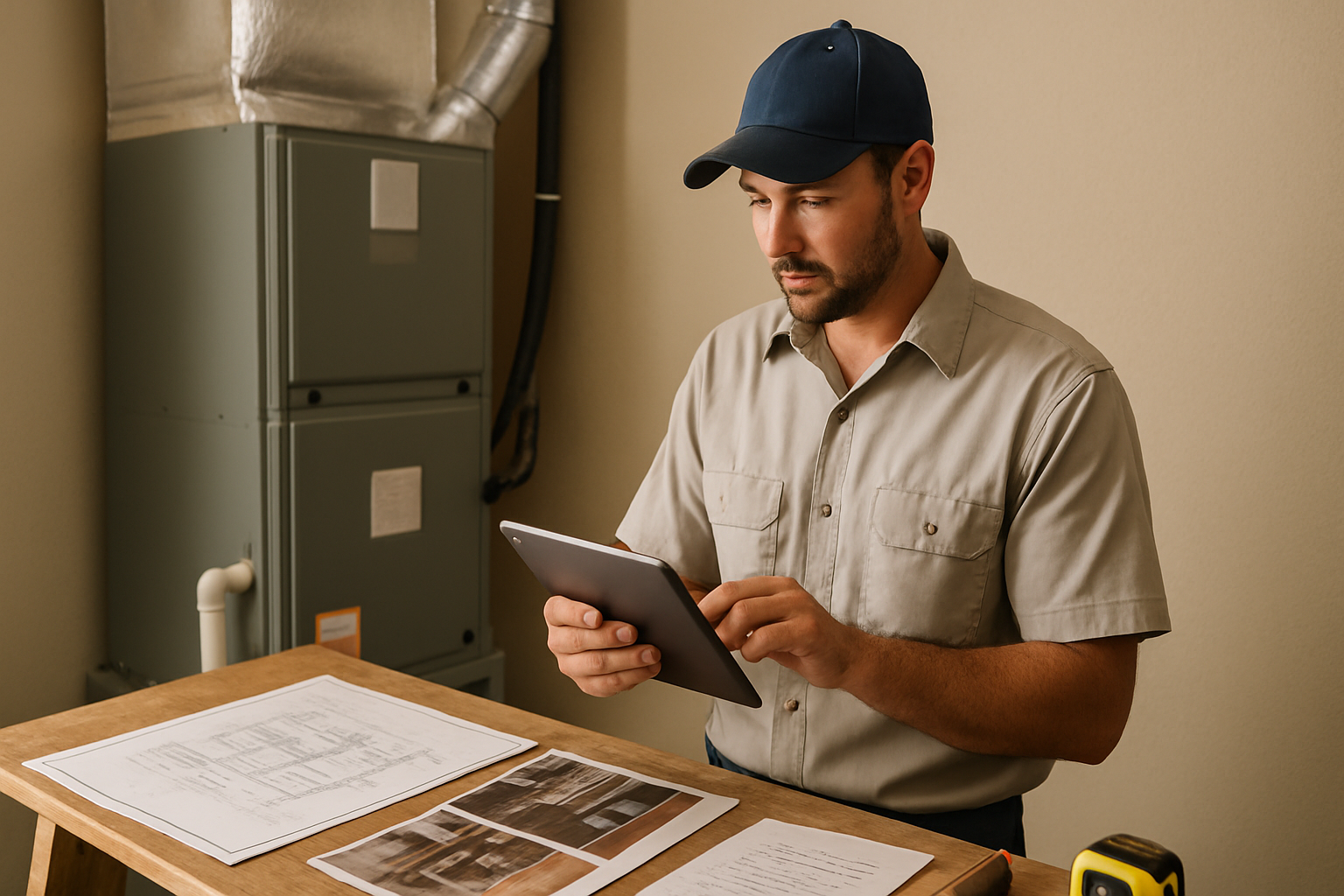
AI Estimating Software for Electrical Contractors in Florida: Faster Jacksonville Bids From Plans, Photos, and Voice Notes
A practical Florida electrical estimating workflow for turning plan sheets, panel photos, walkthrough videos, and field notes into faster, clearer bids while keeping contractor judgment in control.

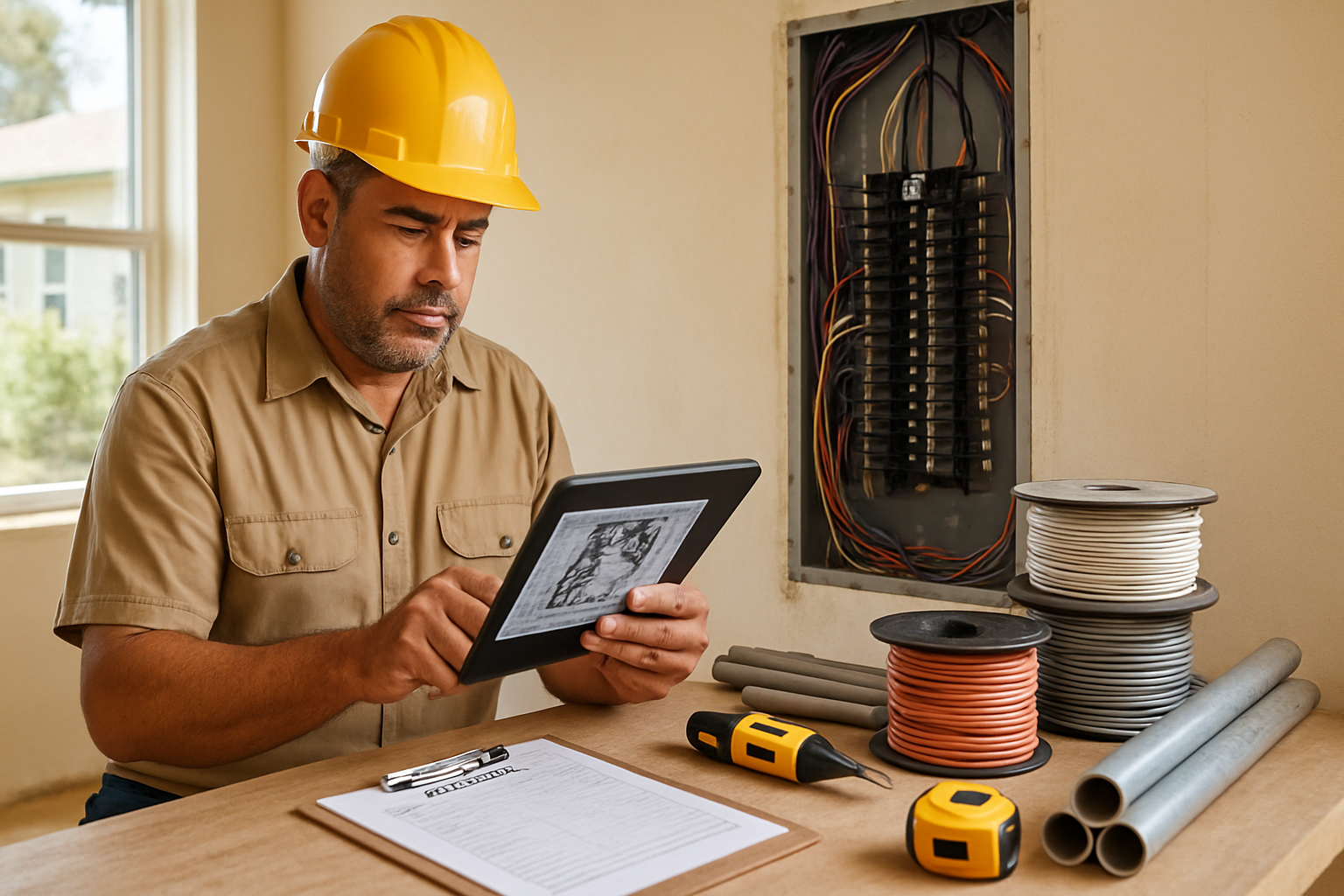
AI estimating software for electrical contractors in Florida should help you turn scattered job information into a clear, reviewable bid faster: plan sheets, panel photos, fixture schedules, field measurements, walkthrough videos, customer messages, and voice notes from the truck. For Jacksonville electrical contractors, the point is not to let software guess a final number. The point is to organize scope, expose missing details, build cleaner line items, and follow up before the customer or GC moves on.
Electrical estimating gets risky when the bid is rushed. A small service upgrade, tenant improvement, remodel, EV charger, or new-build rough-in can hide work around panel capacity, trenching, fixture counts, device locations, attic access, working hours, permits, inspections, and coordination with drywall, framing, HVAC, or cabinets. A good AI-assisted workflow helps keep those assumptions visible before the proposal goes out.
Direct answer: what AI estimating software for electrical contractors in Florida should do
AI estimating software for electrical contractors in Florida should help with four practical jobs:
1. Collect the job inputs: blueprints, lighting schedules, panel photos, videos, voice notes, customer messages, takeoff notes, and site measurements.
2. Draft the scope: included work, exclusions, allowances, unknowns, and clarifying questions that need answers before pricing.
3. Organize quantities and line items: devices, fixtures, circuits, panels, breakers, conduit, wiring, trenching, equipment, labor phases, permits, testing, and cleanup.
4. Prepare a customer-ready estimate: a professional bid the electrical contractor reviews, edits, approves, and sends.
The contractor still owns the final price. Electrical work has too much code, site, and crew judgment for blind automation. The value is faster organization, fewer missed assumptions, and a cleaner handoff from lead to proposal.
Why this matters for Florida electrical contractors
Florida electrical contractors work across remodels, additions, coastal properties, storm-related repairs, commercial tenant improvements, multifamily projects, and fast-turn service opportunities. In Jacksonville, a lead might start with a homeowner asking for panel work, a GC sending partial drawings, or a property manager texting photos from a unit turn. If those inputs stay scattered across texts, email, plan sheets, and memory, the estimate gets slower and easier to under-scope.
Florida jobs can also bring conditions that should be called out early: permitting and inspections, outdoor equipment exposure, corrosion concerns near coastal areas, attic heat that affects production time, trenching assumptions, access limits in condos or commercial buildings, and coordination with other trades. Even when the pricing is right, vague scope can create callbacks, change-order fights, or unpaid extra trips.
A tighter estimating workflow helps you:
- respond while the customer is still actively comparing contractors;
- separate base scope from alternates, exclusions, and allowances;
- document assumptions around permits, inspections, access, and working hours;
- avoid giving away fixtures, breakers, disconnects, trenching, testing, or return visits;
- build a follow-up message that references the actual scope, not just the price.
For more contractor-focused estimating topics, Estimado keeps building practical guides on the Estimado AI blog. The larger goal is simple: estimating should become a repeatable workflow, not a late-night scramble.
A practical Jacksonville electrical bid workflow
Use this workflow when an electrical lead comes in from a homeowner, GC, property manager, remodeler, or commercial customer.
1. Capture the job before pricing
Start by gathering the raw inputs in one place:
- jobsite address, access notes, parking, working hours, and contact details;
- plan sheets, reflected ceiling plans, electrical notes, riser diagrams, and schedules;
- photos of panels, meter locations, attic/crawl access, equipment, existing devices, and problem areas;
- short video walkthroughs for remodels, service upgrades, and multi-room scopes;
- voice notes explaining what the customer asked for and what you noticed onsite;
- measurements, fixture counts, owner-supplied equipment assumptions, and requested alternates.
A useful field note can be plain: “Jacksonville garage EV charger, panel in laundry, customer wants 60A circuit, attic access above garage, need confirm panel capacity and permit, include wall penetration and cleanup, exclude drywall repair.” That gives the estimating workflow a real starting point.
2. Break the scope into estimate buckets
Do not price one vague line called “electrical work.” Break the bid into buckets your crew and customer can understand:
- mobilization and protection: setup, access, safety, dust control, and cleanup;
- demolition or removal: disconnects, device removal, old fixtures, obsolete equipment;
- rough-in: boxes, conduit, wiring, home runs, branch circuits, low-voltage coordination if included;
- panel and service work: breakers, labeling, load notes, disconnects, grounding, and service coordination;
- fixtures and devices: lights, switches, receptacles, fans, controls, dimmers, GFCI/AFCI assumptions;
- special systems: EV chargers, generators, transfer switches, exterior power, signage, equipment hookups;
- testing and inspection: permit assumptions, inspection time, corrections, and energizing steps;
- exclusions: drywall, paint, concrete, trench backfill, utility fees, owner-supplied material problems, or after-hours work.
This structure makes the estimate easier to review and protects against accidental free work.
3. Flag Florida and Jacksonville risk items
Before sending the proposal, check the assumptions that commonly change electrical cost:
- Is a permit required, and are permit fees included or excluded?
- Does the job need utility coordination, service disconnect, or inspection scheduling?
- Are exterior devices, disconnects, or equipment exposed to coastal weather or corrosion risk?
- Will attic heat, crawl access, concrete block, slab, trenching, or finished walls slow production?
- Are fixtures, fans, chargers, or equipment owner-supplied, and who handles missing parts?
- Does the building require after-hours work, tenant coordination, elevator access, or shutdown notices?
- Are drywall, painting, stucco, concrete patching, or landscape restoration handled by others?
Put these notes in the bid. A clear exclusion today is better than an argument after the crew is onsite.
4. Use AI to create the first draft, not the final judgment
AI can be useful when it turns messy inputs into a structured starting point. For example, it can summarize plan notes, list visible panel details from photos, turn a voice note into scope language, draft clarifying questions, and organize line items by phase. That saves time compared with staring at a blank estimate after a full day in the field.
The electrical contractor still reviews every line. You decide labor hours, crew size, material quality, code approach, markup, schedule risk, and whether the job needs an onsite verification before a firm price. The software should help you see the scope, not hide the judgment.
5. Send a clean proposal and follow up
A professional electrical proposal should answer three questions fast:
1. What work is included?
2. What is excluded or still needs confirmation?
3. What happens next if the customer wants to move forward?
After sending, follow up with a scope-specific message: “I sent the estimate for the Jacksonville EV charger circuit. It includes the dedicated circuit, breaker, wiring route discussed, permit assumption, and final testing. Drywall repair and panel upgrade are excluded unless inspection or load review requires a change. Want me to hold a spot for next week?”
That kind of follow-up is easier when the estimate is organized from the start.
Common mistakes in electrical estimates
Bidding from photos without confirming panel and access details. Photos are helpful, but they may not show panel capacity, attic access, wall conditions, grounding, existing violations, or utility coordination needs.
Leaving permit and inspection assumptions vague. If permits, inspection scheduling, corrections, or utility fees are excluded, say so clearly.
Forgetting patching and restoration. Electrical work often touches drywall, stucco, concrete, landscaping, cabinets, or paint. State who owns those repairs.
Treating owner-supplied equipment as simple. Fixtures, fans, chargers, and specialty equipment can arrive missing parts or with installation requirements that change labor.
Sending a lump-sum scope with no alternates. If the customer asked for base work plus optional fixtures, chargers, or upgrades, separate them so they can say yes faster.
How Estimado AI helps electrical contractors move faster
Estimado AI is being built as AI estimating software for contractors who want estimating help without giving up control of the final bid. Electrical contractors can bring blueprints, job photos, videos, voice notes, and written scope notes into the workflow. Estimado helps organize the project, draft scope language, identify missing information, and prepare estimate structure for contractor review.
The important part is review. Estimado is not meant to replace the electrician’s judgment or send proposals automatically. Think of it like a junior estimator that gets the first draft organized so you can make the final pricing decisions faster.
If you want to turn electrical plans, panel photos, walkthrough videos, and field notes into estimates faster while keeping final approval in your hands, join the Estimado AI waitlist.
Next step
If your electrical estimates are getting stuck in texts, photos, plan sheets, and late-night notes, start by standardizing the workflow above. The faster you can turn job information into a clean scope, the faster you can respond, protect margin, and move the customer to a decision.
FAQ
What is the best AI estimating software for electrical contractors in Florida?
The best fit is software that understands contractor inputs: plans, photos, videos, field notes, scope assumptions, material lists, labor review, exclusions, and customer-ready proposals. For Florida electrical contractors, it should also make it easy to document permits, inspections, access limits, exterior exposure, and owner-supplied equipment assumptions.
Can AI estimate electrical jobs from photos?
AI can help interpret photos and organize an estimate draft, but photos are not enough for every electrical bid. Panel capacity, code requirements, access conditions, measurements, utility coordination, and inspection needs may still require contractor review or an onsite check.
Should electrical contractors let AI set labor prices?
No. AI can help structure the estimate, but labor pricing should stay under contractor control. Crew speed, attic access, finished surfaces, shutdown requirements, code approach, drive time, and warranty risk vary too much for blind pricing.
How can Jacksonville electricians make estimates faster?
Use a repeatable workflow: collect plans, panel photos, videos, and voice notes; divide the scope into rough-in, service work, devices, equipment, testing, permits, and exclusions; then send a clear proposal with follow-up. AI estimating software can speed up the first draft and reduce blank-page estimating time.
Does Estimado AI send electrical estimates automatically?
No. Estimado is designed around contractor review. The system helps create the estimate draft, but the contractor reviews, edits, approves, and sends the final proposal.