AI Estimating Software for Painting Contractors in Texas: Faster Houston Bids From Photos, Plans, and Voice Notes
A practical Texas painting contractor workflow for using AI to turn photos, plans, and voice notes into tighter bids, cleaner scopes, and faster follow-up.


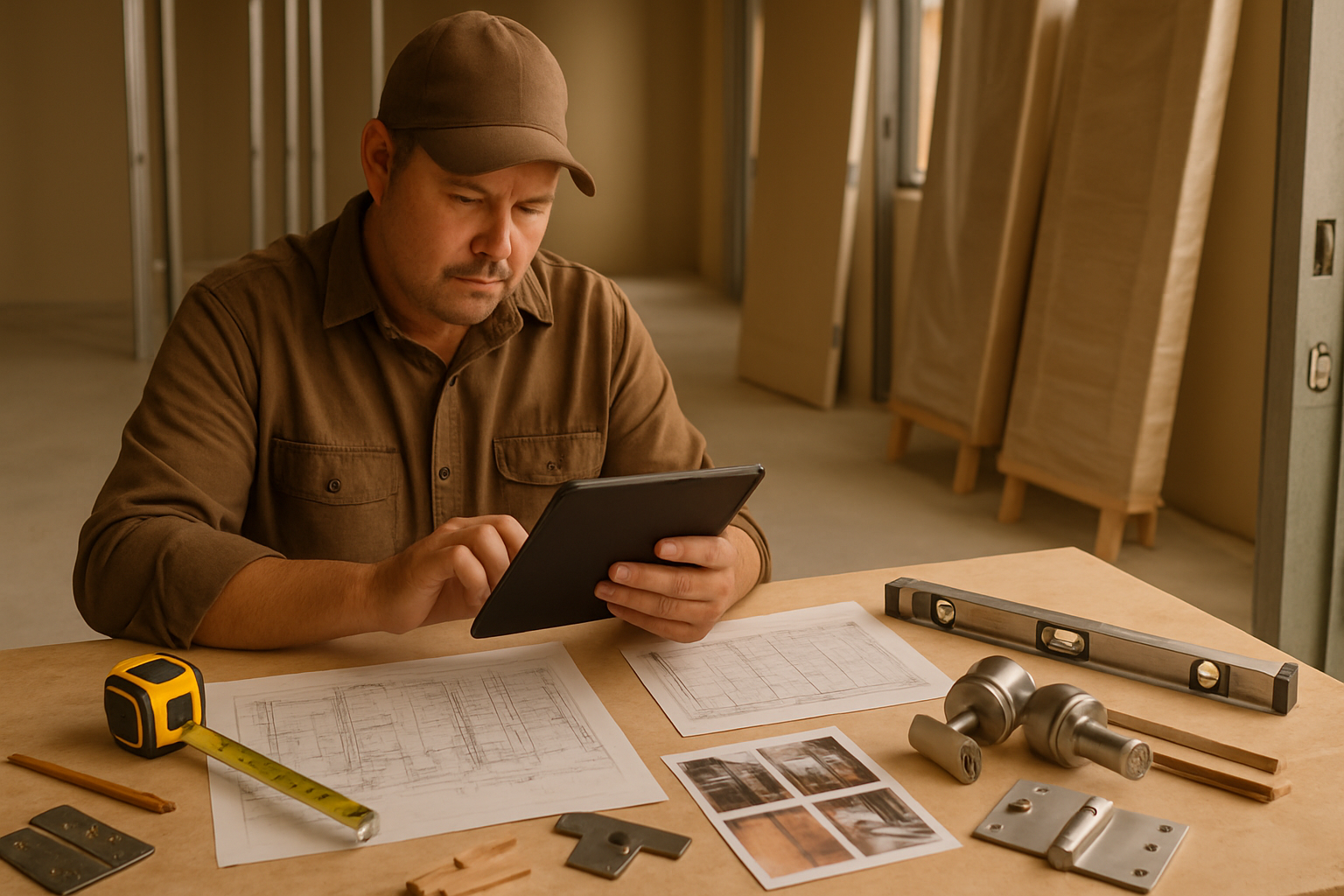
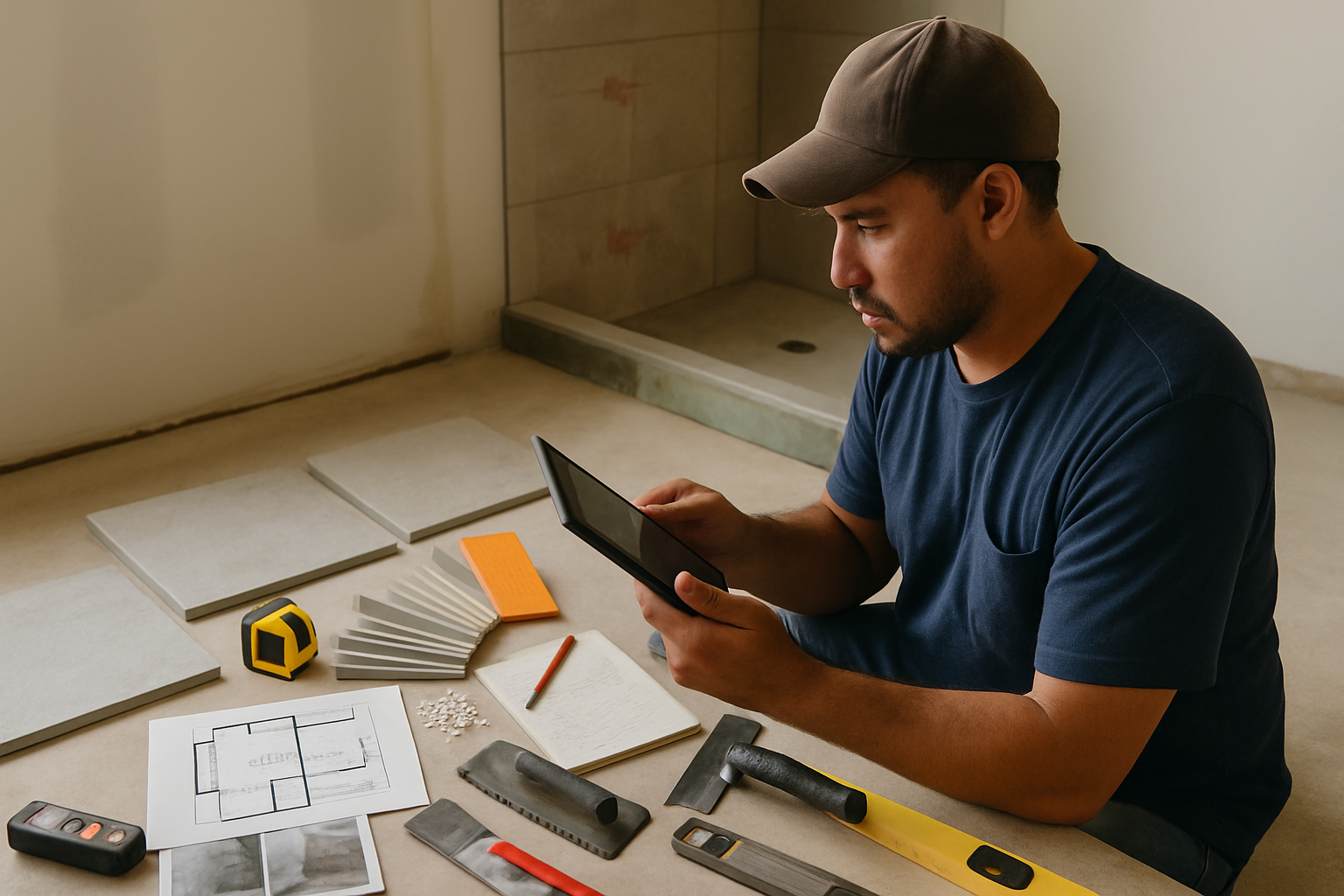
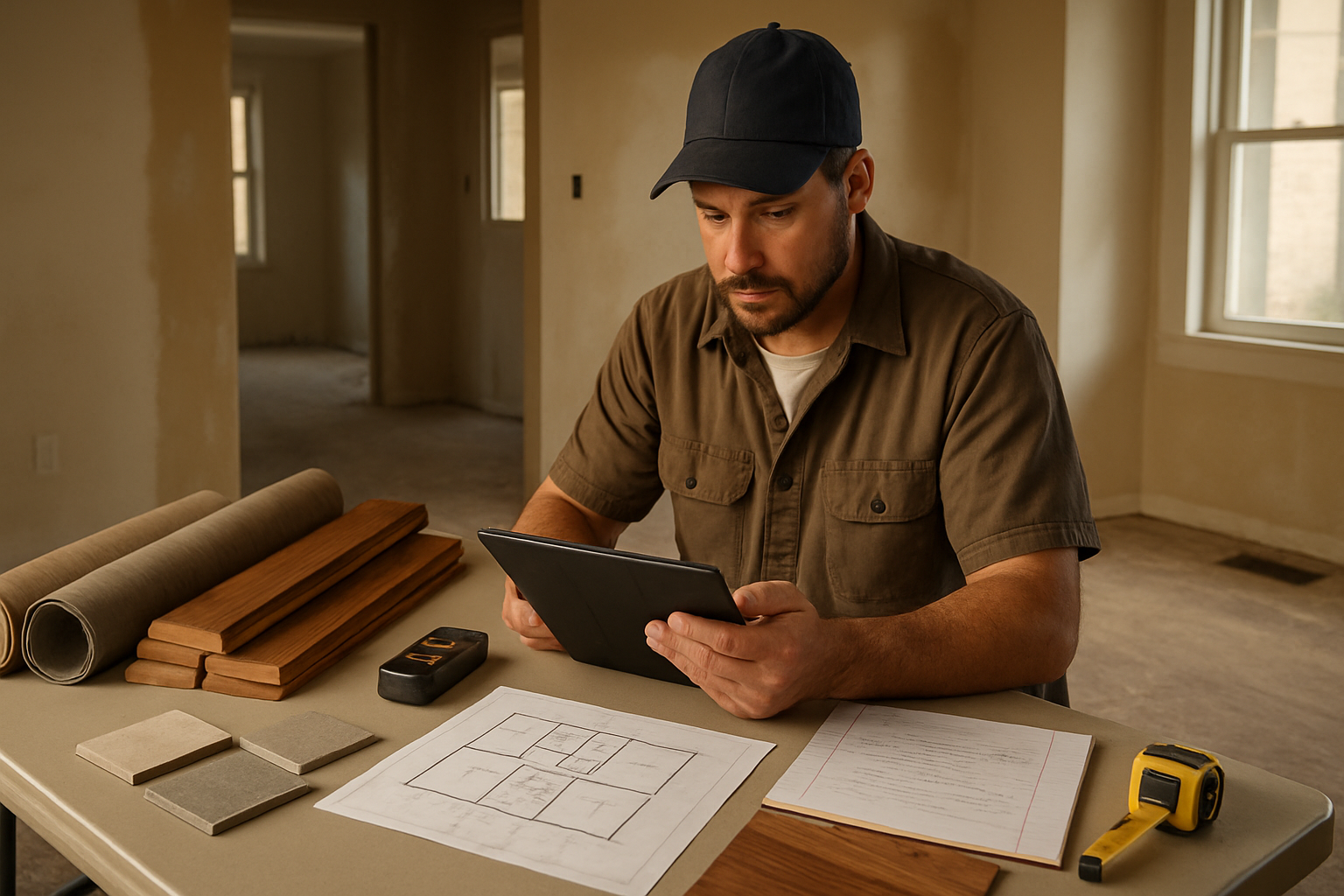
AI estimating software for painting contractors in Texas is useful when it helps a painter do three things better: capture the real scope, turn job information into a professional bid faster, and follow up while the lead is still warm. For Houston and Texas painting contractors, the point is not to let software guess the job. The point is to use photos, plans, voice notes, and a repeatable review process so fewer details fall through the cracks.
Texas painting work can move quickly. A homeowner may want an exterior repaint before listing a house. A property manager may need three units turned in a week. A builder may send plans and expect a clean number back before the next subcontractor call. If the estimate waits until nighttime paperwork, the contractor loses speed and sometimes loses the job.
Key takeaway: AI estimating software for painting contractors in Texas should tighten the scope, not just make a faster number
A good painting estimate is not only gallons and labor. It explains what surfaces are included, what prep is included, what is excluded, how many coats are assumed, what substrate issues may change the price, and when the customer needs to make a color or product decision.
For a Texas painting contractor, an AI-assisted workflow should help organize:
- Interior rooms, ceilings, doors, trim, cabinets, and accent walls
- Exterior siding, stucco, brick, fascia, soffit, shutters, railings, and doors
- Prep items like washing, scraping, caulking, patching, sanding, masking, and priming
- Access issues around two-story elevations, tight side yards, landscaping, pools, and patios
- Product assumptions for heat, sun exposure, humidity, and manufacturer specs
- Clarifying questions before a bid is sent
- Follow-up reminders after the proposal goes out
The contractor still owns the final judgment. Software can organize the estimate draft, but the painter decides the labor, risk, schedule, coating system, and final customer price.
Why this matters for Houston and Texas painting contractors
Houston painters deal with fast lead cycles, hot weather, humidity, storm seasons, and a wide mix of building surfaces. One week may include a brick-and-siding exterior in Katy, a rental repaint near the Heights, and a commercial tenant improvement in Sugar Land. Each job has different prep, access, protection, and schedule pressure.
That variety is where estimates get messy. A contractor may take photos on site, talk through the job with the owner, notice damaged fascia, promise to include two doors, and then write the estimate later from memory. The missing details are usually not dramatic. They are small items that hurt margin: forgotten trim, extra masking, unpriced repairs, wrong sheen, cabinet prep, or a follow-up that never happens.
Texas-specific estimating also needs room for local judgment. Painting is not licensed statewide like some trades, but contractors still need to check local rules, HOA requirements, commercial project conditions, safety expectations, and federal lead-safe rules for pre-1978 homes. In Houston, exterior work can also be affected by weather windows, surface moisture, and access around dense neighborhoods or multi-story homes.
That does not mean every bid needs to be complicated. It means the estimate workflow needs a checklist that catches the same categories every time.
A practical AI-assisted painting estimate workflow
Use this workflow for a residential repaint, small commercial repaint, or property manager turnover job.
1. Capture the job while standing in front of it
Before leaving the site, collect the raw information the estimate depends on:
- Wide photos of each elevation or room
- Close photos of damage, peeling, staining, cracks, rust, mildew, or substrate repairs
- Photos of doors, trim, cabinets, railings, fascia, soffit, and other add-ons
- A short voice note explaining what the customer asked for
- Measurements, plan sheets, or room counts when available
- Access notes: ladder work, tight areas, furniture, landscaping, parking, pets, or tenant schedule
A voice note might say: “Exterior repaint, two-story front, siding and trim only, front door included, garage door excluded, pressure wash, caulk open joints, spot prime peeling areas, customer wants premium exterior satin, color not selected yet.” That note is more useful than trying to remember the conversation later.
2. Separate surface scope from prep scope
Many painting bids lose money because surface quantity and prep effort get mixed together. Keep them separate.
Surface scope answers: What are we painting? Prep scope answers: What has to happen before paint goes on?
For example, a 2,000-square-foot interior repaint with clean walls is a different job than the same square footage with nicotine staining, drywall patches, high ceilings, heavy furniture, and trim repairs. AI estimating software should help flag these categories so the estimate reads like a real painter wrote it, not like a generic square-foot price.
3. Build the bid in line items the customer can understand
A professional painting proposal should be clear without exposing every internal labor assumption. Useful line items include:
- Mobilization and site protection
- Surface cleaning or pressure washing
- Repairs and prep work
- Primer where needed
- Main coating scope by room, surface, or elevation
- Doors, trim, cabinets, railings, or specialty surfaces
- Materials, labor, disposal, and cleanup
- Exclusions and allowances
This makes the bid easier to defend. If a Houston customer compares two proposals, the clearer scope often wins trust even when it is not the cheapest number.
4. Review risk before sending
Before the final proposal goes out, pause for a short risk check:
- Are measurements verified or clearly marked as allowances?
- Are colors, sheen, and product line confirmed?
- Is lead-safe work a possibility on older homes?
- Are substrate repairs included or excluded?
- Are weather delays addressed for exterior work?
- Is moving furniture included or excluded?
- Are tall access areas priced correctly?
- Is touch-up or warranty language clear?
This is where the contractor stays in control. Estimado AI is designed to help draft and organize, but the contractor reviews every assumption before sending the estimate.
5. Follow up with the same discipline as estimating
A painting bid is not finished when the PDF is sent. The follow-up should remind the customer what is included and make it easy to say yes, ask a question, or revise the scope.
A simple follow-up sequence might be:
1. Same day: “I sent the proposal and included the prep items we discussed.”
2. Two days later: “Do you want me to adjust the scope before we lock in a start window?”
3. One week later: “I can still hold the pricing assumptions if we confirm this week.”
The point is not pressure. It is responsiveness. Contractors who estimate quickly and follow up clearly look more organized.
Common mistakes that make painting bids weaker
Using one square-foot number for every job
Square-foot pricing can be a starting point, but it does not see prep, access, substrate condition, paint system, schedule compression, or customer expectations. Use it as a check, not the whole estimate.
Forgetting exclusions
If cabinet interiors, closets, garage floors, wallpaper removal, rotten wood, stucco repair, or color changes are not included, say so. A clear exclusion is better than a dispute after the job starts.
Sending a pretty proposal with weak scope
Professional formatting helps, but formatting cannot fix a vague scope. The customer should know exactly what surfaces, prep, coats, and cleanup are included.
Letting follow-up depend on memory
Busy painting contractors lose opportunities because the next jobsite takes over. A follow-up workflow helps keep open bids from disappearing.
How Estimado AI helps painting contractors work faster
Estimado AI is built as AI estimating software for contractors who want a faster way to turn job photos, blueprints, videos, and voice notes into professional estimate drafts. For painting contractors, that means the system can help organize the job information, surface scope, prep assumptions, material categories, labor review, and customer-ready proposal structure.
Estimado is not meant to replace the painter’s judgment. It works more like a junior estimator at the contractor’s side. The contractor reviews the scope, changes the assumptions, confirms the labor, and approves the final bid before anything goes to the customer.
For more contractor estimating workflows, visit the Estimado blog. If you want a faster estimating workflow that still keeps you in control of the final number, join the Estimado AI waitlist.
Next step
Texas painting contractors do not need more paperwork. They need a repeatable path from lead capture to clean proposal to follow-up. Start by standardizing the photos, voice notes, scope categories, review checklist, and follow-up steps on your next Houston painting bid. Then use software to make that process faster without giving up control of the final number.
FAQ
What should painting contractors in Texas include in an AI-assisted estimate?
Include surface measurements, substrate condition, prep work, primer and coating system, number of coats, access needs, protection, cleanup, exclusions, schedule assumptions, and any open questions the contractor must verify before sending the final bid.
Can AI estimating software price a Houston painting job from photos alone?
Photos help document condition, access, surfaces, trim, damage, and prep needs, but a contractor should still verify measurements, coating specs, lead-paint risk on older homes, and any customer requirements before approving the estimate.
Why does follow-up matter after sending a painting bid?
Many painting leads go quiet because the customer is comparing scopes, schedules, and trust. A clear follow-up reminds them what is included, answers objections, and keeps the bid active without forcing the contractor to manage every reminder manually.
Is Estimado AI meant to replace a painting estimator?
No. Estimado AI is designed to act like a junior estimator at the contractor’s side. It helps organize the draft estimate, but the contractor reviews the scope, pricing, labor, exclusions, and final proposal before sending anything.