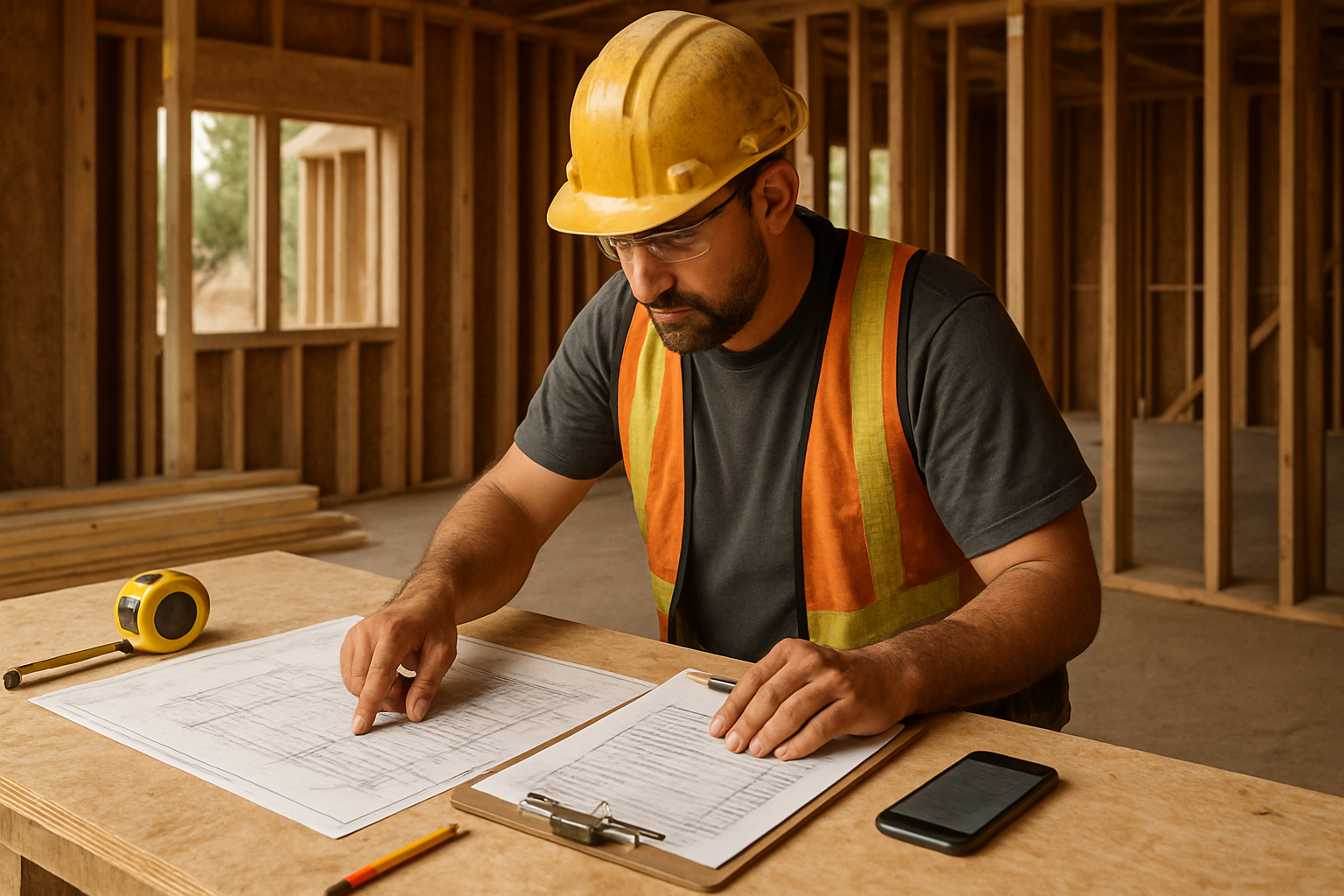
AI Estimating Software for Virginia Contractors: Faster Bids for Virginia Beach, Coastal, and Remodel Jobs
Virginia contractors need estimates that move quickly across Virginia Beach coastal jobs, Richmond remodels, Northern Virginia service work, and rural projects. Here is how AI estimating software can tighten the workflow while keeping the contractor in control.

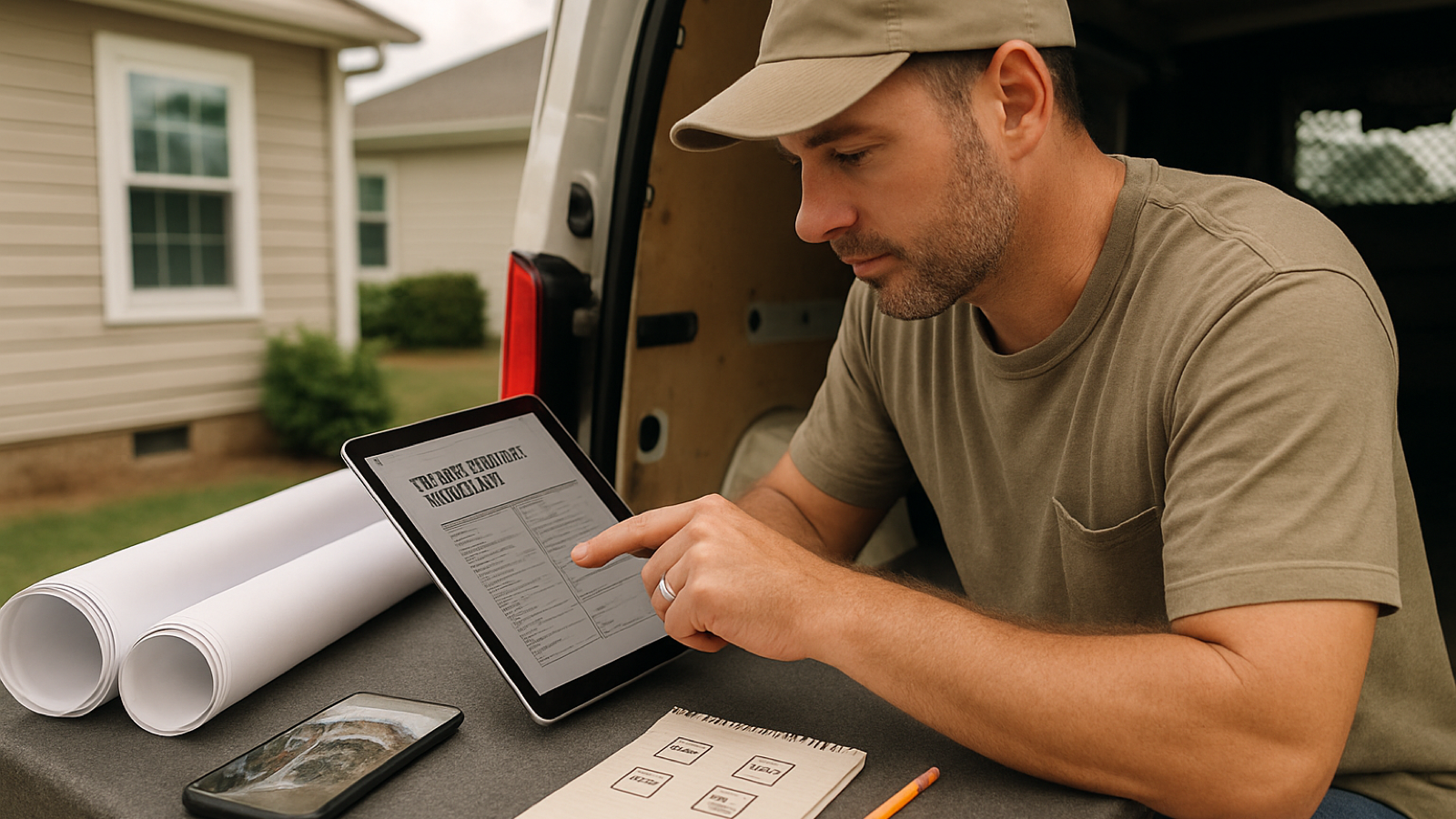
AI estimating software for Virginia contractors helps contractors turn job photos, blueprints, videos, and voice notes into a cleaner estimate draft faster, without taking the final decision away from the contractor. In Virginia, that matters because the same company may bid a Virginia Beach exterior repair, a Richmond remodel, a Northern Virginia service call, and a rural addition in the same week.
AI should not replace your field judgment. The useful version works more like a junior estimator: it organizes the messy inputs, calls out missing information, drafts the scope, and helps you move from lead to quote while you still review the quantities, labor, markup, exclusions, and final price.
The key takeaway for Virginia contractors
AI estimating software for Virginia contractors is software that helps convert photos, plans, videos, voice notes, and written scope notes into a structured estimate draft that the contractor reviews before sending.
The biggest gain is not just faster math. It is less retyping, fewer forgotten scope items, and a more consistent process when leads come from different places. One homeowner sends six photos from Virginia Beach. A property manager in Norfolk sends a short video. A remodel client in Richmond sends plans and a change request. A builder in Northern Virginia sends a PDF set with a tight deadline. A good estimating workflow should bring those inputs into one place and turn them into a bid you can actually check.
For small and mid-sized contractors, the goal is simple: respond faster while still protecting your margin and reputation.
Why estimating is different in Virginia
Virginia is not one uniform estimating market. Coastal work around Virginia Beach, Norfolk, Chesapeake, Hampton, and the Eastern Shore can involve salt air, wind exposure, flood-prone sites, moisture details, exterior material durability, and tighter scheduling around storms. A deck repair, siding replacement, door swap, or exterior remodel near the coast may need different notes than a similar job farther inland.
Richmond and older towns often bring renovation conditions that are hard to price from a quick phone call: plaster, uneven framing, older electrical, hidden rot, historic-district review, tight alleys, and disposal logistics. Northern Virginia can add HOA rules, traffic, parking, elevator reservations, condo restrictions, and client expectations for fast professional proposals. In the Blue Ridge and rural parts of the state, drive time, material delivery, grade, drainage, access, and subcontractor availability can change the true cost of the job.
Virginia contractors also need to keep the administrative side straight. The Virginia Department of Professional and Occupational Regulation oversees contractor licensing. Building work generally runs through the Virginia Uniform Statewide Building Code, while permits and inspections are handled locally. Virginia Beach, for example, has its own permit process and local review requirements. For excavation, fence, drainage, hardscape, utility, or site work, Virginia 811 should be part of the planning workflow before anyone digs.
That does not mean every estimate needs a legal memo. It means your estimate system should remind you to ask the right questions before you lock in a number.
A practical AI-assisted estimating workflow
Use this workflow when a Virginia lead comes in from photos, plans, video, or a quick voice note.
1. Capture the job inputs before they scatter
Create one job record and collect the photos, plan sheets, customer notes, measurements, videos, and voice memos in that record. For Virginia Beach and other coastal jobs, add photos of exterior exposure, water intrusion, fasteners, trim details, crawlspace vents, drainage, and access. For Richmond remodels, capture older finishes, existing electrical panels, plumbing access, floor transitions, and demolition limits. For Northern Virginia work, note parking, working hours, HOA or condo rules, and building access.
2. Separate the scope from the assumptions
Do not let the estimate become one vague paragraph. Break the work into demo, protection, materials, labor, equipment, disposal, permits, inspections, alternates, exclusions, and owner responsibilities. If you are not sure whether a wall condition, subfloor repair, flashing detail, or electrical upgrade is included, write the assumption down instead of burying it.
3. Convert visuals and notes into a draft estimate
This is where AI can save office time. The system can read the inputs, draft a scope of work, identify likely material categories, build a first-pass quantity list, and flag missing measurements. A video walkthrough might reveal protection, staging, or access issues that were not mentioned in the text. A voice note might include a customer request that never made it into the plan set.
The contractor still needs to check the output. AI can organize the estimate, but you own the number.
4. Add Virginia-specific risk checks
Before sending the bid, run a quick Virginia checklist:
- Does this job need a local permit or inspection?
- Is the property in a coastal, flood-prone, historic, HOA, condo, or military-adjacent setting with extra rules?
- Are salt air, humidity, drainage, wind exposure, or moisture details affecting materials or sequencing?
- Is utility locating required through Virginia 811 before excavation or site work?
- Are travel, parking, delivery, bridge-tunnel delays, or restricted working hours part of the true cost?
- Are allowances and exclusions clear enough that a customer cannot assume extra work is included?
These checks help keep the estimate practical instead of generic.
5. Review labor, markup, and exclusions before sending
Your labor rate, crew productivity, overhead, and markup are contractor decisions. Review line items for underpriced prep, protection, cleanup, disposal, mobilization, and punch work. For remodels, include a clear change-order path for hidden damage, code corrections, unknown framing, old wiring, rot, or subfloor problems.
6. Follow up while the job is still warm
A fast estimate loses power if follow-up is sloppy. Set a follow-up reminder when the proposal goes out. If the customer has not responded, send a short message that answers likely objections: scope, schedule, allowances, and next steps. For busy contractors, this follow-up system can be as valuable as the estimate itself.
Common estimating mistakes on Virginia jobs
Using one statewide assumption for every job. A Virginia Beach exterior repair and a Roanoke interior remodel may share a trade category, but the access, weather, materials, and risk profile can be very different.
Forgetting local permit and inspection steps. The state code framework matters, but the local building department controls the permit path on many jobs. Build time for that into the proposal when it applies.
Quoting from photos without missing-measurement notes. Photos are useful, but if a dimension, material layer, structural condition, or MEP condition is uncertain, the estimate should say what is assumed and what may change.
Leaving exclusions vague. “Does not include hidden damage” is weaker than a clear list of what happens if rot, old wiring, asbestos-like material, drainage issues, or framing problems are uncovered.
Skipping mobilization and access costs. Parking, traffic, condo rules, elevator reservations, bridge-tunnel delays, and rural travel can quietly eat profit if they are not priced.
How Estimado AI helps
Estimado AI is built for contractors who want a faster path from job input to professional estimate. The contractor can bring in blueprints, job photos, videos, voice notes, and written scope notes. Estimado helps turn those inputs into a structured estimate draft with scope, materials, labor review points, and customer-ready organization.
The contractor stays in the loop. You review the scope, adjust labor, confirm quantities, add exclusions, and approve before anything goes to the customer. That is especially important in Virginia, where local conditions can change the real cost of two jobs that look similar on the surface.
For a small contractor, the value is not hype. It is getting the first draft out of your head, your camera roll, your plan set, and your voicemail faster, so you can spend more time checking the bid and less time formatting it.
Next step
Virginia contractors do not need more paperwork. They need a repeatable estimating workflow that handles photos, plans, videos, voice notes, local job conditions, and customer-ready proposals without adding office overhead.
If you want Virginia estimates to move faster without giving up contractor review, join the Estimado AI waitlist.
FAQ
What is AI estimating software for Virginia contractors?
It is estimating software that uses AI to help organize job photos, plans, videos, voice notes, and written scope notes into a structured estimate draft. The contractor reviews and approves the final price before sending it.
Can AI price every Virginia construction job automatically?
No. A safe estimating workflow still needs contractor review. AI can help draft scope, organize inputs, flag missing information, and speed up the estimate, but the contractor should verify labor, quantities, markup, permits, and exclusions.
Why should Virginia Beach contractors estimate differently than inland contractors?
Coastal jobs can involve salt air, humidity, wind exposure, flood-prone areas, moisture details, exterior material choices, and weather scheduling. Those conditions can affect materials, labor, sequencing, and exclusions.
Does AI help with remodel estimates from photos?
Yes, when used correctly. Photos and videos can help identify existing conditions, finishes, access, and visible risks. The estimate should still flag missing measurements and unknown conditions instead of guessing.
Should Virginia contractors include permit notes in estimates?
When permits or inspections may apply, the estimate should say who is responsible, what is included, and what is excluded. Local requirements vary, so contractors should confirm with the relevant building department.