AI Estimating Software for Tile Contractors in Florida: Faster Bids for Jacksonville Jobs
A practical workflow for Florida tile contractors to estimate faster, tighten scope, handle Jacksonville job details, and follow up after bids.

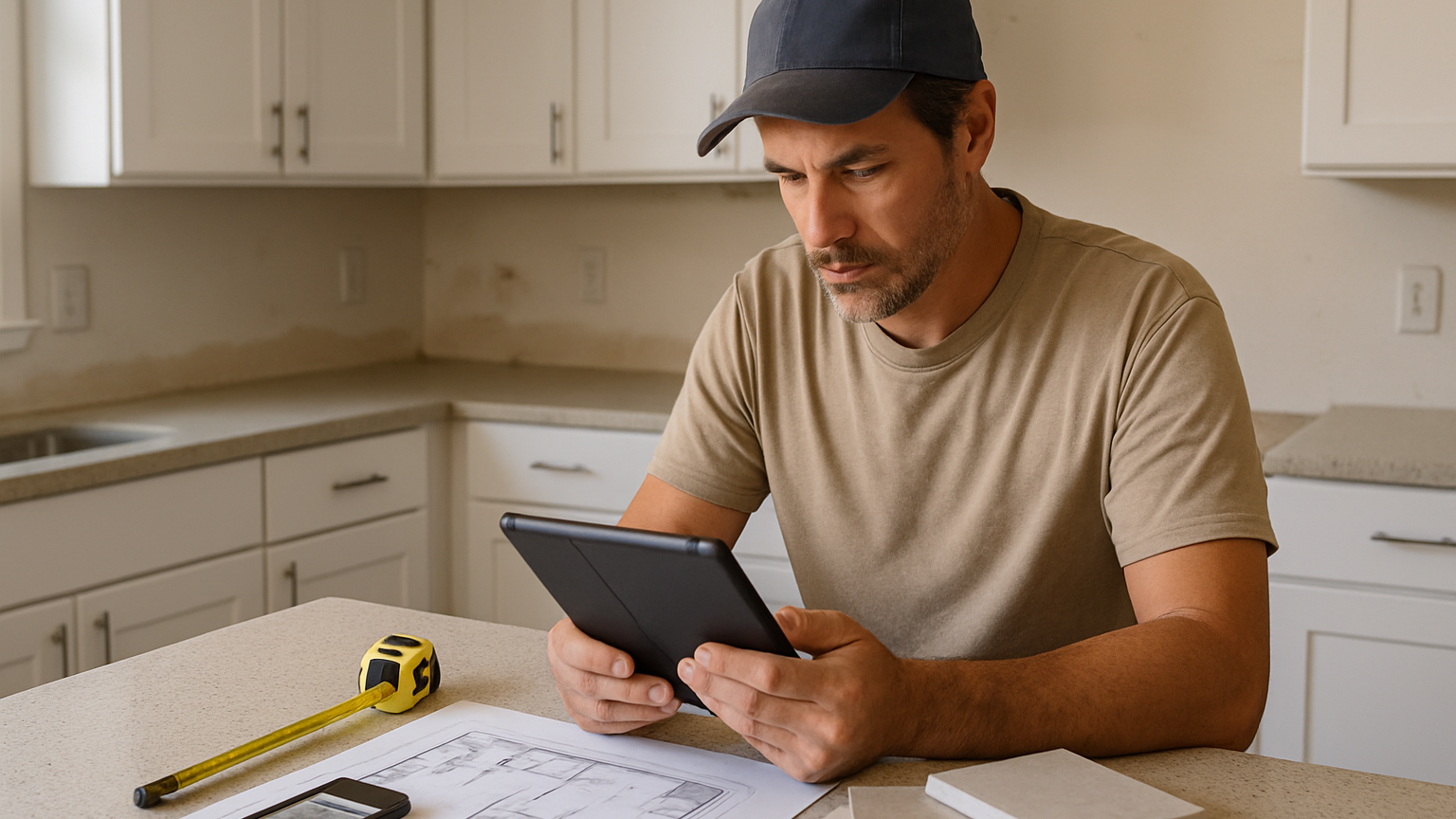
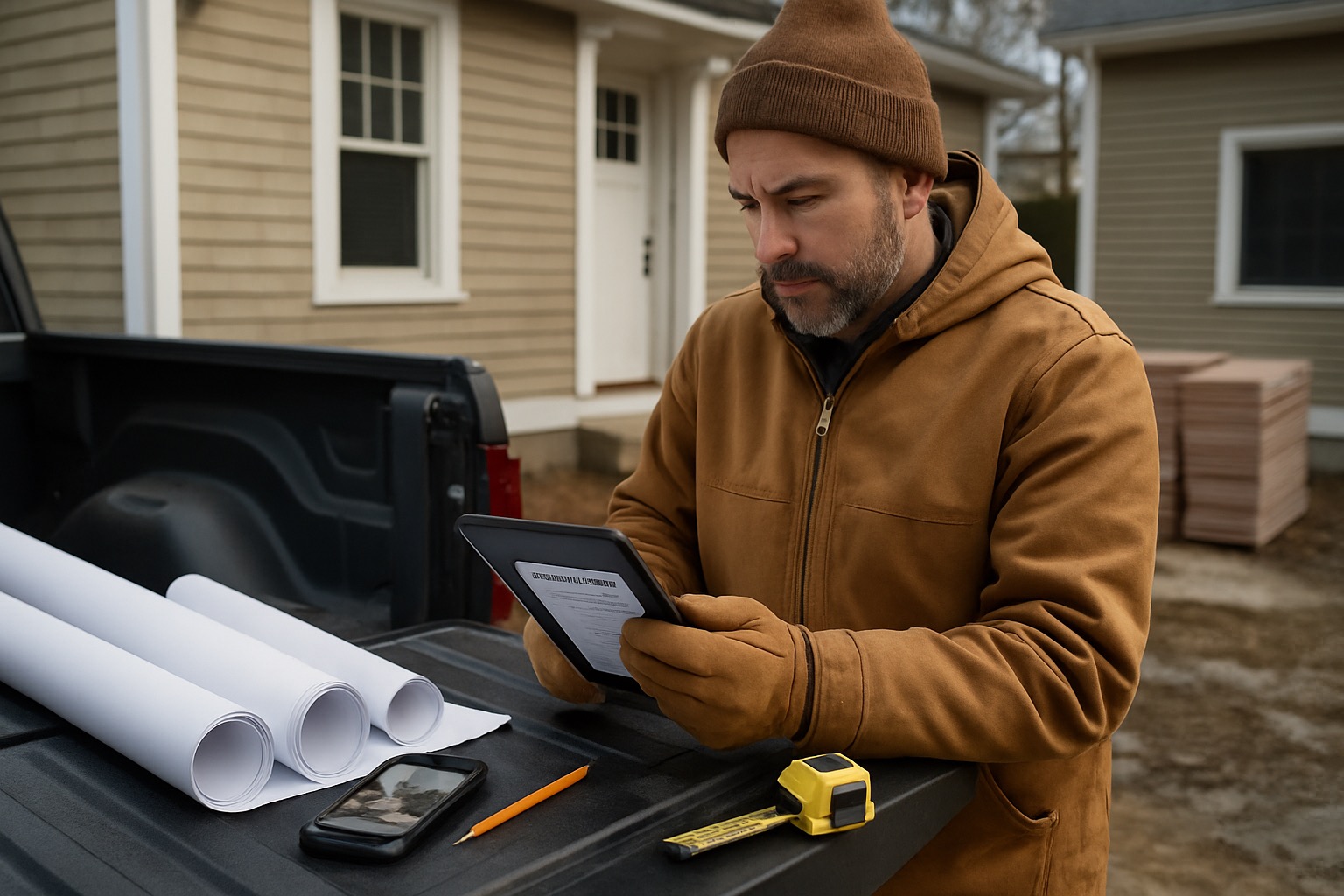
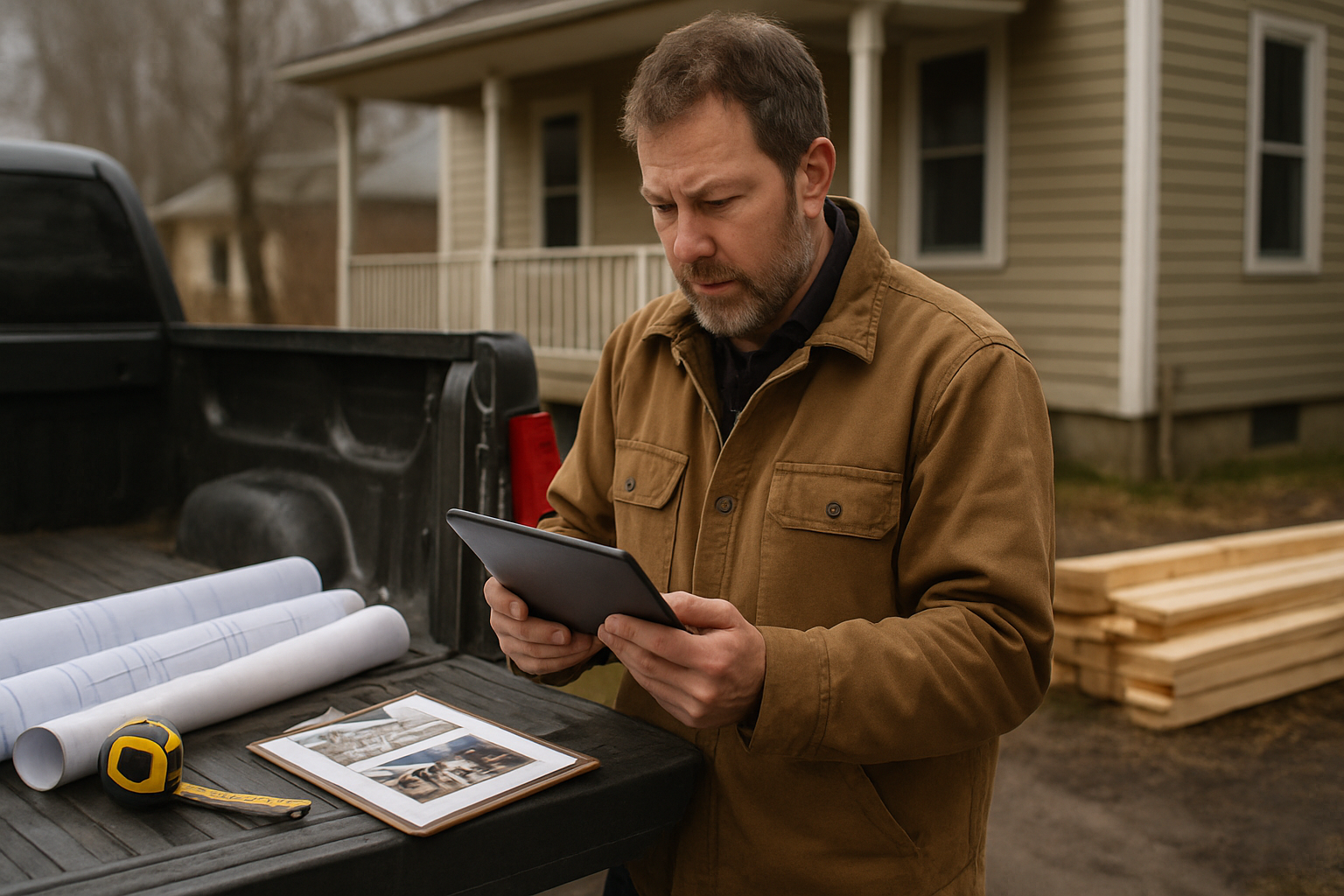
AI estimating software for tile contractors in Florida is useful when a tile contractor already knows the trade but needs a faster way to turn plans, photos, field notes, and follow-up into a clean bid. In Florida, especially around Jacksonville, tile jobs can move from a homeowner text message to a same-week walkthrough fast. The contractor who captures scope clearly, prices the right prep, and follows up quickly usually looks more professional than the contractor who sends a loose number three days later.
Estimating tile is not just square footage. A good bid has to account for layout, waste, substrate prep, waterproofing details, trim pieces, demo, haul-off, access, schedule pressure, and the difference between a simple floor and a wet-area installation. AI estimating software should help organize that work. It should not remove the contractor from the decision.
AI estimating software for tile contractors in Florida: the key takeaway
The best use of AI estimating software for tile contractors in Florida is not replacing trade judgment. It is speeding up the parts around the judgment: reading plans, pulling quantities, turning job photos into scope notes, building a professional estimate, and reminding the contractor to follow up after the bid is sent.
For a Jacksonville tile contractor, that can mean:
- Uploading a bathroom plan, kitchen floor plan, or remodel drawing.
- Adding job photos from a walkthrough.
- Dictating notes about demo, substrate condition, stairs, transitions, or owner-selected tile.
- Reviewing suggested line items before anything goes to the customer.
- Sending a cleaner proposal while the job is still fresh.
- Tracking follow-up instead of hoping the customer replies.
That workflow matters because tile bids often get messy at the edges. The square footage may be simple, but the money can disappear in the details.
Why Florida tile estimates need tighter scope
Florida tile contractors deal with conditions that make vague estimating risky. In Jacksonville and the surrounding Northeast Florida market, remodel work often includes slab-on-grade floors, older homes with uneven surfaces, rental turns, coastal humidity, lanais, outdoor kitchens, and wet-area work where waterproofing details matter. A bid that only says “install tile” is not enough.
A stronger tile estimate separates the visible finish from the work required to make the finish hold up. For example, a kitchen floor estimate may need separate lines for demo, floor prep, crack isolation membrane, tile installation, grout, baseboard removal and reset, transitions, and disposal. A shower estimate may need a clearer breakdown for tear-out, waterproofing system, wall tile, niche, curb, pan details, trim, and final sealant.
Florida also has job timing issues. Summer rain can affect outdoor or semi-outdoor tile work. Condo buildings and coastal communities may have access windows, elevator rules, insurance requirements, and noise limits. Busy Jacksonville remodel customers often compare multiple contractors, and a detailed proposal can make the difference between “rough number” and “this contractor understands the job.”
A practical estimating workflow for Jacksonville tile contractors
Use this workflow when a tile lead comes in from a homeowner, GC, property manager, or remodeler.
1. Capture the job source and decision deadline
Start by logging where the lead came from, who decides, and when the customer expects a number. A small backsplash quote does not need the same process as a full shower rebuild, but both need a clear next step.
Useful intake notes include:
- Job address or neighborhood.
- Interior, exterior, wet area, or floor-only scope.
- New construction, remodel, insurance repair, or rental turnover.
- Customer-selected tile or allowance needed.
- Whether plans, photos, measurements, or a walkthrough are available.
- Bid due date and preferred communication method.
2. Build the takeoff around install zones
Do not estimate the whole job as one lump. Break the work into zones: primary bath floor, shower walls, kitchen floor, laundry, lanai, stairs, or accent areas. Each zone can carry different waste, labor difficulty, trim, prep, and waterproofing needs.
For tile takeoffs, capture:
- Square footage by room or wall.
- Linear feet for trim, edging, base, or transitions.
- Pattern complexity such as diagonal, herringbone, stacked, or large-format layout.
- Tile size and material.
- Existing flooring or wall finish to remove.
- Substrate condition and prep assumptions.
- Moisture, crack, or slope concerns.
3. Turn photos and voice notes into scope language
Photos help, but only if they become usable estimating notes. After a walkthrough, a contractor can dictate something like: “Guest bath shower, demo existing tile to studs, owner wants large-format wall tile, include niche, waterproofing, new curb, floor tile by owner, verify drain position.”
AI can help turn that messy field note into a draft scope. The contractor still checks it, adds trade judgment, and decides what belongs in the final price.
4. Separate base scope from allowances and exclusions
Florida tile customers may not have final selections ready. If tile, grout, edge trim, or fixtures are not selected, the estimate should say what is included and what is an allowance. That protects both sides.
A clean proposal might separate:
- Labor and standard setting materials.
- Tile material allowance, if applicable.
- Waterproofing or uncoupling membrane.
- Demo and disposal.
- Floor prep or wall prep.
- Exclusions such as plumbing relocation, hidden damage, structural repairs, or permit fees unless included.
5. Follow up with the same level of professionalism
Many contractors lose jobs after the estimate, not during the walkthrough. A simple follow-up schedule helps: same day confirmation, next-day check-in, and a final reminder before the customer’s decision date. The message should be helpful, not pushy: “Wanted to make sure the shower scope was clear. If you change tile size or add the niche, I can update the estimate.”
Common tile estimating mistakes that cost money
The biggest mistake is treating tile as square footage only. Square footage starts the estimate, but the final price depends on prep, complexity, and risk.
Watch for these issues:
- Leaving demo, haul-off, or floor prep inside a single vague line item.
- Forgetting edge trim, transitions, or base details.
- Using the same waste factor for every layout and tile size.
- Not separating customer allowances from contractor-supplied materials.
- Underpricing shower waterproofing or assuming hidden conditions are fine.
- Sending an estimate without exclusions for damaged substrate, plumbing changes, or structural repairs.
- Failing to document what the customer approved.
- Waiting too long to follow up after the proposal goes out.
A better system does not make every job easy. It makes the risk easier to see before the bid is sent.
How Estimado AI helps tile contractors keep control
Estimado AI is built for contractors who want faster estimates without handing over control of the bid. A tile contractor can use blueprints, job photos, videos, and voice notes to organize the estimate faster, then review the scope and pricing before anything is sent.
That is important for Florida tile work because the contractor’s judgment still matters. AI can help draft the estimate structure, organize line items, and reduce office time, but the tile contractor decides whether the slab needs prep, whether the shower scope is complete, whether the waste factor makes sense, and whether exclusions are strong enough.
If you are comparing workflows, start with one repeatable job type: shower remodels, kitchen floors, rental turn floors, or lanai tile. Build a standard scope checklist, upload the plans and photos, and use AI to speed up the administrative work around the estimate.
For more broad estimating workflow ideas, see Estimado’s guide to AI estimating software for flooring contractors and the Florida-specific flooring estimating article at AI estimating software for flooring contractors in Florida.
Next step
If you are a tile contractor in Florida and want a faster way to turn plans, job photos, videos, and voice notes into professional estimates, join the Estimado AI waitlist. Start with one common job type, tighten the scope checklist, and build a repeatable estimating process that helps you respond faster without giving up control.
FAQ
What should tile estimating software help with?
Tile estimating software should help organize measurements, scope notes, material lists, labor line items, exclusions, allowances, and follow-up. For contractors, the best system speeds up the estimate without hiding the assumptions behind the number.
Can AI estimate tile jobs from photos?
AI can help turn job photos into scope notes and estimating prompts, but photos alone may not show every condition. Contractors should still verify measurements, substrate condition, waterproofing requirements, access, and any hidden damage before sending a final proposal.
What makes Florida tile bids different?
Florida tile bids often involve slab conditions, humidity, wet areas, lanais, coastal homes, condo access rules, and fast-moving remodel schedules. These details make clear scope, exclusions, and prep assumptions especially important.
Should a tile contractor use one price per square foot?
A square-foot price can be a starting point, but it should not be the whole estimate. Layout, tile size, prep, waterproofing, demo, trim, disposal, access, and risk can change the labor and material cost significantly.
Does Estimado AI send estimates automatically?
No. Estimado AI is designed to help contractors create estimates faster while keeping the contractor in the loop. The contractor reviews and approves the estimate before it is sent.