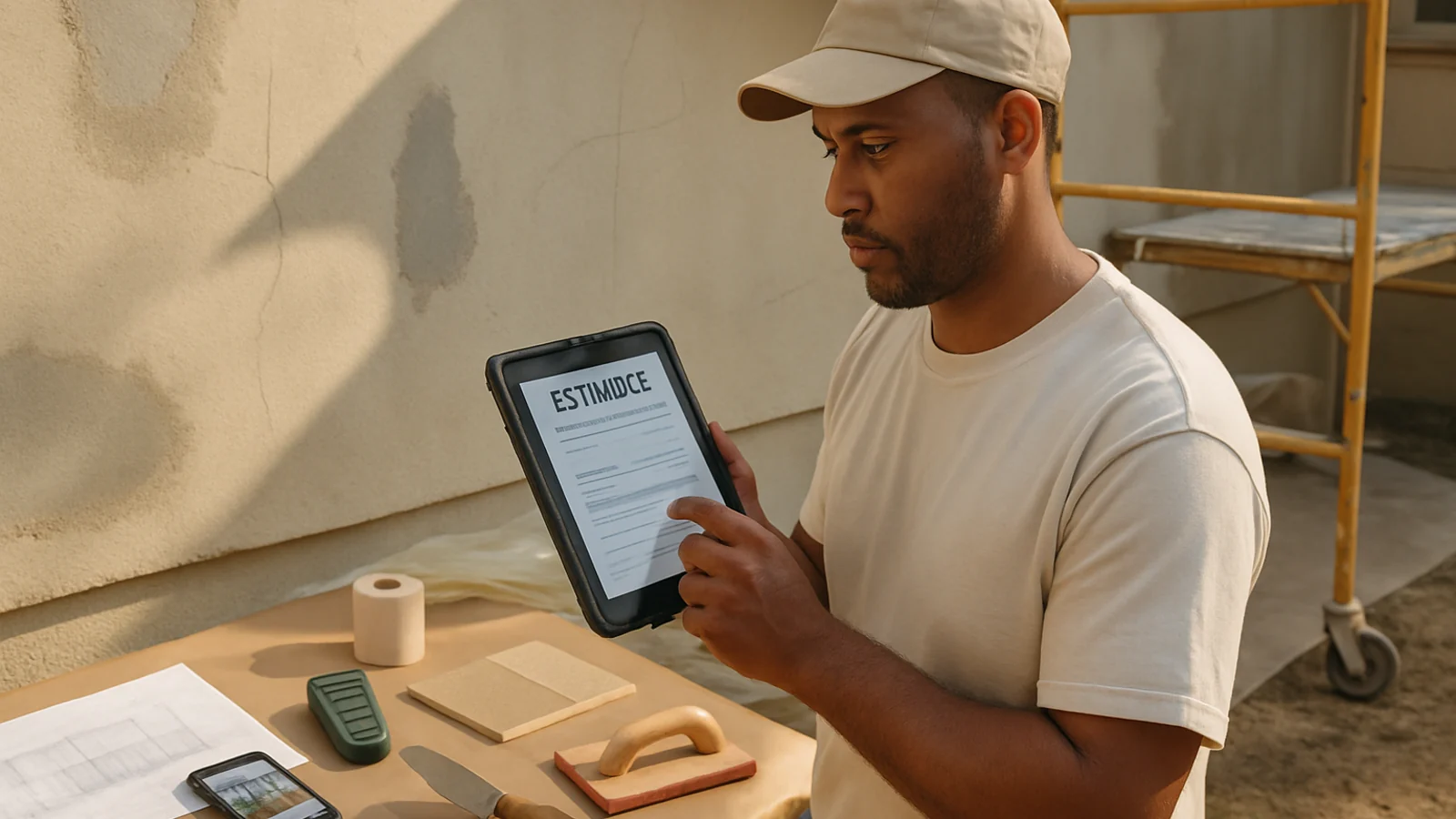
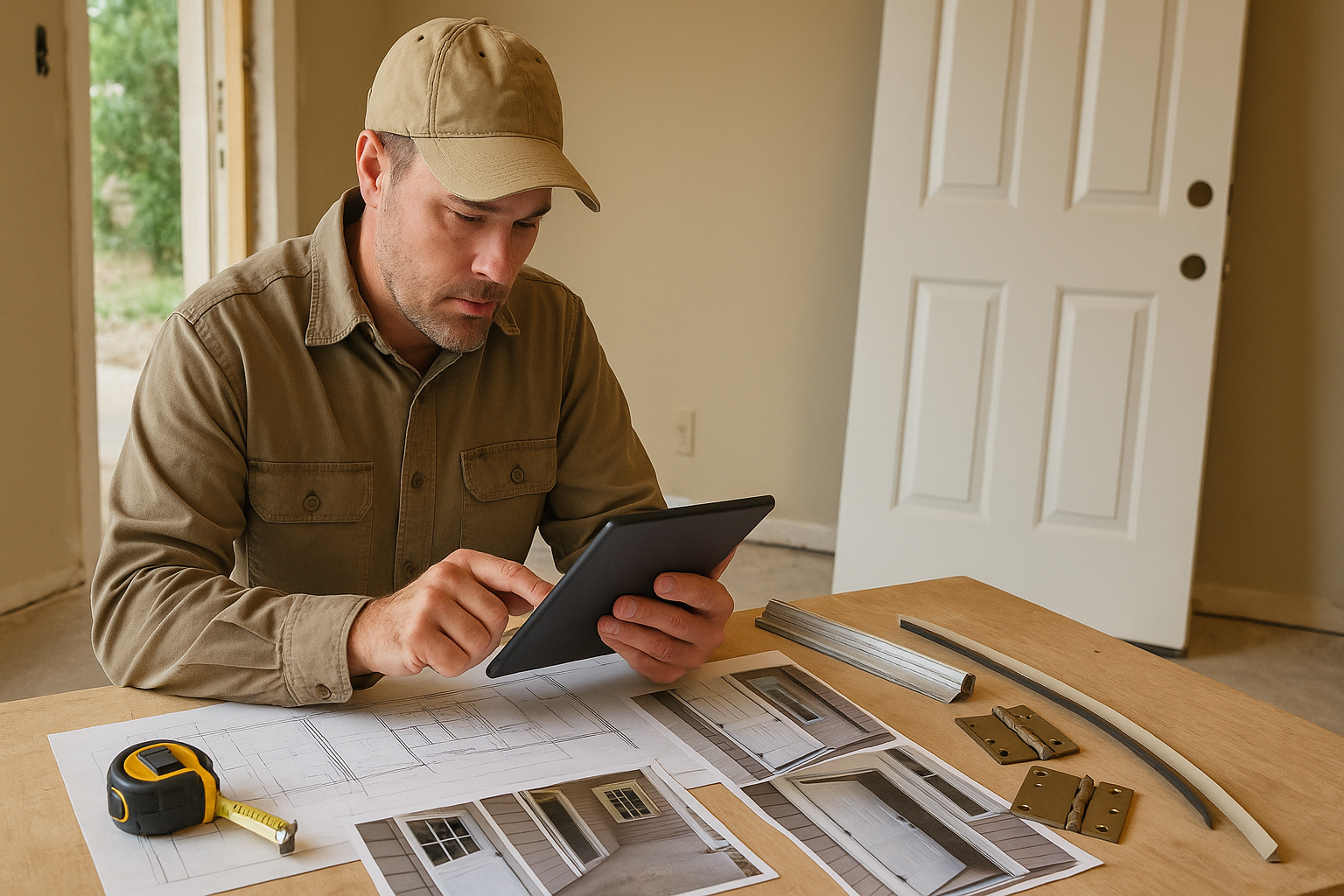
AI Estimating Software for Vermont Contractors: Faster Bids for Burlington and Statewide Jobs
A practical guide for Vermont contractors who need faster, cleaner estimates from Burlington job walks, rural site visits, photos, blueprints, videos, and voice notes.

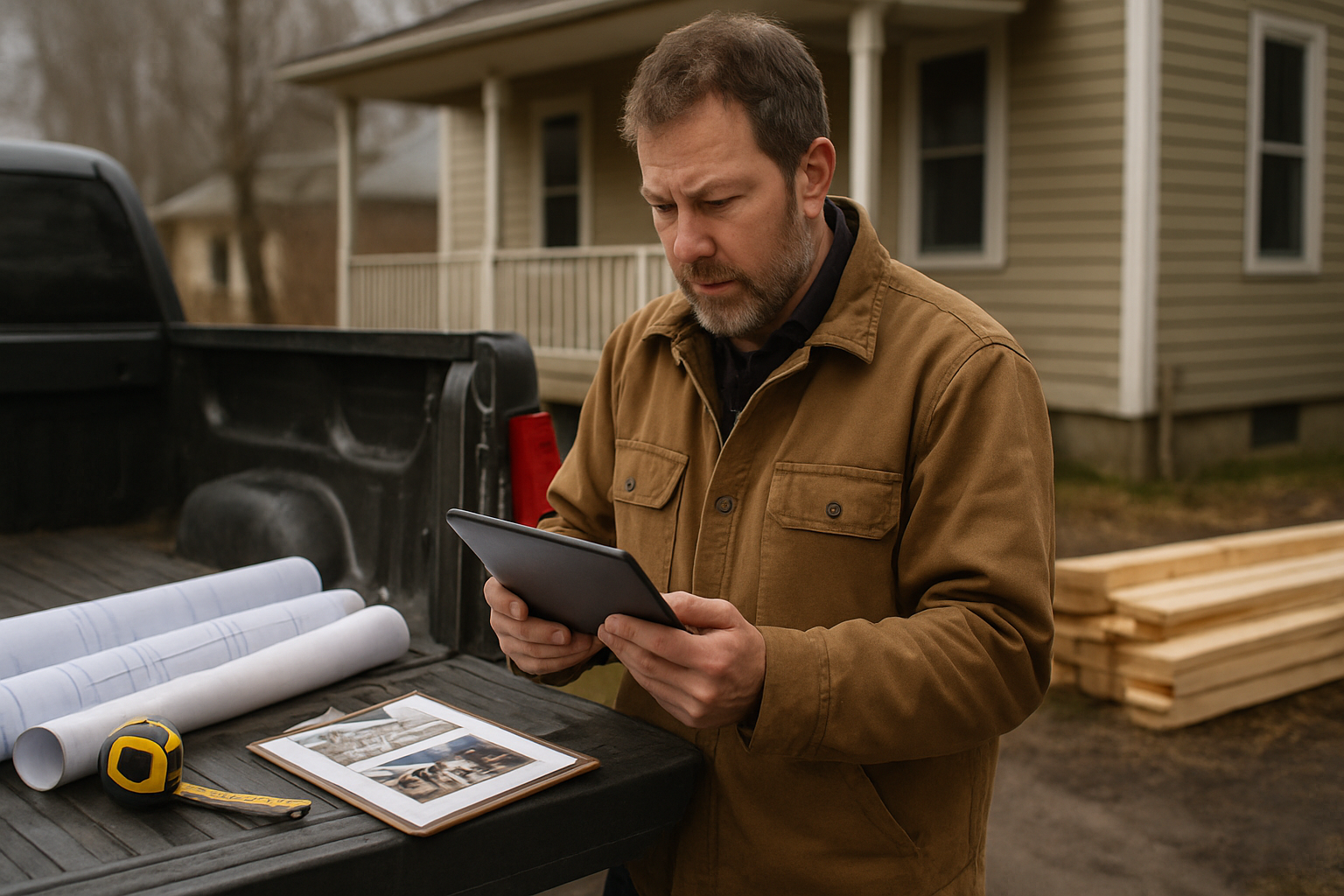
AI estimating software for Vermont contractors should help a contractor move from messy field information to a reviewed bid draft faster. In Vermont, that means handling Burlington remodels, mountain-town access issues, lake-area weather exposure, older housing stock, and rural jobs where a second site visit can burn half a day.
This is not about letting software guess the final number. The right workflow uses AI to organize photos, blueprints, videos, voice notes, quantities, scope assumptions, and follow-up items so the contractor can review, adjust, and send a professional estimate with less office drag.
The short answer for Vermont contractors
AI estimating software for Vermont contractors is most useful when it turns job inputs into a structured estimate draft: scope of work, quantities, materials, labor lines, assumptions, and questions that need contractor review. It should save time on bid setup while keeping final pricing, markup, exclusions, and approval in the contractor's hands.
For a Burlington general contractor, that might start with photos from an older South End remodel, a short voice memo about water damage, and a PDF drawing from the designer. For a contractor working outside Chittenden County, it might start with a phone video, measurements from the lead carpenter, and a few plan sheets sent after hours.
The value is speed and structure. Instead of rebuilding every estimate from scratch after dinner, the contractor starts from an organized draft and spends review time on judgment: access, schedule, code questions, labor risk, material choices, and the margin needed for the job.
Why estimating is different in Vermont
Vermont contractors often estimate across a mix of small cities, college towns, ski communities, lake properties, farms, and rural homes. That variety changes the bid. A simple interior remodel in Burlington is different from a mountain-access project near a resort town or a rural addition where deliveries, weather, and subcontractor availability can create real cost risk.
Older buildings also matter. Many Vermont homes have settled framing, layered finishes, past renovations, narrow access, and unknowns behind walls. An estimate that ignores demolition, disposal, patching, temporary protection, and hidden-condition allowances can look cheaper on paper but create problems once work starts.
Seasonality matters too. Mud season, winter weather, freeze-thaw cycles, short exterior-work windows, and snow management can affect mobilization, material storage, exterior finishes, excavation, concrete, roofing, siding, and jobsite access. Good estimating software cannot replace local judgment, but it should make those risk notes visible before the bid goes out.
Vermont also has state and local compliance considerations contractors should verify for each job, including residential contractor registration, local building permits, energy-code requirements, wastewater or septic constraints, stormwater issues, and Act 250 questions on larger or more sensitive projects. The practical point is simple: your estimate should leave room for the permitting and code items that actually apply, not bury them in vague fine print.
A practical AI-assisted estimating workflow
Use AI estimating software as a bid-prep system, not as a blind price machine. A solid Vermont contractor workflow looks like this:
1. Capture the job while you are still on site. Take photos of access, existing conditions, damage, mechanical areas, exterior exposure, and anything the client may forget to mention later. Record a short voice note with the scope, measurements, concerns, and client priorities.
2. Upload plans, photos, videos, and notes together. A blueprint alone may show dimensions, but it will not show the muddy driveway, tight stair turn, occupied space, existing plaster, or water-stained subfloor. The estimate gets stronger when field reality and drawings are connected.
3. Build the draft scope before pricing. Separate demolition, prep, rough work, finish work, disposal, protection, permits, subcontractor work, and cleanup. For Vermont remodels, call out access constraints, cold-weather protection, older-home unknowns, and allowances that need owner approval.
4. Review quantities and assumptions. Check measurements, waste factors, material selections, delivery needs, and whether the software misunderstood any photo or plan note. If a dimension is missing, the tool should flag it instead of pretending to know.
5. Add labor, markup, exclusions, and schedule risk. This is where contractor experience matters. AI can organize the estimate, but you still decide crew productivity, subcontractor pricing, winter conditions, margin, payment schedule, and what is excluded.
6. Send a cleaner proposal and follow up faster. A professional estimate should make the scope easy for the customer to understand. It should also give your office a clear next step: follow-up date, unanswered questions, and decision items.
What to include in a Vermont contractor estimate
A strong estimate should make the job easy to understand and hard to misread. For general contractors in Vermont, include:
- Project address, client information, and estimate date
- Clear scope of work by phase or area
- Material assumptions, allowances, and finish selections
- Labor line items or phase pricing with enough detail for review
- Disposal, protection, delivery, equipment, and mobilization
- Permit, inspection, energy-code, or local approval assumptions when relevant
- Weather, access, and seasonal schedule notes
- Exclusions for hidden conditions, owner-supplied materials, and work not inspected
- Payment schedule, change-order process, and expiration date
The goal is not to make the estimate longer. The goal is to make it clear enough that the customer understands what is included and the contractor is not stuck defending missing scope later.
Common mistakes Vermont contractors can avoid
The first mistake is treating every job like a flat, easy-access project. A rural driveway, winter delivery, small-town inspection schedule, or mountain property can change labor and logistics.
The second mistake is estimating from a few photos without writing down assumptions. Photos are useful, but they need notes: what the customer asked for, what was not visible, what needs measurement, and what could change after opening walls.
The third mistake is hiding risk instead of naming it. Older-home unknowns, moisture damage, plaster repairs, uneven framing, and site access should be addressed in the estimate or listed as exclusions and allowances.
The fourth mistake is sending bids too slowly. When a lead is ready to talk and the contractor waits several days to assemble the proposal, the job can go cold. Speed matters, but only if the bid is still reviewed carefully.
How Estimado AI helps
Estimado AI is built for contractors who want estimating help without handing the job to a black box. Contractors can bring in job photos, blueprints, videos, and voice notes, then review an organized estimate draft with scope, quantities, materials, labor structure, assumptions, and customer-ready proposal details.
For Vermont contractors, that means a cleaner path from Burlington job walk or rural site visit to a bid that can be checked and sent. The contractor stays the senior estimator. Estimado acts like a junior estimator that prepares the draft, highlights missing information, and keeps the work moving.
If your Vermont team wants to turn cold-weather site notes, photos, drawings, videos, and voice memos into cleaner bid drafts without giving up control of the final number, join the Estimado AI waitlist.
For related contractor estimating guides, visit the Estimado blog.
FAQ
Is AI estimating software accurate enough for Vermont contractors?
AI estimating software can be useful for organizing scope, quantities, materials, assumptions, and proposal drafts, but the contractor must review the final estimate. Accuracy depends on input quality, job complexity, measurements, local pricing, and contractor judgment.
Can AI estimate from photos and voice notes?
Yes, AI-assisted workflows can use photos and voice notes to help build an estimate draft, especially for remodels and service work. Contractors should still verify measurements, hidden conditions, finish selections, and any item that affects price.
What should Vermont contractors watch for when bidding statewide jobs?
Watch for travel time, site access, winter or mud-season conditions, older-home unknowns, local permits, energy-code requirements, delivery constraints, and subcontractor availability. These items should be visible in the estimate instead of handled as afterthoughts.
Should AI estimating software replace a human estimator?
No. The best use is AI-assisted estimating, where software prepares and organizes the draft while the contractor reviews scope, labor, markup, exclusions, and final pricing before anything is sent to the customer.