AI Estimating Software for Flooring Contractors in Florida: Faster Bids From Photos, Plans, and Voice Notes
A practical Florida flooring estimating workflow for turning job photos, blueprints, and voice notes into cleaner bids with faster follow-up.


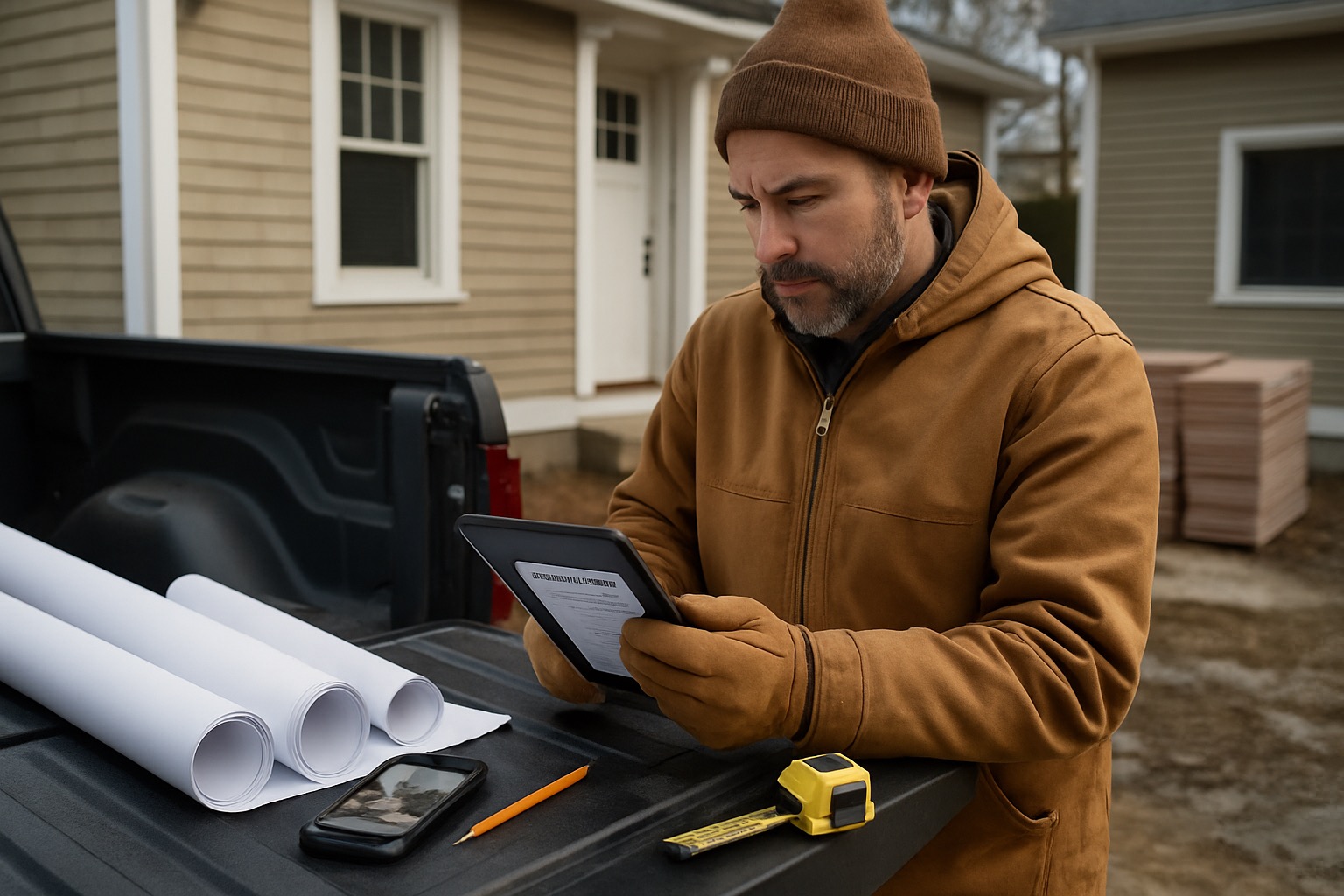
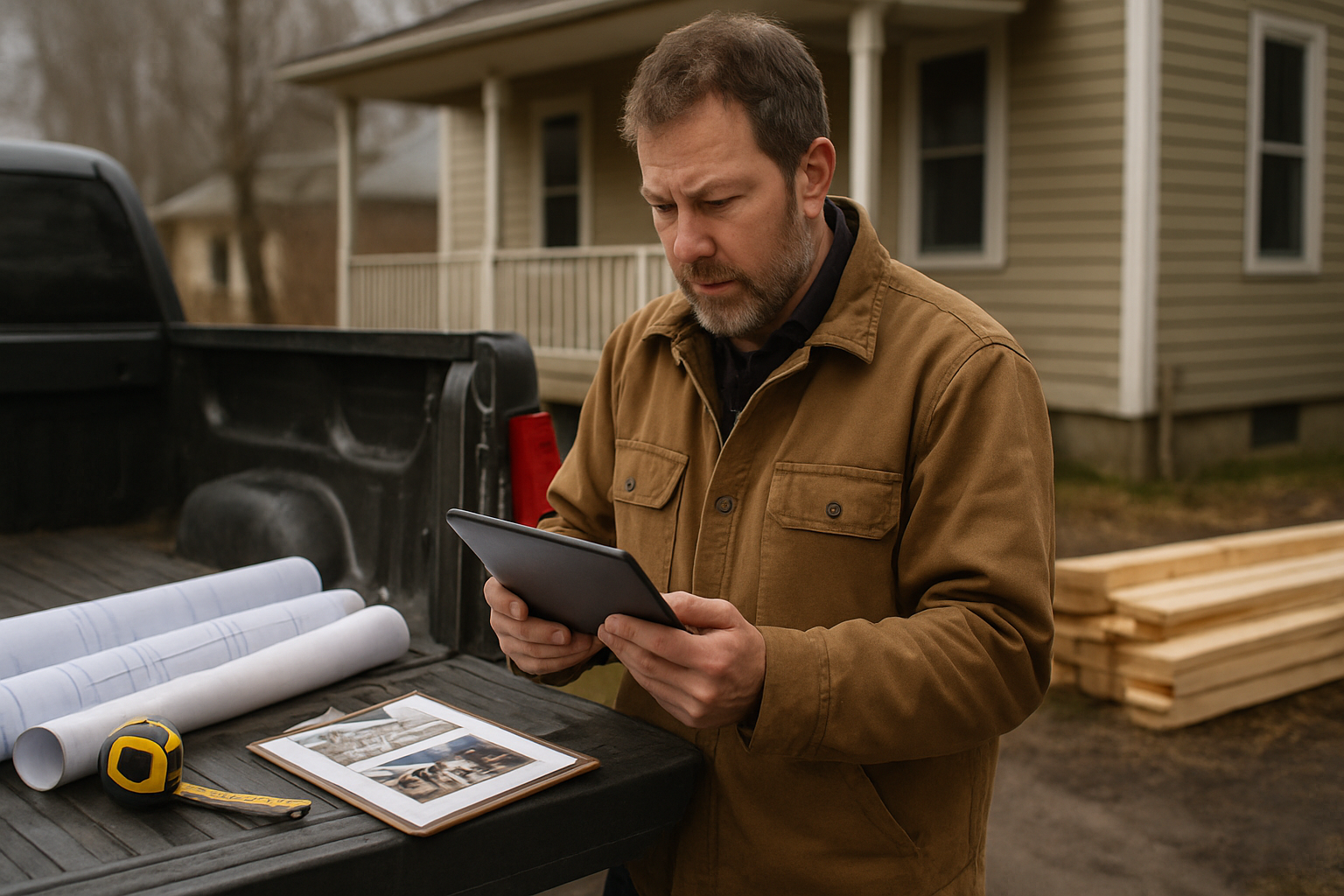
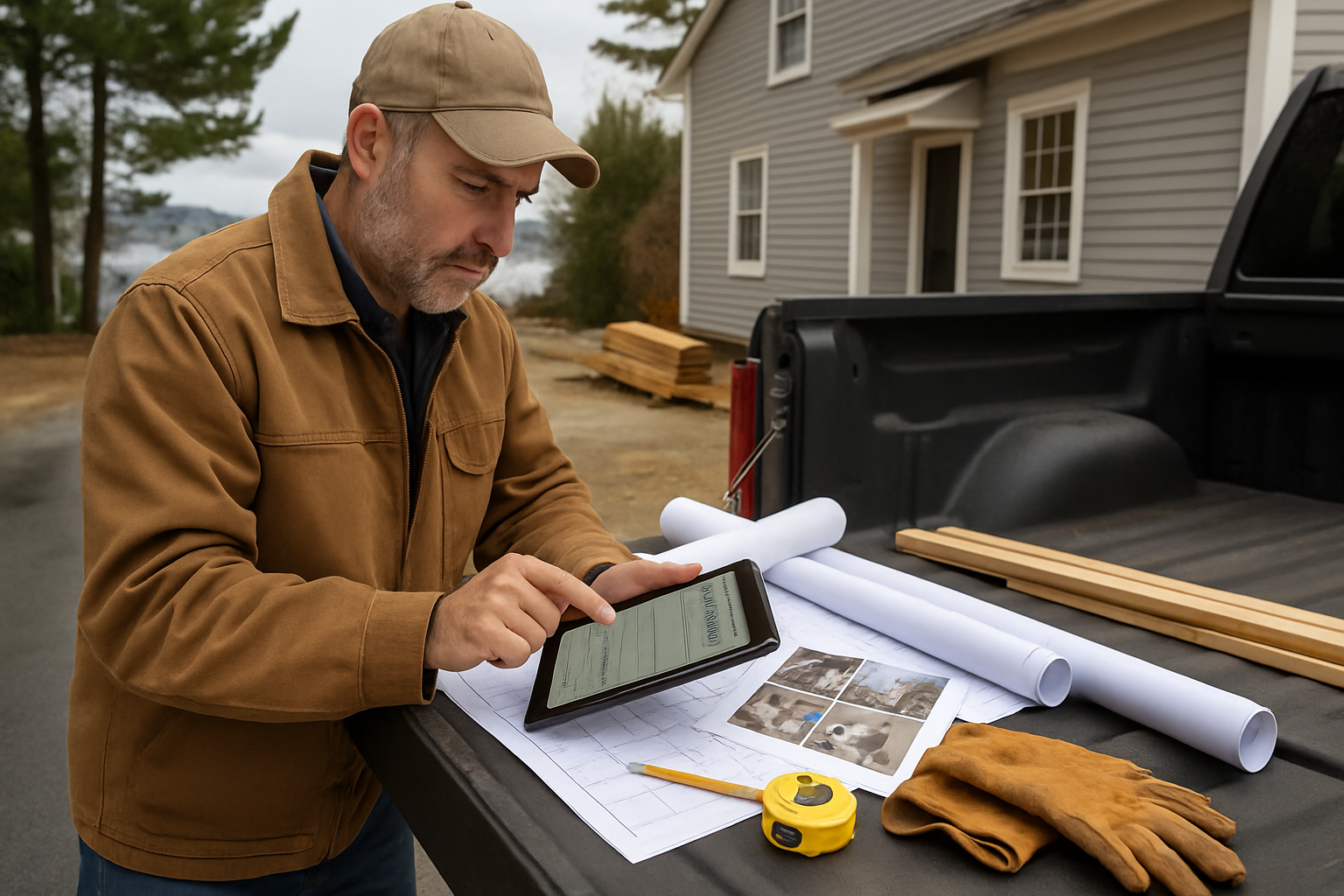
AI estimating software for flooring contractors in Florida can help a busy flooring company turn job photos, measurements, plans, and voice notes into a cleaner estimate draft faster. The point is not to let software guess the final number. The point is to organize scope, quantities, material assumptions, labor notes, exclusions, and follow-up so the contractor can review the bid and send it while the job is still warm.
For a Jacksonville flooring contractor, that may mean pricing a luxury vinyl plank install from photos after a kitchen leak, building a tile floor proposal from a remodel plan set, or turning a walkthrough voice memo into a professional bid packet before the customer starts calling other companies.
Key takeaway for Florida flooring contractors
The best use of AI estimating software is not replacing trade judgment. It is removing the office drag between the site visit and the estimate. A good flooring estimate still needs contractor review on moisture risk, subfloor prep, transitions, demo, disposal, moving appliances, baseboards, floor leveling, and warranty-sensitive installation details.
For Florida work, the estimate also needs to respect local conditions. Slab moisture, humidity, condo rules, coastal wear, storm-related repairs, and older homes can all change the scope. A fast quote that skips those details can turn into a callback, margin problem, or uncomfortable change order.
Why Florida flooring estimates get messy
Flooring looks simple when the customer says, “I just need new floors.” The actual bid can have several moving parts:
- Existing material removal: carpet, tile, laminate, glued-down vinyl, or mixed flooring across rooms
- Slab or subfloor condition: cracks, moisture concerns, uneven areas, loose underlayment, or damaged sheathing
- Material type: LVP, laminate, engineered wood, tile, carpet, or waterproof flooring
- Transitions: doorways, stairs, thresholds, closets, sliders, and adjoining rooms
- Trim details: quarter round, baseboard remove-and-reinstall, caulk, paint touch-up, or new shoe molding
- Logistics: occupied homes, condos with elevator rules, parking limits, gated communities, and customer schedule windows
- Risk notes: moisture testing, leveling allowance, unknown damage under existing flooring, and exclusions
Jacksonville adds a mix of coastal homes, older properties, rentals, remodels, and storm-repair leads. Orlando, Tampa, Miami, and Fort Myers contractors see similar pressure: homeowners want a fast number, but the floor conditions are not always visible until demolition starts.
A practical AI-assisted flooring estimating workflow
Use AI to structure the estimate, not to skip your process. A practical workflow looks like this.
1. Capture the job clearly before leaving
Take wide photos of each room, closeups of problem areas, doorway transitions, floor height changes, closets, stairs, and existing damage. If the customer is asking for tile, include the substrate and wet-area details. If it is LVP or laminate, capture the slab, baseboards, exterior doors, and any moisture-prone areas.
Then record a short voice note while the job is fresh: “Jacksonville rental, 820 square feet LVP, remove carpet in bedrooms, tile stays in bathrooms, customer wants baseboards left in place if possible, include shoe molding, refrigerator move, unknown slab condition under carpet.”
2. Build the scope before pricing
Before you talk numbers, define what is included and what is excluded. For example:
- Remove and dispose of existing carpet and pad in selected rooms
- Inspect slab after removal and notify customer of leveling or moisture issues
- Install underlayment if required by selected product
- Install LVP in living room, hall, and three bedrooms
- Install matching transitions at tile and exterior door thresholds
- Install primed shoe molding, caulked but not painted
- Exclude major slab repair, water damage repair, and hidden mold remediation unless documented by change order
That scope protects the contractor and gives the customer a clearer proposal.
3. Quantify material and waste by room
Use the plans, field measurements, photos, or takeoff notes to break quantities by room. Do not stop at total square footage. A flooring estimate should also think through waste, pattern direction, cuts, closet footage, attic or garage transitions, stair parts, trim length, adhesive or underlayment, and extra boxes for product minimums.
AI can help organize the takeoff notes and catch missing line items, but the contractor should still verify measurements, product specs, and waste assumptions before sending.
4. Separate base bid, allowances, and unknowns
Florida flooring jobs often need a clean way to handle unknowns. Instead of burying everything in one number, call out assumptions.
Good examples:
- “Proposal assumes slab is suitable for floating LVP after carpet removal.”
- “Floor prep beyond minor patching will be priced after existing flooring is removed.”
- “Moisture mitigation, if required by product warranty or site conditions, is not included unless listed.”
- “Customer-selected flooring allowance is based on the listed product and supplier.”
This makes the bid look professional and reduces arguments later.
5. Send the estimate and follow up fast
The contractor who responds the same day often has an advantage, but speed only helps if the estimate is complete. After sending, follow up with a short note that asks whether the customer wants help comparing material options, scheduling a moisture test, or locking in an install window.
A simple follow-up system matters because many flooring leads go cold when the customer receives three similar numbers and no one explains the difference.
Common flooring estimating mistakes to avoid
- Pricing square footage only and forgetting transitions, trim, demo, disposal, floor prep, or furniture moves
- Treating every LVP install the same even when slab condition, product spec, or moisture risk changes the job
- Sending a vague proposal that does not explain what happens if hidden damage is found
- Failing to separate material allowance from labor and prep
- Assuming condo, HOA, elevator, or work-hour rules will not affect production
- Letting strong leads sit for two or three days because the estimate is stuck in office work
These mistakes are not about knowing how to install flooring. They are about translating jobsite knowledge into a bid packet the customer can understand and the crew can build from.
How Estimado AI helps
Estimado AI is being built as AI estimating software for contractors who want faster, cleaner estimate drafts while staying in control of the final number. For flooring work, the goal is to help turn blueprints, job photos, videos, and voice notes into organized scope, material lines, labor notes, exclusions, and a customer-ready estimate for contractor review.
The contractor remains the senior estimator. Estimado is the junior estimator at your right hand: it helps assemble the information, flags missing details, and gives you a structured draft to review before anything goes to the customer.
If you want a faster way to turn Florida flooring leads into professional bid drafts without adding more office overhead, get on the Estimado AI waitlist.
You can also read more contractor estimating articles on the Estimado AI blog or learn about Estimado at estimado.com.
Next step
For Florida flooring contractors, the winning workflow is simple: capture better job information, define the scope before pricing, separate unknowns, review the numbers, and follow up while the customer still remembers you. AI estimating software can make that workflow faster, but the contractor’s judgment is still what protects the job.
FAQ
What is AI estimating software for flooring contractors in Florida?
It is software that helps flooring contractors organize job inputs such as photos, blueprints, measurements, videos, and notes into an estimate draft. The contractor still reviews scope, quantities, labor, allowances, and final pricing before sending.
Can AI estimate flooring from photos alone?
Photos can help document existing conditions, transitions, trim, damage, and room layout, but photos alone are not always enough for accurate quantities. Measurements, plans, product specs, and contractor review are still important.
What should a Florida flooring estimate include?
A strong estimate should include room quantities, material assumptions, demo, disposal, floor prep, underlayment or adhesive, trim, transitions, exclusions, unknown conditions, schedule notes, and payment terms. For some jobs, moisture testing or local permit review may also matter.
Is AI estimating useful for experienced flooring contractors?
Yes, when it reduces admin work. Experienced contractors already know the trade. AI is useful when it helps convert field notes into a polished estimate faster, keeps follow-up organized, and reduces missed scope items.