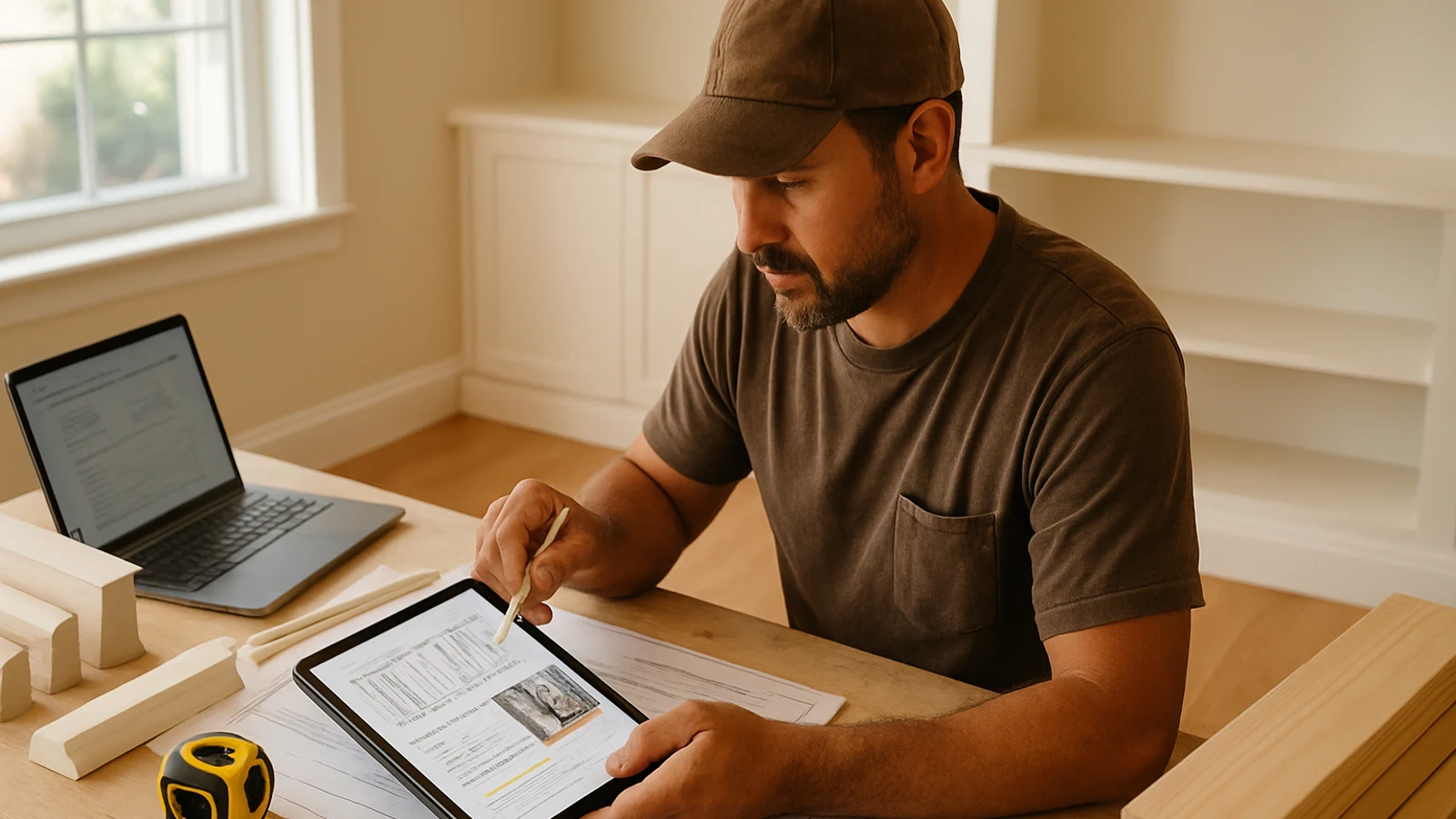
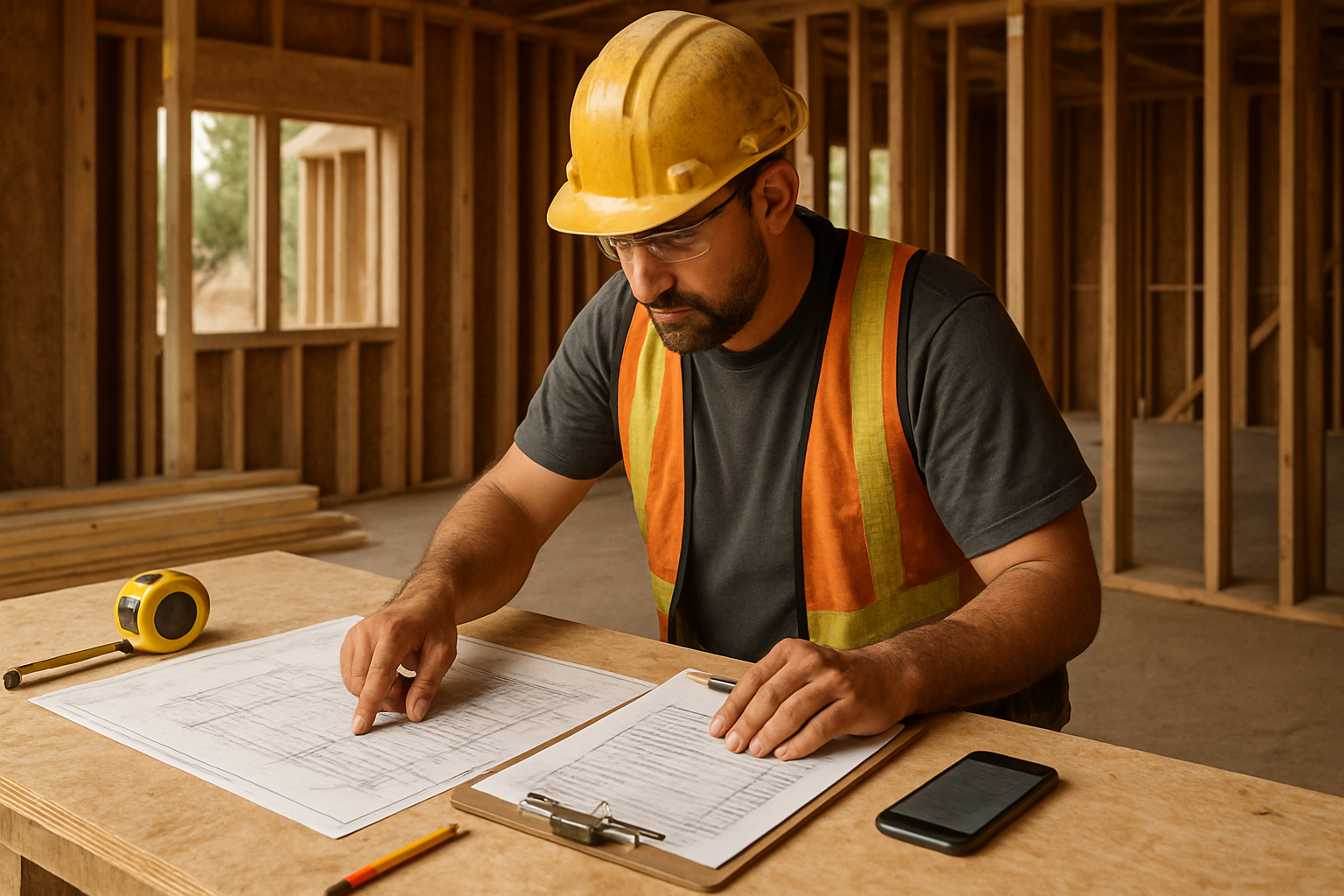
AI Estimating Software for South Carolina Contractors: Faster Bids for Coastal, Remodel, and Upstate Jobs
South Carolina contractors need estimates that handle Charleston coastal work, historic-area review, Upstate remodels, humidity, storm exposure, and clear scope control.

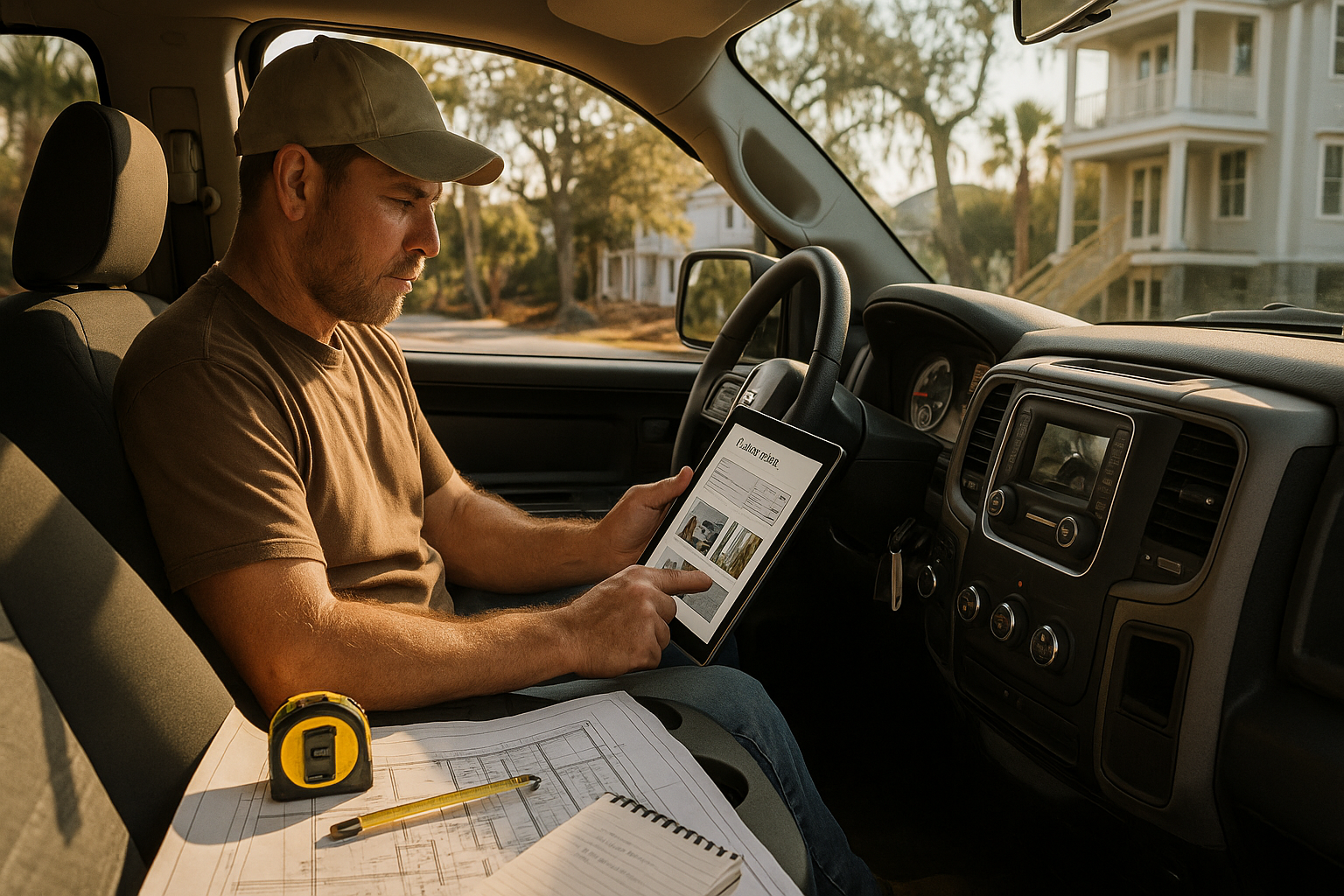
AI estimating software for South Carolina contractors should help a contractor turn messy job information into a clear, review-ready estimate faster. In South Carolina, that job information can look very different from one lead to the next: a Charleston porch repair with coastal exposure, a Columbia rental turnover, a Greenville remodel with plan sheets, or a Myrtle Beach exterior job after heavy weather.
The goal is not to let software guess the final number. The best workflow uses AI to organize photos, blueprints, videos, and voice notes, then keeps the contractor in control before the bid is sent.
AI estimating software for South Carolina contractors: the direct answer
AI estimating software for South Carolina contractors is most useful when it speeds up the estimating workflow without flattening local job risk. A good process captures existing conditions, builds a defined scope, flags missing details, separates materials and labor, and creates a professional bid packet that the contractor can review, edit, approve, and send.
For South Carolina contractors, the local pass matters. Coastal jobs may need attention to wind-driven rain, corrosion, flood-prone sites, drainage, exterior fasteners, and permit questions. Historic Charleston work may need more documentation around exterior changes. Upstate and Midlands jobs may involve different supplier routes, access issues, older homes, remodel surprises, and small commercial schedules.
Why South Carolina estimating needs local judgment
A generic estimate can miss the details that protect margin. Around Charleston, Mount Pleasant, Summerville, Beaufort, Hilton Head, and Myrtle Beach, exterior work often deserves a harder look at moisture paths, flashing, rot, fasteners, coastal corrosion, storm exposure, and site access.
In Columbia and the Midlands, contractors may be moving between rental turns, repairs, older homes, and light commercial interiors. In Greenville, Spartanburg, Rock Hill, and other Upstate markets, growth can bring remodels, additions, tenant improvements, and schedule-driven bids where speed matters but scope clarity matters more.
A South Carolina estimate should usually ask whether the work is coastal, flood-prone, historic-area, inland residential, or light commercial; whether photos show moisture damage, rot, corrosion, settlement, termite damage, or prior patchwork; whether local permit, inspection, HOA, or historic review may apply; and which measurements need a field check before a fixed price.
A practical AI-assisted estimating workflow
1. Capture the field information while it is fresh
Do not wait until the end of the day to rebuild the job from memory. Have the estimator, owner, or field lead collect job photos, short videos, plan pages, customer notes, measurements, and a quick voice note while still on site.
For a Charleston exterior repair, the voice note might say: “Replace deteriorated porch trim on front elevation, inspect soft framing at left column, patch siding where removed, prime and paint affected areas, customer wants option for full repaint.” For a Greenville remodel, the note might include demo limits, finish level, fixture allowances, unknown wall conditions, and whether the owner is supplying materials.
AI can help turn those scattered inputs into an organized project summary. But if a measurement, wall condition, or code question is unclear, the estimate should mark it as unknown instead of pretending the answer is certain.
2. Define scope before pricing
A profitable estimate starts with scope, not a quick total. Break the work into what will be done, what might be needed, and what is excluded. For a South Carolina coastal exterior job, that may include removal, disposal, substrate inspection, sheathing or trim replacement, weather barrier, flashing, sealant, fasteners, paint, cleanup, and alternates for hidden damage.
For an interior remodel in Columbia or Greenville, the scope may include demolition, protection, framing adjustments, drywall, flooring, paint, fixture installation, material allowances, haul-off, and final punch. Separating scope from price makes it easier to review the estimate and easier to explain changes when the customer adds work.
3. Run a South Carolina risk pass
Before sending the bid, run a local risk check. Coastal and Lowcountry work should look for moisture, corrosion, drainage, wind exposure, flood-prone access, and local approval requirements. Older homes should trigger questions about hidden framing, lead-safe practices, old plumbing or electrical, uneven floors, and prior repairs. Rural or island work should account for travel, parking, ferry or bridge constraints where relevant, supplier trips, and missed-material risk.
This is where contractor judgment stays in charge. AI can help surface the checklist, but the contractor decides the allowance, exclusion, field verification, or final line item.
4. Build the estimate in reviewable line items
A customer-ready bid should be easy to audit. Separate demo, prep, material, labor, equipment, disposal, subcontractor work, permits or fees if known, allowances, alternates, and exclusions. If the customer asks to remove one part of the job, those line items make the revision faster.
South Carolina contractors who cover more than one market should also separate travel, delivery, staging, and equipment costs. A job that looks profitable near the shop can shrink fast after extra trips across Charleston traffic, a long rural drive, or a delayed supplier pickup.
5. Turn speed into a cleaner follow-up
Fast estimating only helps if the customer receives a clear proposal. The bid packet should explain the scope, assumptions, timeline, payment terms if used, exclusions, and the next step to approve. For many contractors, the real win is not just finishing the estimate faster; it is responding while the customer still remembers the site visit and before the lead goes cold.
Common mistakes South Carolina contractors should avoid
Treating every South Carolina job the same. A porch repair in Charleston, a rental turn in Columbia, and a remodel in Greenville may have different risks, approval steps, material choices, and access issues.
Letting photos replace measurements. Photos help identify visible conditions, but they do not always confirm square footage, linear footage, wall thickness, substrate condition, or hidden damage. If the dimension matters, verify it or label the assumption.
Forgetting coastal and moisture details. Exterior jobs near the coast can fail when flashing, drainage, corrosion, sealants, substrate conditions, or fasteners are treated as minor details.
Burying mobilization and disposal. Parking, staging, dump runs, delivery, equipment rental, and multiple supplier trips can quietly erase profit on smaller jobs.
Using AI as the final estimator. AI can speed up the office work, but the contractor should still review scope, quantities, labor, assumptions, and final price before sending anything to the customer.
How Estimado AI helps
Estimado AI is being built as AI estimating software for contractors who want faster bids without giving up control. The workflow is designed around real contractor inputs: blueprints, job photos, videos, typed notes, and voice notes. Estimado helps turn those inputs into a structured scope of work, material list, labor breakdown, and professional estimate that the contractor reviews before sending.
For South Carolina contractors, that review step is important. Software can organize the job, draft the estimate, and flag missing information, but the contractor still applies local judgment around Charleston coastal exposure, historic-area work, Midlands remodel conditions, Upstate scheduling, supplier access, and customer expectations.
If you want to quote South Carolina jobs faster while still reviewing every scope, quantity, and assumption yourself, join the Estimado AI waitlist.
FAQ
Is AI estimating software accurate enough for South Carolina contractors?
AI estimating software can speed up estimate preparation and help organize project information, but accuracy still depends on complete job inputs and contractor review. The safest workflow keeps the contractor in the loop before the estimate is sent.
Can AI create estimates from job photos and videos?
AI can use job photos and videos to identify visible conditions, finishes, damage, access issues, and missing information. It should not guess measurements that are unclear. Important dimensions should be verified or shown as assumptions.
What should a South Carolina contractor include in a professional estimate?
A professional estimate should include scope of work, materials, labor, equipment, disposal, assumptions, exclusions, allowances, timeline expectations, payment terms if used, and a clear next step for approval.
What makes coastal South Carolina estimating different?
Coastal jobs may need extra attention to moisture, wind-driven rain, corrosion, drainage, flood-prone conditions, flashing, fasteners, access, and local permit or review requirements. Those factors should be handled in the estimate instead of left as vague assumptions.