AI Estimating Software for Plumbing Contractors in California: Faster Los Angeles Bids From Photos, Plans, and Scope Notes
A practical workflow for California plumbing contractors who want faster Los Angeles bids from job photos, plans, voice notes, and tighter scope review.

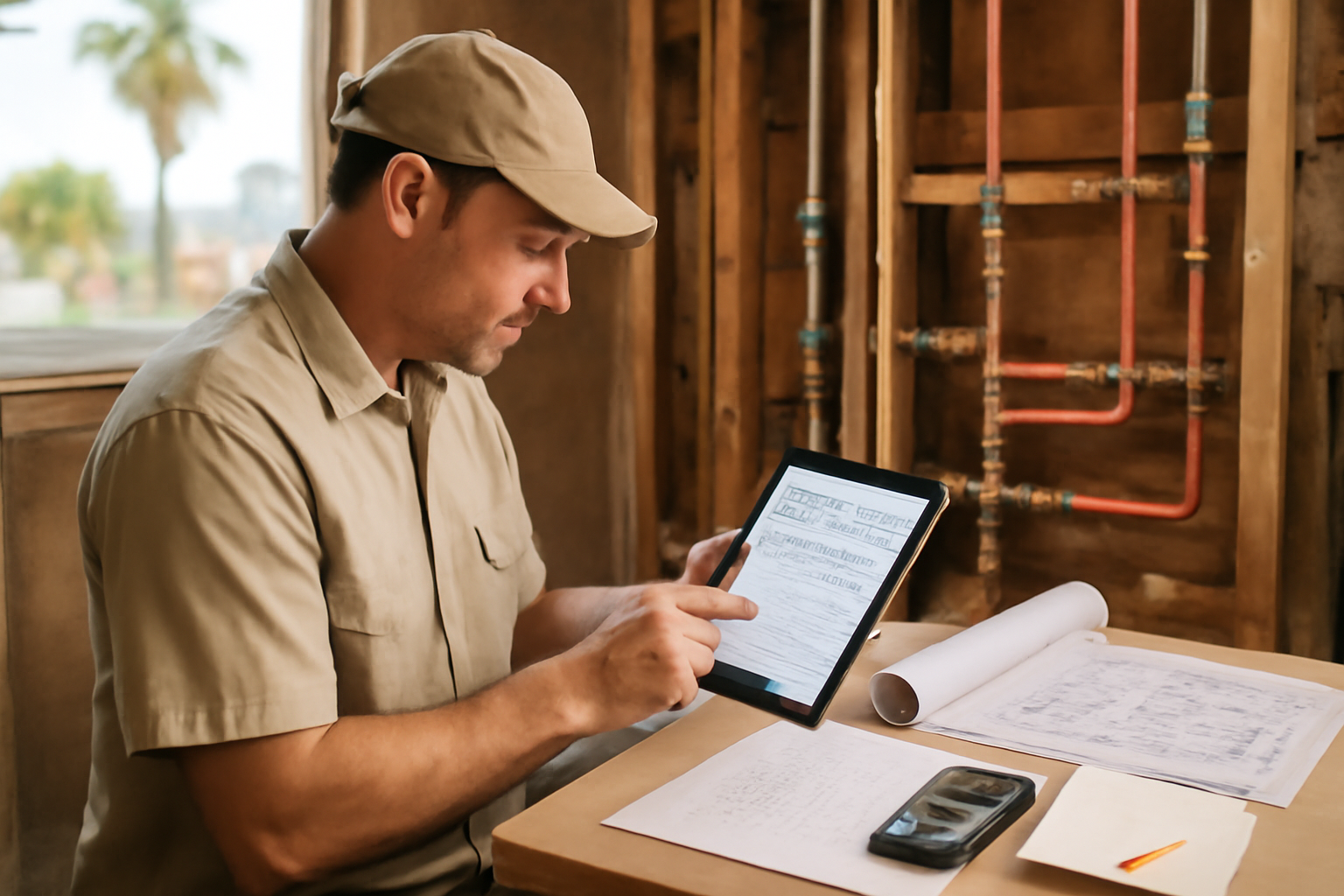
AI estimating software for plumbing contractors in California is useful when it helps a real plumbing contractor move from scattered job information to a clean, reviewable bid. For a Los Angeles plumbing shop, that usually means bringing together photos from a service call, marked-up plans, fixture schedules, voice notes from the walkthrough, permit-sensitive scope, and follow-up reminders before the lead goes cold.
The goal is not to let software guess the final number. The goal is to give the owner, estimator, or project manager a faster first draft so they can review scope, adjust labor, check risk, and send a professional proposal with less office drag.
Key takeaway: plumbing estimating needs speed and scope control
Plumbing bids get expensive when small scope items are missed: wall openings, trenching, patch-back exclusions, fixture connections, shutoff coordination, access limits, code-related changes, disposal, or inspection steps. AI estimating software for plumbing contractors in California should help organize those details before pricing, not hide them behind a magic number.
A strong workflow answers five questions before the proposal leaves your shop:
1. What existing conditions can be seen from photos, videos, or plans?
2. What work is clearly included, and what is excluded?
3. What pipe, fixture, valve, drain, vent, equipment, and accessory items need quantities?
4. What labor assumptions need contractor review?
5. What follow-up should happen if the customer does not respond?
Why this matters for California plumbing contractors
California plumbing contractors often bid jobs where the estimating work is split between the field and the office. One tech walks a Los Angeles duplex repipe. The owner receives photos, a short voice memo, and maybe a plan sheet. A GC sends a tenant improvement set with plumbing notes buried across multiple drawings. A homeowner asks for a water heater, fixture swap, or bathroom remodel and expects a clear quote quickly.
The estimating challenge is not just counting materials. It is deciding what the job actually includes. California plumbing work can involve licensing questions, local permit requirements, fixture and water-efficiency notes, inspections, access limits in older buildings, multi-unit coordination, and responsibility splits with drywall, tile, concrete, or electrical trades. The exact rules should always be checked with the local authority having jurisdiction, but the estimate should make those review points visible instead of leaving them in someone’s head.
For Los Angeles contractors, speed matters because customers and general contractors often ask several subs for numbers at once. A slow bid can lose the job before price is even discussed. A rushed bid can win the wrong job and create margin problems later. The better path is a repeatable estimating system.
A practical plumbing bid workflow from photos, plans, and notes
Use this as a simple office checklist before sending a plumbing estimate.
1. Capture the job clearly in the field
Ask the field tech or owner to collect the same basic inputs every time:
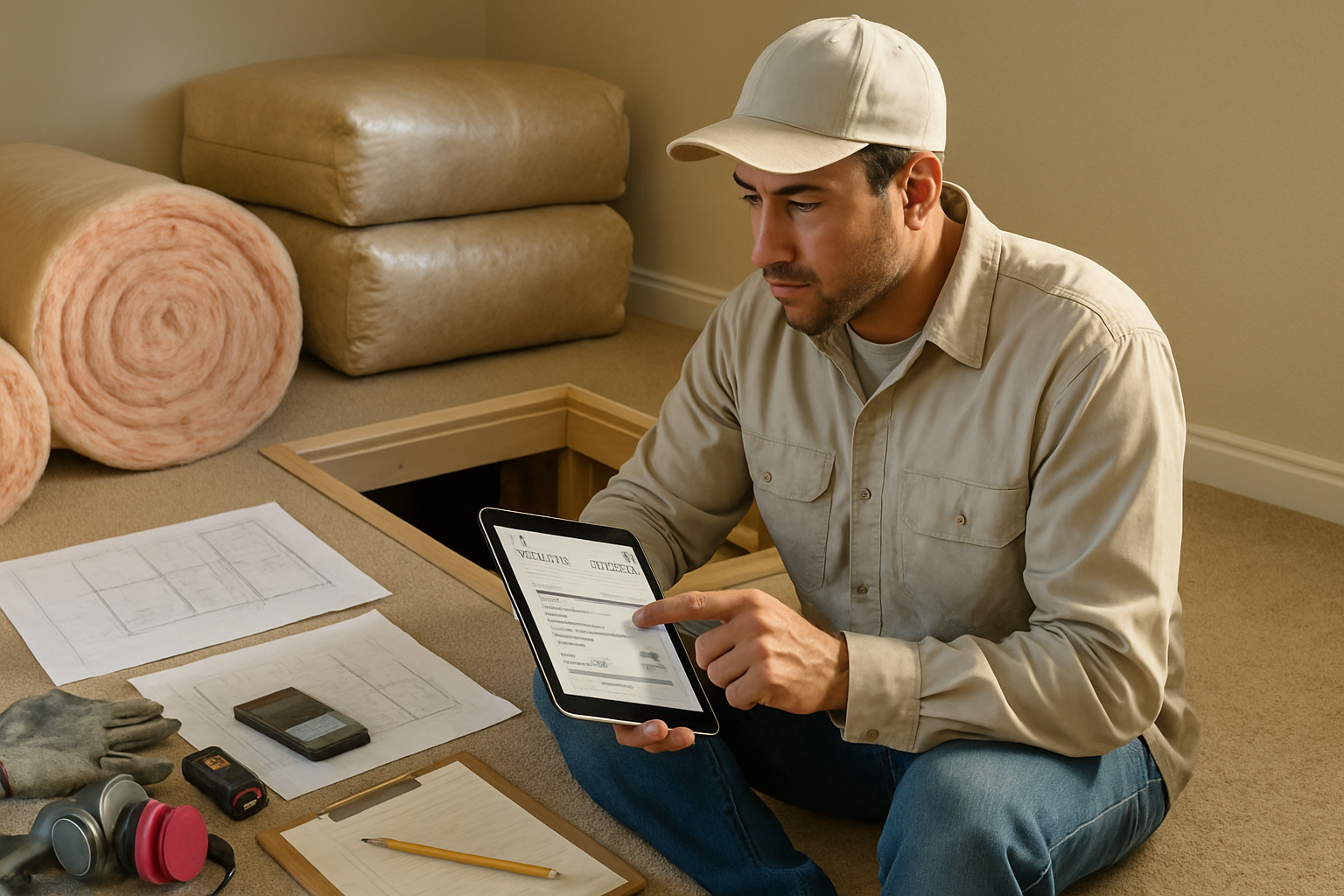
- Wide photos of the room, wall, ceiling, slab, crawlspace, attic, or mechanical area
- Close photos of existing piping, shutoffs, drains, vents, fixtures, equipment, access panels, and damage
- A short voice note explaining what the customer wants and what the tech noticed
- Measurements for pipe runs, fixture locations, trench lengths, or wall openings when plans are not available
- Photos of labels, model numbers, fixture selections, or water heater nameplates when relevant
The best AI workflow still needs good input. If the software cannot see an access issue or does not know the fixture count, it should flag the unknown instead of guessing.
2. Separate scope into clear sections
Plumbing estimates become easier to review when they are broken into sections such as:
- Demolition, disconnection, or removal
- Rough plumbing and reroutes
- Water supply piping
- Drain, waste, and vent work
- Fixtures, valves, trim, and connections
- Equipment such as water heaters, pumps, or filtration
- Testing, inspection coordination, cleanup, and exclusions
This structure helps the contractor explain the price. It also makes it easier to spot missing labor or materials before the estimate goes out.
3. Build a materials list, then review labor manually
Material quantities can often be drafted from plans, photos, and scope notes: pipe lengths, fittings, valves, connectors, fixtures, hangers, sleeves, insulation, drains, vents, cleanouts, and consumables. Labor should still be reviewed by the contractor because access, crew speed, building type, parking, shutoff coordination, and patch-back responsibility vary too much from job to job.
A small bathroom remodel in a single-family home is not the same as a unit turn in an older Los Angeles apartment building. A clean proposal should show the assumptions behind the labor so the contractor can adjust before sending.
4. Add exclusions and clarifying notes before pricing
Many plumbing disputes start with a scope gap, not a bad number. Before sending, check whether the estimate says who handles:
- Drywall, stucco, tile, paint, concrete, and finish patching
- Permit fees and inspection scheduling
- Hazardous materials or hidden conditions
- After-hours shutdowns or tenant coordination
- Fixture supply versus contractor-supplied materials
- Access panels, trench backfill, or cabinet modifications
Clear exclusions protect the contractor and help the customer understand what is actually included.
5. Follow up while the job is still warm
A bid sitting in an inbox does not help cash flow. Add a follow-up step to every plumbing estimate: same-day confirmation, next-day check-in, and a final scope question if the customer goes quiet. The follow-up should reference the actual job, not a generic sales message. For example: “Do you want us to include drywall patching after the shower valve relocation, or should we keep that excluded?”
Common mistakes in plumbing estimating software workflows
Avoid these problems when bringing AI or software into your bid process:
- Treating AI output as final without a contractor review
- Pricing from photos without asking for missing measurements
- Forgetting access, shutdowns, disposal, or inspection time
- Leaving patch-back responsibility unclear
- Mixing fixture allowances, owner-supplied materials, and contractor-supplied materials
- Sending a lump-sum number with no scope explanation
- Failing to follow up after the estimate is sent
The software should make your review easier. It should not remove your judgment.
How Estimado AI helps plumbing contractors work faster
Estimado AI is built around the idea that the contractor remains the senior estimator. The system helps turn blueprints, job photos, videos, and voice notes into a structured estimate draft with scope, material lists, labor review points, and a customer-ready proposal format. The contractor checks the details, edits assumptions, approves the number, and sends it.
For plumbing contractors, that kind of workflow can reduce the office time between a walkthrough and a bid. It can also make estimates more consistent because the same scope questions get checked every time: existing conditions, MEP impact, disturbed surfaces, code and permit review, unknowns, exclusions, and responsibility splits.
If your plumbing company wants to turn Los Angeles photos, plan sheets, walkthrough videos, voice notes, and scope decisions into cleaner bid drafts faster, join the Estimado AI waitlist.
Next step
Start by tightening your current bid checklist. Standardize how your team captures photos, measurements, fixture notes, exclusions, and follow-up tasks. Then use AI estimating software as a draft-and-review layer so your plumbing company can respond faster without giving up control of the final estimate.
FAQ
What should plumbing contractors look for in AI estimating software?
Look for software that accepts real job inputs such as photos, plans, videos, and voice notes, turns them into a clear scope, flags missing information, and keeps the contractor in control before the estimate is sent.
Can AI estimating software price California plumbing jobs automatically?
It can help draft quantities, scope, and proposal structure, but a contractor should still review labor, access, permit assumptions, local code issues, and final pricing before sending anything to a customer.
How can Los Angeles plumbing contractors use photos in estimating?
Photos help document existing piping, fixtures, access, wall openings, equipment labels, damage, and finish conditions. Pair them with measurements and voice notes so the estimate can separate included work from exclusions.
Is this only for service plumbing?
No. The same workflow can support repair, remodel, repipe, tenant improvement, and plan-based bid situations, as long as the estimator reviews assumptions and fills in job-specific details.