AI Estimating Software for North Carolina Contractors: Faster Bids for Charlotte, Coastal, and Mountain Jobs
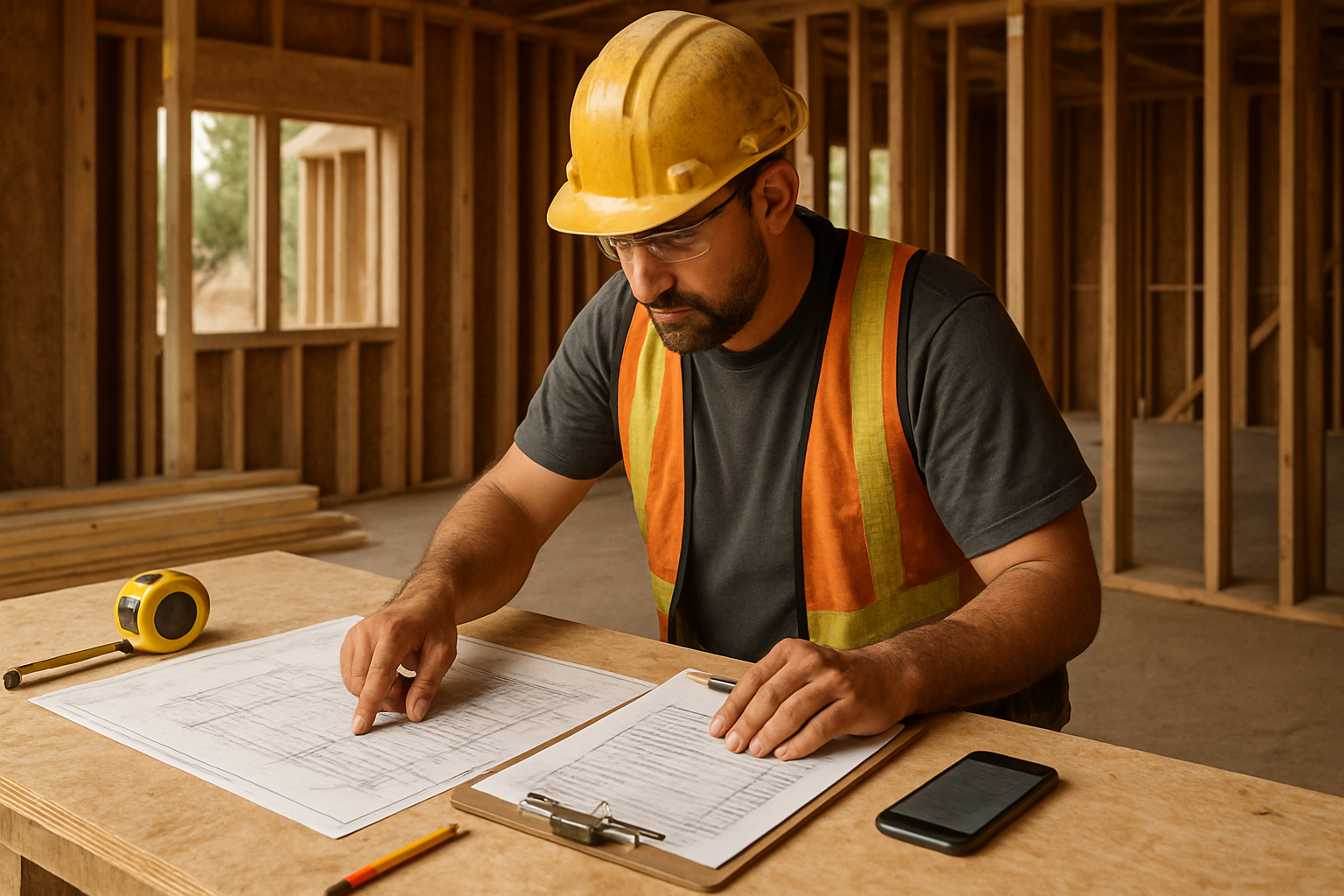
North Carolina contractors need faster, cleaner estimates for Charlotte remodels, coastal repairs, mountain jobs, and fast-moving service work. Here is how AI estimating software fits the workflow without taking the contractor out of the final decision.

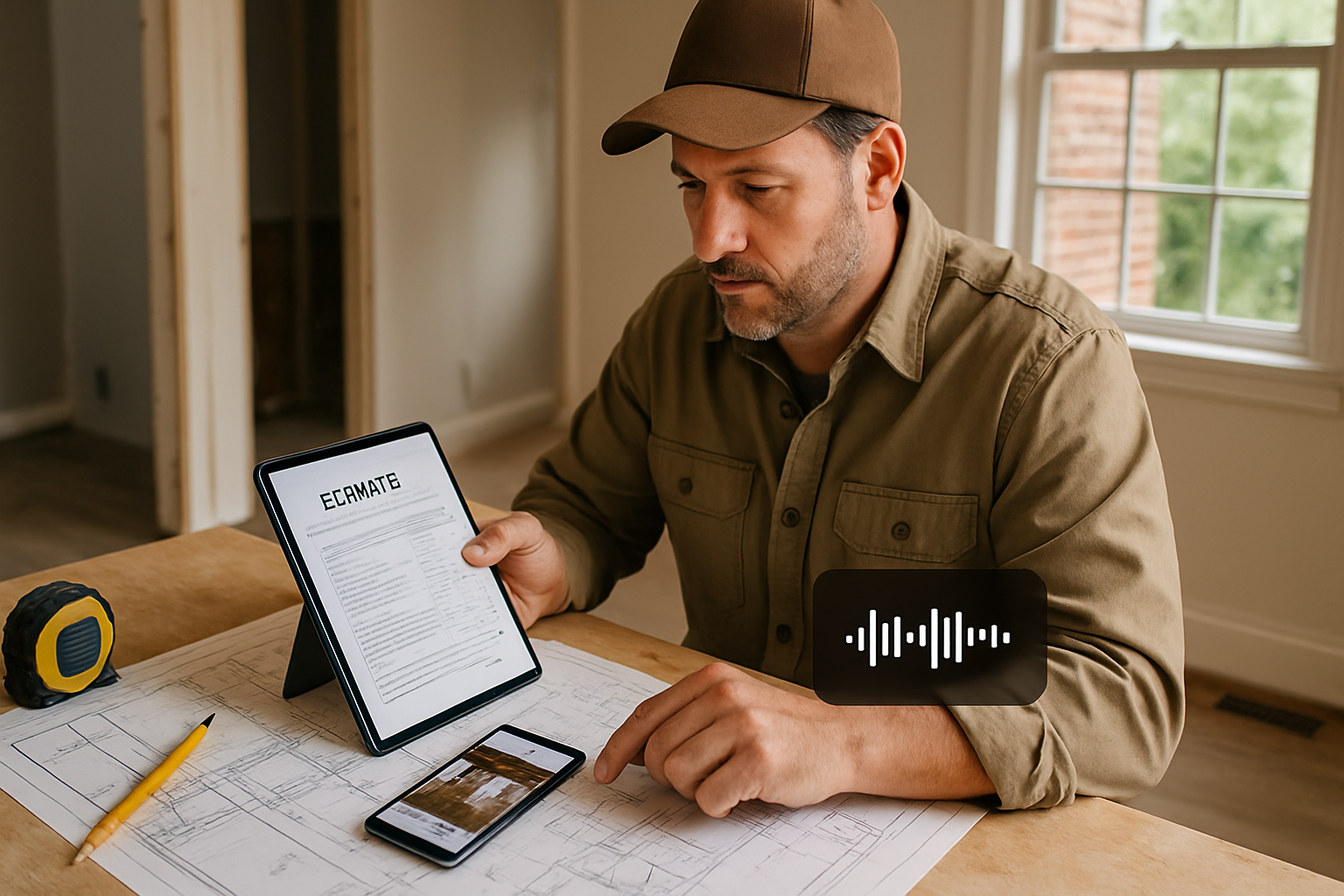
AI estimating software for North Carolina contractors should help a contractor move from lead to quote faster without turning the estimate into a black box. For North Carolina contractors, that means handling a wide mix of work: Charlotte remodels, Triangle tenant improvements, coastal repair scopes, Piedmont additions, and mountain jobs where access, moisture, and sequencing matter.
The point is not to let software make the final call. A good AI estimating workflow helps organize the job information, build a cleaner scope, flag missing details, and prepare a professional estimate for contractor review before anything goes to the customer.
AI estimating software for North Carolina contractors: the direct answer
AI estimating software for North Carolina contractors is useful when it helps you turn photos, blueprints, videos, voice notes, and text messages into a structured estimate faster than starting from scratch. The best fit is not “push one button and hope.” The best fit is a junior estimator workflow: gather the job information, reason through the scope, build quantities and line items, then let the contractor review the assumptions, pricing, and exclusions.
That matters because speed is often the difference between a clean bid and a stale lead. If a Charlotte homeowner sends photos of a bathroom remodel at 7 p.m., or a property manager in Raleigh sends a plan set for a small improvement project, the contractor who can respond with a clear, reviewed estimate has a better shot at controlling the conversation.
Why North Carolina jobs need tighter estimate workflows
North Carolina is not one estimating environment. Contractors work across several conditions that change how a bid should be built:
- Charlotte and the Piedmont: Fast residential growth, remodel work, additions, punch-list projects, and commercial service calls often require quick turnaround and clear scope boundaries.
- The Triangle: Raleigh, Durham, and Cary work can include a mix of owner-occupied remodels, tech-office improvements, and higher-expectation proposal presentation.
- Coastal North Carolina: Wilmington, the Outer Banks, and nearby counties can add wind exposure, flood-zone coordination, moisture, corrosion, and storm-repair considerations.
- Western North Carolina: Asheville and mountain-area projects can involve access issues, steep sites, freeze-thaw exposure, crawlspace moisture, and longer material runs.
- Rural markets: Smaller crews may cover larger service areas, which makes estimate rework and unnecessary site revisits expensive.
Those differences do not mean every estimate needs a long report. They mean the estimating system should leave room for real job context: location, access, existing conditions, local permit questions, materials, disposal, sequencing, and what is excluded from the price.
A practical AI-assisted bid workflow for North Carolina contractors
A useful workflow keeps the contractor in control while cutting down the office work.
1. Capture the job clearly before pricing
Start with the inputs you already have: job photos, a short walkthrough video, customer text messages, a voice note from the site visit, sketches, measurements, and any drawings or PDFs. For a Charlotte kitchen remodel, that might include cabinet layout photos, flooring transitions, appliance locations, wall openings, and a voice note explaining what the homeowner wants changed.
The estimating mistake is jumping straight to a number. The better move is to define what is actually included.
2. Build the scope before the price
Before labor and markup, list the work. For a remodel, that may include protection, demo, disposal, framing repair, drywall, trim, finish work, plumbing or electrical coordination, paint, cleanup, and customer selections. For a coastal repair job, add moisture investigation, exterior envelope notes, fastener/material considerations, and any permit or inspection assumptions.
AI can help draft this scope from messy inputs, but the contractor should verify it. If the software does not know a measurement, it should ask or flag the unknown instead of guessing.
3. Separate quantities, labor, allowances, and exclusions
A clean North Carolina contractor estimate should make it easy to see:
- material quantities or allowances
- labor line items
- equipment, delivery, or disposal costs
- permit or inspection assumptions
- customer-supplied items
- exclusions and change-order triggers
- open questions that must be answered before final approval
This is where many small contractors lose margin. The customer sees one lump sum, but the contractor has not clearly separated what is included, what is assumed, and what becomes extra.
4. Review local and job-specific risk before sending
North Carolina permitting and inspections can vary by local jurisdiction, so the estimate should not pretend every city handles work the same way. Charlotte/Mecklenburg, Raleigh, Wilmington, Asheville, and smaller towns may have different processes, review timelines, and trade inspection steps. Coastal and flood-prone work can also raise questions that do not apply to an inland bathroom repaint.
A good estimate does not need to teach code. It should simply avoid hiding those assumptions. If permit fees, engineering, flood-zone requirements, utility coordination, or HOA approvals are not included, say so clearly.
5. Send a professional estimate and follow up fast
Once the contractor reviews the final number, the customer-ready estimate should be easy to understand. It should show scope, line items, allowances, exclusions, payment terms, and next steps. Then the follow-up should happen while the customer still remembers the conversation.
Common estimating mistakes on North Carolina projects
The mistakes are usually simple, but expensive.
Pricing from memory instead of scope. A contractor remembers the last similar job and prices too quickly, missing demo, protection, haul-off, access, or trade coordination.
Treating coastal, Piedmont, and mountain work the same. Moisture, access, wind exposure, crawlspaces, steep driveways, and travel time can change the bid even when the trade work looks similar.
Leaving exclusions vague. If the estimate does not explain permits, hidden damage, customer selections, rot, mold, structural work, or change orders, the contractor ends up negotiating after the job starts.
Forgetting small line items. Delivery, disposal, floor protection, temporary dust control, permit trips, parking, equipment rental, and cleanup can quietly eat margin.
Sending estimates too slowly. When a lead waits several days for a price, the job often cools off or another contractor sets the scope first.
How Estimado AI helps
Estimado AI is being built as AI estimating software for contractors who want faster estimates without giving up control of the final number. The workflow is designed around contractor review: upload or capture the job information, let the system help structure the scope and estimate, then review, edit, approve, and send.
For North Carolina contractors, that can mean turning a Charlotte remodel walkthrough, a Wilmington repair photo set, or a Raleigh plan sheet into a cleaner first draft instead of starting with a blank spreadsheet. The contractor still checks measurements, pricing, assumptions, and exclusions. Estimado is the junior estimator at your right hand, not a replacement for your judgment.
If you want a faster way to turn photos, plans, videos, and job notes into estimates you still control, join the Estimado AI waitlist.
Next step
If you are bidding North Carolina jobs and your bottleneck is turning site information into a clean estimate, start by tightening your capture process: photos, measurements, voice notes, drawings, exclusions, and follow-up. Then use AI where it saves time without removing your professional review.
FAQ
Is AI estimating software accurate enough for North Carolina contractors?
It can be useful when it supports a review-based workflow. Contractors should still verify quantities, labor, assumptions, code or permit issues, and pricing before sending the estimate. The safest approach is AI-assisted estimating, not blind autopilot.
Can AI estimate from job photos and videos?
AI can help interpret photos and videos, organize visible conditions, and draft scope notes. If a measurement or condition is not clear, the system should flag the unknown or ask for more information instead of inventing a number.
What should North Carolina contractors include in a professional estimate?
A professional estimate should include scope of work, line items, materials or allowances, labor, exclusions, payment terms, permit assumptions, change-order triggers, and the next step for approval.
Does North Carolina require the same estimating process in every city?
No. The estimating structure can be consistent, but permit processes, inspection steps, coastal exposure, access, and customer expectations can vary by city and county. Contractors should note the local assumptions that affect the bid.
Is Estimado AI a fully automated estimator?
No. Estimado is designed to help contractors prepare estimates faster while keeping the contractor in the loop. The contractor reviews, edits, approves, and sends the final estimate.