AI Estimating Software for Landscaping Contractors in Texas: Faster Houston Bids From Photos, Plans, and Voice Notes
A practical Texas landscaping estimating workflow for turning photos, plans, and voice notes into cleaner bids without losing contractor control.


AI estimating software for landscaping contractors in Texas is useful when it helps a contractor move from field notes to a scoped proposal faster without guessing at quantities, labor, or site conditions. For Houston landscaping contractors, that means more than counting plants. A good bid may need drainage notes, irrigation scope, soil prep, turf or sod quantities, mulch depth, edging, hardscape materials, access constraints, haul-off, and a follow-up plan after the estimate is sent.
Texas landscaping work also has local friction. Heat, sudden rain, heavy clay soils, irrigation rules, utility locates, HOA expectations, and tight subdivision access can all change the scope. The best estimating workflow captures those details early so the office is not rebuilding the job from memory at 8:30 at night.
Key takeaway: AI should organize the bid, not replace the landscaper
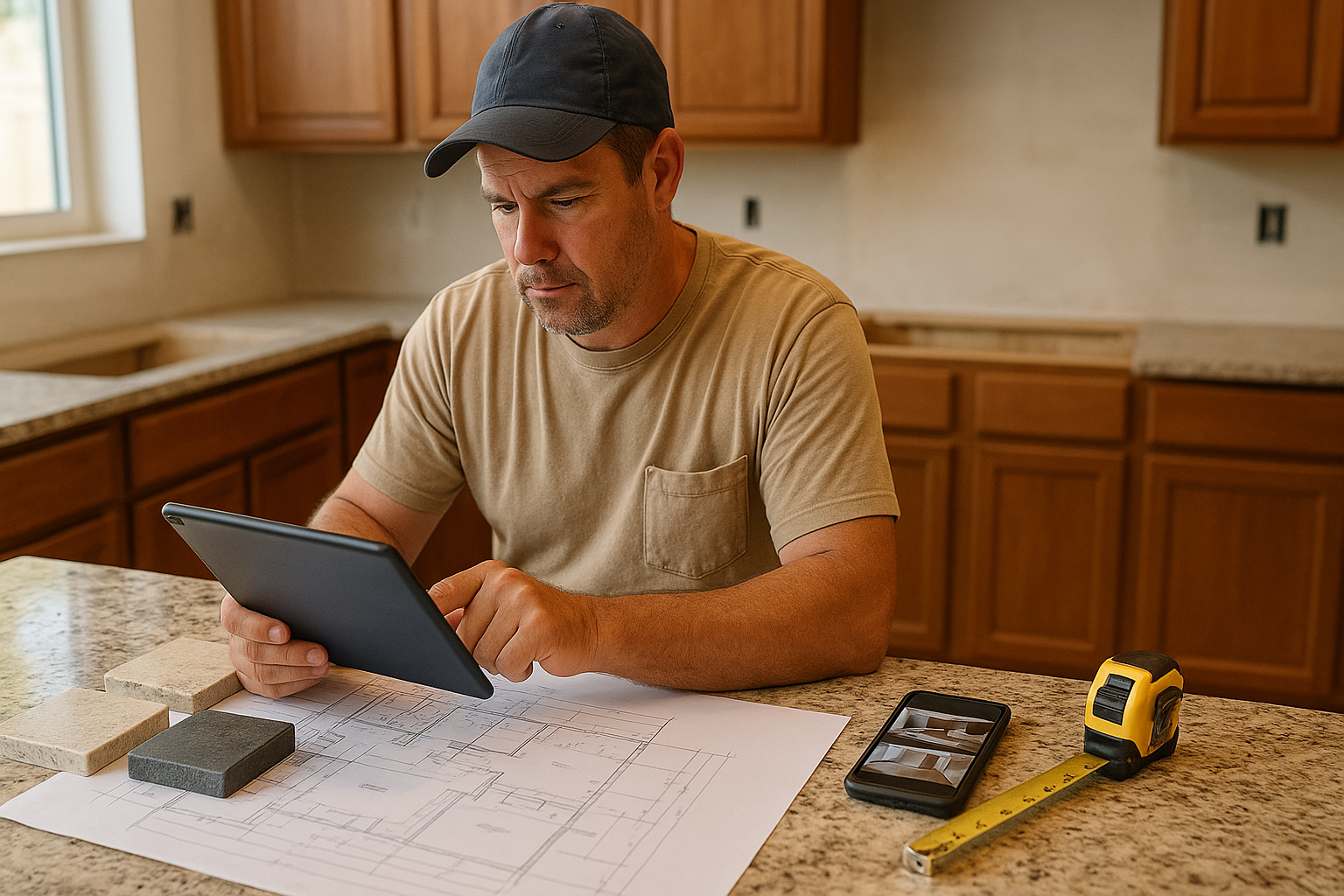
AI estimating software for landscaping contractors in Texas should act like a junior estimator at the contractor's side. It can help organize job photos, blueprint markups, video walkthroughs, and voice notes into an estimate draft. The contractor still reviews the scope, adjusts production rates, checks material choices, confirms exclusions, and approves the final number before anything goes to the customer.
That distinction matters. Landscaping estimates are full of judgment calls. A photo may show a side yard that looks accessible, but the crew knows whether a skid steer fits. A plan may show planting beds, but the estimator still needs to decide whether soil amendment, grading, drainage correction, or irrigation repair belongs in the base scope or as an option.
Why this matters for Houston landscaping contractors
Houston landscaping bids often combine several small scopes into one customer-facing proposal. A backyard refresh may include demolition, haul-off, grading, French drain work, new sod, planting beds, mulch, irrigation head adjustment, and a small paver path. If those items are estimated in separate texts, photos, and notebook pages, it is easy to miss something.
The biggest estimating risk is not always the plant count. It is the hidden scope between the obvious items:
- Removing old rock, edging, dead shrubs, or failed sod before installation.
- Accounting for wet access, clay soil, and drainage correction before planting.
- Separating irrigation troubleshooting from irrigation installation.
- Clarifying whether plant warranty, maintenance, or watering instructions are included.
- Pricing delivery, equipment, disposal, and crew mobilization on small jobs.
- Calling out utility locate responsibility before digging or trenching.
A cleaner workflow makes the proposal easier to review and easier for the customer to understand. It also helps the contractor follow up because the estimate has clear options instead of one confusing lump sum.
A practical landscape estimating workflow from field visit to proposal
Use this workflow for residential landscaping, drainage, planting, sod, and light hardscape jobs around Houston or other Texas markets.
1. Capture the site before talking price
Take wide photos from each corner of the work area, then close-ups of problem spots: standing water, dead turf, grade changes, fence gates, hose bibs, irrigation heads, downspouts, roots, existing edging, and access from the street. If the customer has a plan or inspiration image, save it with the job record.
For larger jobs, record a short voice note while walking the site. Say what you see in plain language: "Back left corner holds water, customer wants sod replaced, existing sprinkler coverage looks weak, gate is about three feet wide, old mulch needs removal." Those notes are often more useful than trying to remember details later.
2. Break the job into scope groups
Landscaping estimates get messy when everything is treated as one line. Group the bid by work type:
1. Site prep and demolition
2. Grading, soil, and drainage
3. Irrigation adjustment or repair
4. Planting and bed installation
5. Sod, turf, seed, or groundcover
6. Mulch, rock, edging, and finishing
7. Hardscape or paver work
8. Cleanup, haul-off, and warranty notes
This structure helps the customer see what they are paying for and helps your crew understand what is included.
3. Quantify materials with assumptions written down
For planting beds, record square footage, mulch depth, edging length, plant sizes, spacing, and soil amendment assumptions. For sod, measure usable square footage and call out waste or cut-up areas. For drainage, note trench lengths, pipe type, discharge location, catch basin count, fabric, gravel, and restoration.
AI can help turn photos, plan notes, and voice notes into a first pass, but the contractor should verify dimensions and production assumptions before pricing.
4. Price labor by crew reality, not generic averages
Landscape labor changes with access, weather, demolition, equipment, and sequencing. A simple mulch refresh is not the same as hauling material through a narrow townhome gate in July. Separate labor for prep, install, irrigation, drainage, and cleanup so you can adjust the risky parts without padding the whole estimate blindly.
5. Add exclusions and options before sending
Good landscaping proposals make the gray areas visible. Consider clear notes such as:
- Utility locating required before trenching or digging.
- Irrigation repairs beyond listed scope are excluded unless approved.
- Drainage performance depends on final grade and discharge conditions.
- Plant survival depends on watering, maintenance, and site conditions.
- HOA approvals, permits, or municipality requirements are by owner unless stated otherwise.
Options can also help close the job. For example: base sod replacement, add-on bed refresh, and premium drainage correction can be presented separately instead of forcing one large number.
Common estimating mistakes to avoid
Bidding from memory after the visit. If the estimator waits until the end of the day, small but expensive details disappear: access, haul-off, root removal, slope, broken irrigation heads, or extra prep.
Combining drainage and landscaping without boundaries. A customer may ask for "new sod," but the yard may need grading or drainage work first. Separate the beautification scope from the correction scope.
Not documenting plant sizes and substitutions. A 3-gallon shrub and a 7-gallon shrub can change both material and labor. Write plant size, spacing, and substitution rules into the proposal.
Forgetting mobilization on small jobs. A small Houston job can still require delivery, dump fees, equipment pickup, and crew travel. Those costs belong in the estimate.
Sending one lump sum with no follow-up plan. A clear scope with alternates gives you a reason to follow up: "Do you want to keep the drainage option in, or start with the bed and sod package?"
How Estimado AI fits into the workflow
Estimado AI is being built as AI estimating software for contractors who want faster, cleaner estimate drafts while keeping the contractor in control. For landscaping contractors, the useful workflow is simple: upload job photos, plans, videos, or voice notes; let the system organize the visible scope and questions; then review quantities, labor, exclusions, and customer-facing language before sending.
Estimado is not a magic bid button. It is closer to a junior estimator that helps collect the job details, structure the scope, and reduce office rework. The contractor remains the senior estimator and approves the final proposal.
For more contractor estimating workflows, you can also browse the Estimado blog.
Next step
If your landscaping crew is ready to turn photos, plans, and field notes into cleaner bid drafts without adding another office role, join the Estimado AI waitlist.
FAQ
What should landscaping estimating software help with?
It should help organize photos, measurements, notes, materials, labor categories, exclusions, options, and follow-up steps. For landscapers, that often includes planting, sod, mulch, irrigation, drainage, hardscape, access, and cleanup.
Can AI estimate a landscaping job from photos alone?
Photos can help identify scope, access, and visible conditions, but they do not replace contractor review. Measurements, soil conditions, irrigation issues, drainage paths, plant choices, and customer expectations still need confirmation before pricing.
What is different about estimating landscaping jobs in Texas?
Texas landscapers often deal with heat stress, irrigation needs, stormwater and drainage issues, clay soils in many areas, utility locates before digging, and local HOA or municipality requirements. Those details should be captured in the estimate instead of handled after the job starts.
Should a landscaping contractor include exclusions in every proposal?
Yes. Exclusions protect both sides. They clarify what is included, what requires approval, and what conditions may change the price, such as hidden irrigation repairs, poor drainage, utility conflicts, or plant maintenance after installation.
How can faster estimates help close more landscaping jobs?
Speed helps when the estimate is also clear. A faster proposal with line-item scope, options, and clean follow-up language gives the customer fewer reasons to delay and gives the contractor a better reason to re-engage after sending the bid.