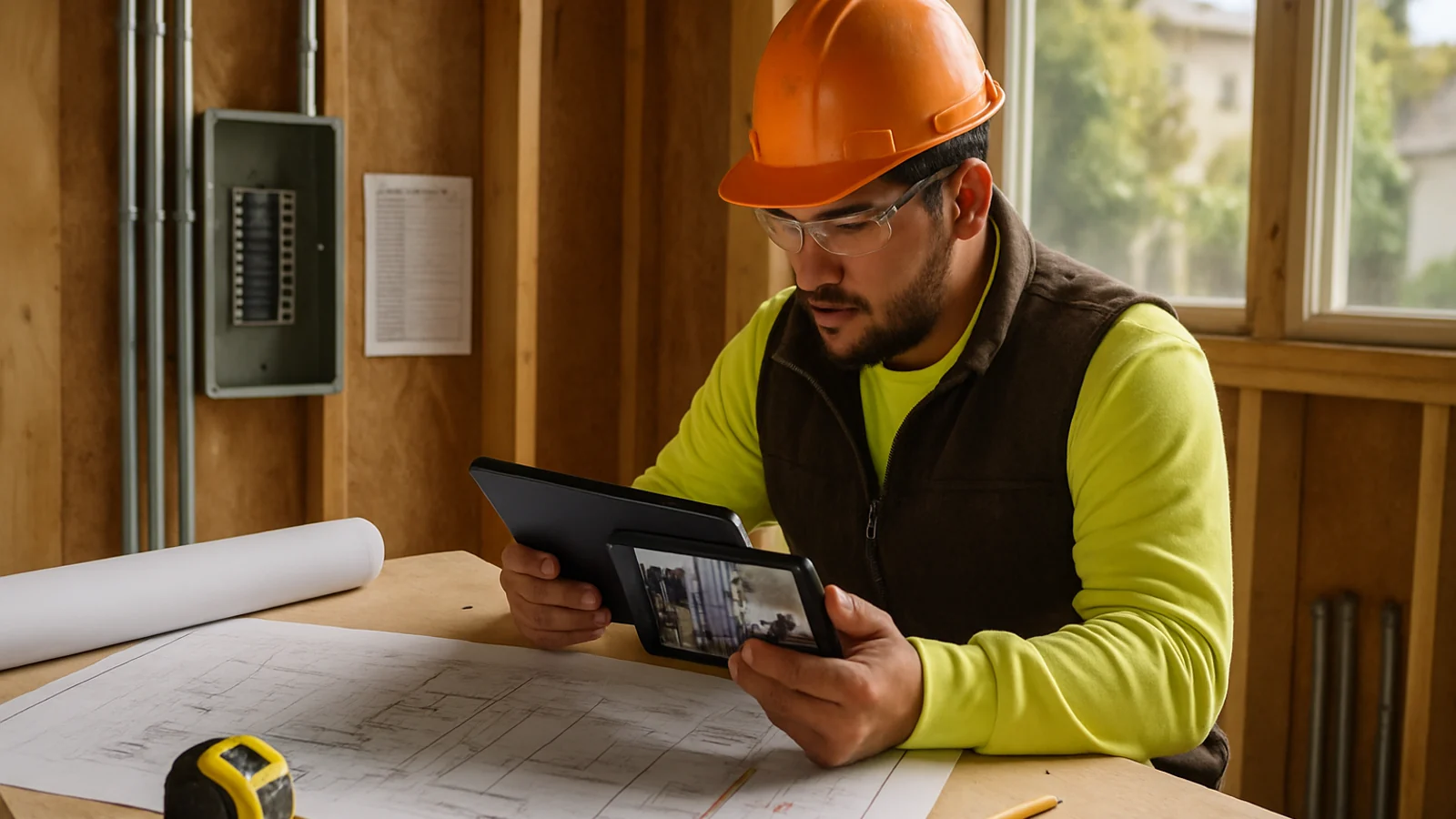
AI Estimating Software for HVAC Contractors in California: Faster Los Angeles Changeout, Duct, and Service Bids
A practical workflow for California HVAC contractors who want faster Los Angeles changeout, duct, and service bids without losing control of scope.

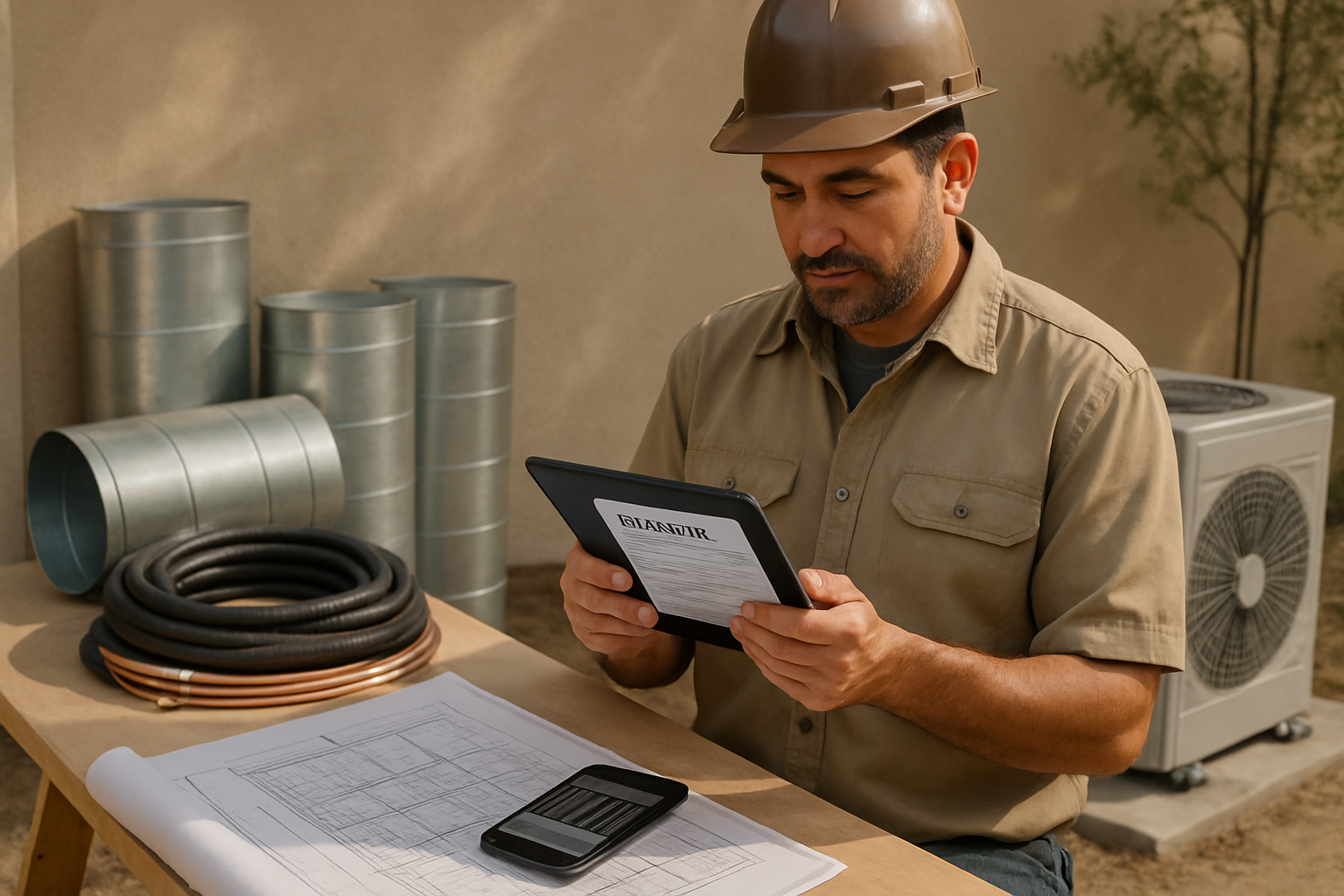
AI estimating software for HVAC contractors in California is most useful when it helps turn messy field inputs—photos, plan sheets, videos, and voice notes—into a cleaner scope before the contractor prices the job. For Los Angeles HVAC contractors, the speed matters, but so does control. California jobs can involve permits, energy-code documentation, duct details, electrical coordination, access constraints, and customer expectations around fast proposals.
The goal is not to let software guess the final number. The goal is to get from lead to review-ready estimate faster, with fewer missed line items and clearer assumptions.
Direct answer: where AI fits in an HVAC estimate
AI fits best in the estimating workflow before the final contractor review. A strong HVAC estimating process still needs a licensed, experienced contractor to verify equipment sizing assumptions, existing conditions, code requirements, labor difficulty, and final price. But AI can help organize the job information faster.
For a typical California HVAC lead, the AI-assisted workflow looks like this:
1. Collect photos, plan sheets, customer notes, and voice memos.
2. Identify the job type: changeout, add-on, duct replacement, mini-split, service repair, or plan-based bid.
3. Extract visible scope items, access issues, equipment notes, and missing information.
4. Build a draft scope of work and material/labor checklist.
5. Flag clarifying questions before the contractor commits to price.
6. Create a professional estimate packet the contractor can review, edit, approve, and send.
That is the practical value: fewer scattered notes, faster first draft, and a cleaner handoff from field visit to proposal.
Why this matters for California HVAC contractors
California HVAC estimating has enough moving parts that a rushed quote can become expensive fast. A Los Angeles changeout is not just “replace condenser and coil.” The estimate may need to account for equipment access, line-set condition, condensate routing, thermostat work, electrical disconnects, attic or roof work, duct condition, airflow concerns, hauling, startup, permit assumptions, and any required testing or documentation.
The same contractor may also be bidding small service work, duct replacement, and a plan-based light commercial job in the same day. If every estimate starts from a blank page, follow-up slows down.
For California work, the estimate should call out what is included versus excluded around permits, Title 24/energy-code paperwork, duct testing, HERS-related requirements when applicable, electrical corrections, drywall patching, roof penetrations, and structural work. Those items are not always part of the HVAC contractor’s base price, but they should not be invisible.
A practical AI-assisted HVAC estimating workflow
Use AI estimating software as a checklist engine and first-draft estimator, not as a replacement for judgment. Here is a practical workflow for California HVAC contractors.
1. Start with job type and outcome
Before measuring anything, label the job correctly:
- Straight equipment changeout
- Furnace, coil, and condenser replacement
- Heat pump conversion
- Duct repair or full duct replacement
- Mini-split installation
- Zoning or controls upgrade
- Service repair with optional replacement quote
- Plan-based HVAC bid for remodel or tenant improvement work
That one label changes the estimate. A heat pump conversion may need different electrical review. A duct replacement needs access and disposal notes. A plan-based bid needs sheet references, equipment schedules, and exclusions.
2. Capture field evidence while it is fresh
On the jobsite, collect photos of the equipment nameplate, attic or closet access, condenser pad, disconnect, line-set route, supply and return locations, duct condition, thermostat, condensate, roof access if relevant, and any tight working areas. Add a short voice note with the customer’s goal and anything you promised verbally.
AI can help turn that pile of evidence into a structured scope. The contractor should still verify every line, but the software can reduce the chance that a detail dies in someone’s camera roll.
3. Build scope by system, not by memory
Break the estimate into sections:
- Equipment and accessories
- Ductwork and airflow items
- Refrigerant piping and condensate
- Electrical and controls
- Demolition, haul-off, and disposal
- Startup, testing, and documentation
- Permits and inspection assumptions
- Exclusions and customer responsibilities
This structure makes the bid easier to review and easier for the customer to understand. It also helps your team see what is missing before the quote goes out.
4. Separate confirmed facts from assumptions
A clean HVAC estimate should not hide uncertainty. If access is unknown, say it. If drywall patching is excluded, say it. If the existing line set may need replacement after inspection, make that clear. If a permit or third-party test is required by the local jurisdiction, explain whether it is included or handled separately.
This is where AI can help by flagging missing inputs: equipment tonnage, breaker size, duct condition, roof access, attic clearance, customer preference, permit jurisdiction, and whether the contractor has photos of the existing installation.
5. Follow up with useful scope notes
Fast estimates are only half the job. A good follow-up reminds the customer what is included, what decisions are needed, and what is excluded. That is more useful than a generic “just checking in.”
Common HVAC estimating mistakes to avoid
The biggest estimating mistakes usually come from skipped assumptions, not bad math.
- Pricing a changeout without checking access. Attic, roof, closet, and tight side-yard access can change labor quickly.
- Forgetting duct condition. Equipment replacement does not fix undersized, leaking, or damaged ducts.
- Leaving permit and testing assumptions vague. California jobs should identify who handles permits, inspections, and required documentation when applicable.
- Missing electrical coordination. Disconnects, breakers, circuits, panel capacity, and code corrections can affect scope.
- Quoting from photos without clarifying unknowns. Photos help, but they do not replace measurements, model verification, or contractor review.
- Sending a one-line proposal. Customers compare bids more confidently when the included scope is clear.
How Estimado AI helps HVAC contractors estimate faster
Estimado AI is built for contractors who want a faster path from raw job information to a professional estimate. For HVAC work, that means using photos, blueprints, videos, and voice notes to help build a structured draft scope, material checklist, labor breakdown, and customer-ready estimate for contractor review.
The contractor stays in control. Estimado is not meant to auto-send a quote or override your judgment. It acts more like a junior estimator that organizes the job, points out missing information, and gives you a cleaner draft to approve.
For a Los Angeles HVAC contractor, that can mean less time rebuilding the same proposal structure from scratch and more time checking the details that actually affect profit: access, ductwork, equipment assumptions, permits, exclusions, and follow-up.
Next step
If you want HVAC estimates that move faster from job photos, plan sheets, and field notes to a professional proposal, join the Estimado AI waitlist and see how Estimado can fit into your estimating workflow without taking control away from you.
FAQ
What is the best AI estimating software for HVAC contractors in California?
The best fit is software that supports real HVAC workflow: photos, plans, scope notes, material lists, labor review, exclusions, and contractor approval. California contractors should also look for a process that makes code, permit, and testing assumptions visible instead of burying them.
Can AI estimate an HVAC job from photos?
AI can help organize visible conditions from photos and turn them into a draft scope, but photos alone are not enough for every HVAC estimate. The contractor still needs to verify equipment data, measurements, access, electrical conditions, code requirements, and unknowns before sending a price.
Should HVAC contractors use AI for plan-based bids?
Yes, AI can help summarize plans, schedules, sheet notes, and scope items, especially when the contractor is reviewing multiple bid opportunities. The final quantity checks, exclusions, alternates, and labor assumptions still belong with the contractor.
How can HVAC contractors avoid underbidding California jobs?
Use a repeatable checklist for access, ductwork, electrical, permits, inspections, equipment, piping, condensate, disposal, and exclusions. Underbids often happen when a category is skipped.
Does Estimado AI send estimates automatically?
No. Estimado is designed to keep the contractor in the loop. The software helps prepare the estimate, but the contractor reviews, edits, approves, and decides when to send it.