AI Estimating Software for Hawaii Contractors: Faster Bids Across Islands, Remodels, and Coastal Jobs
Hawaii contractors deal with island logistics, coastal conditions, county permit differences, and tight response windows. Here is how AI-assisted estimating can help create faster, cleaner bids without taking the contractor out of the review seat.

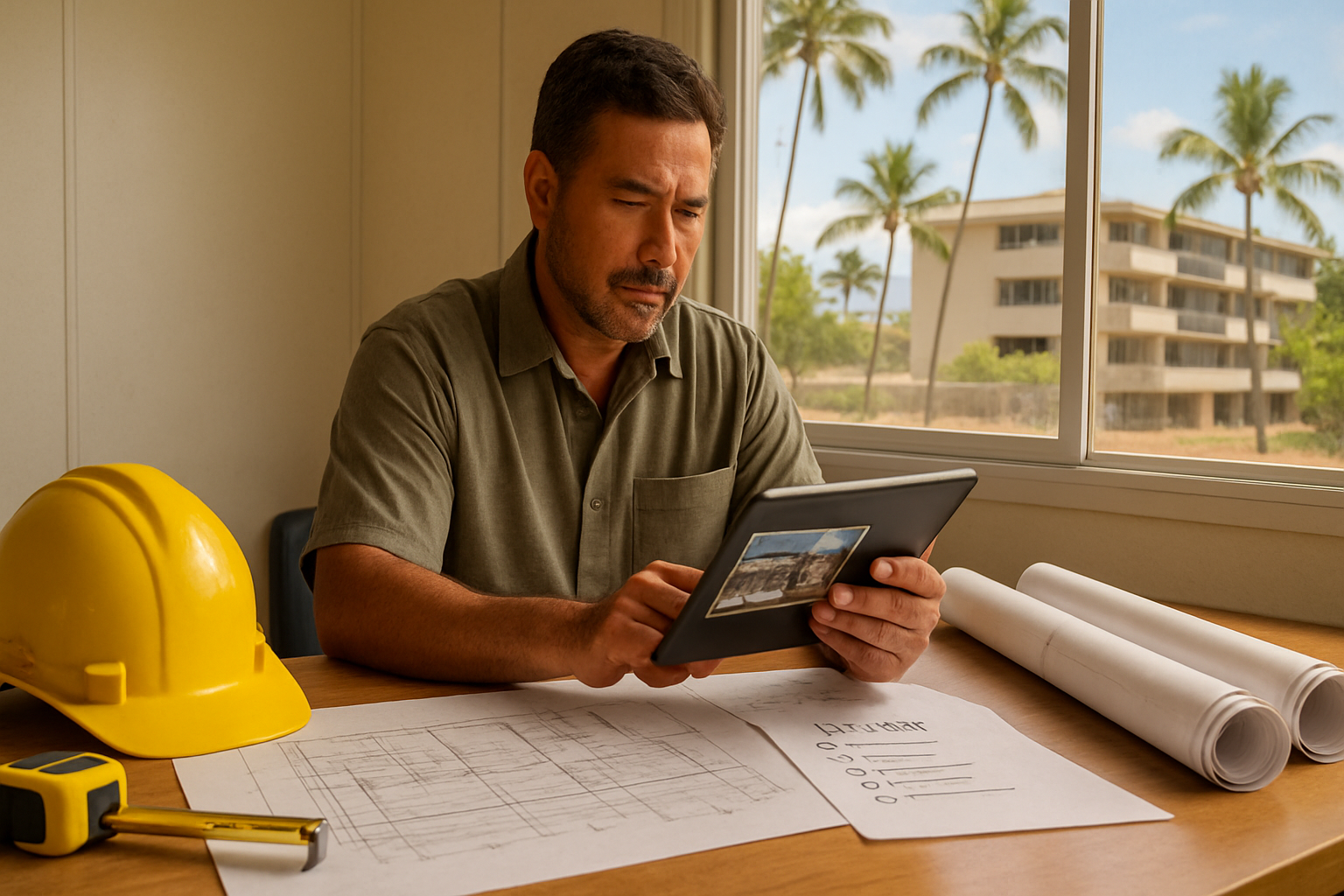
AI estimating software for Hawaii contractors can help small and mid-sized contractors create cleaner bids from job photos, blueprints, videos, and voice notes without adding more office overhead. In Hawaii, that matters because the estimate is rarely just a material list. Contractors have to think about island logistics, freight timing, coastal exposure, rainy-season scheduling, county permitting, access, and the labor realities of working across Honolulu, Maui, Hawaii Island, Kauai, and smaller communities.
The goal is not to let software “set it and forget it.” A good AI estimating workflow gives the contractor a faster first draft, a better checklist, and fewer missed scope items. The contractor still reviews the scope, adjusts labor, confirms materials, and approves the final bid before it goes to the customer.
Key takeaway: AI should speed up the estimate, not remove the contractor
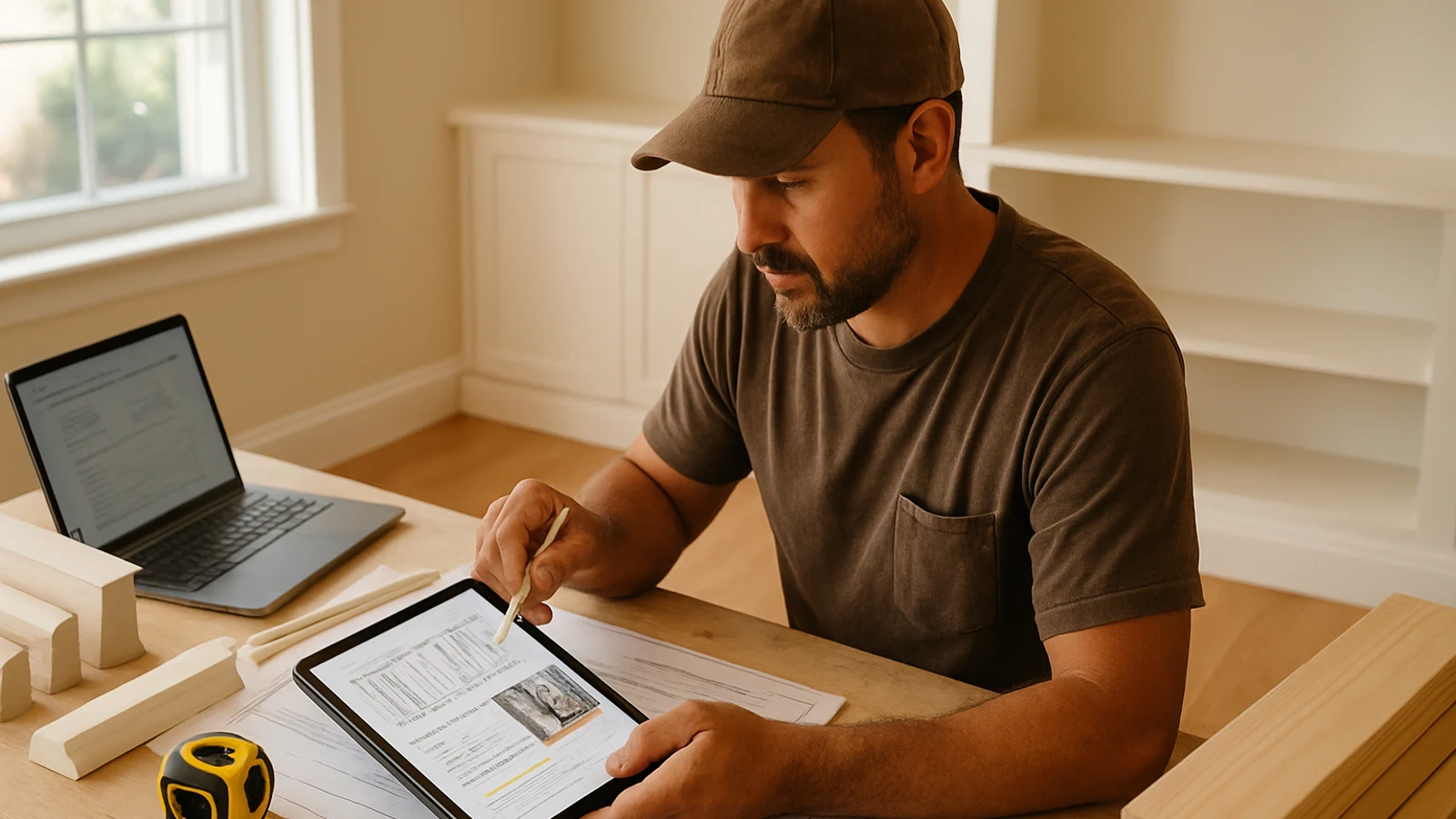
For Hawaii contractors, the best use of AI estimating software is to turn messy job information into an organized estimate draft quickly. That can include:
- Photos from a walk-through in Honolulu or Kapolei
- A short video showing access, stairs, parking, and material staging
- Blueprints or PDF plan sheets for a remodel or light commercial buildout
- A voice note explaining the customer’s priorities
- Field notes about weather exposure, corrosion, disposal, or travel time
The AI-assisted draft should give you a starting structure: scope of work, likely materials, quantities to verify, labor categories, exclusions, and clarifying questions. Your job is to review the draft like the senior estimator, tighten the risk items, and send a professional proposal.
Why this matters for Hawaii contractors
Hawaii estimating has real local friction. A mainland contractor may be able to assume fast supplier replacement, easy trucking, or a large labor pool. Hawaii contractors usually cannot be that casual.
A practical Hawaii estimate often needs to account for:
- Freight and lead times. Special-order materials, fixtures, doors, cabinets, tile, and finish items can affect both schedule and price.
- Island-specific mobilization. Work on Oahu is different from a neighbor island job that requires flights, ferry planning where available, lodging, or tighter staging.
- Salt air and corrosion. Exterior fasteners, hardware, coatings, railings, and mechanical equipment may need better material choices near the coast.
- Rain and humidity. Painting, exterior repairs, roofing tie-ins, concrete work, waterproofing, and finish cure times may need weather-aware scheduling assumptions.
- Permit differences. Requirements can vary by county and project type, so the estimate should flag permit responsibility instead of burying it.
- Access constraints. Condos, hillside homes, resort properties, military-adjacent work, tight streets, limited parking, and elevator rules can change labor time.
This is where estimating speed and estimating discipline need to work together. The faster you can organize the job, the easier it is to respond while the lead is warm. The more complete your scope review is, the less likely you are to eat hidden work later.
A practical AI estimating workflow for Hawaii jobs
Use this workflow when a lead comes in from a homeowner, property manager, GC, or small commercial client.
1. Capture the job like an estimator, not like a photographer
Ask for photos that answer estimating questions. For a remodel, you want wide shots, corners, transitions, existing damage, access paths, exterior exposure, and anything that might hide extra work. For plan-based work, upload the relevant sheets and any addenda or sketches.
If you are using video, walk the job slowly and narrate what matters: “Customer wants this wall opened, existing tile stays, parking is one block away, materials must come up the elevator, building requires weekday work only.”
2. Add a short voice note with the real scope
Photos show conditions, but they do not always show intent. A voice note gives the estimate context: what the customer wants, what you promised to include, what is excluded, what is optional, and what you still need to verify.
For Hawaii projects, mention island, neighborhood, access, staging, disposal, weather exposure, and whether any material is special order.
3. Let the software organize the first draft
AI estimating software can help turn those inputs into a draft scope and line-item structure. For example, it can separate demolition, prep, material, installation, disposal, permit allowance, travel/mobilization, and customer-facing alternates.
That draft saves time, but it should not be treated as final. It is a working estimate that needs contractor review.
4. Review quantities, labor, and risk items manually
Before sending the bid, check the numbers that can hurt you:
- Quantities and measurements
- Waste factors and material assumptions
- Labor productivity for access or weather limitations
- Freight, delivery, and special-order timing
- Disposal and hauling
- Permit responsibility and inspection assumptions
- Exclusions for hidden damage, rot, termite damage, corrosion, or substrate failure
Labor is especially important. Your crew speed, travel time, and staging constraints are not generic. Keep your own labor judgment in the estimate.
5. Send a clean proposal while the lead is still active
A fast estimate is useful only if it becomes a professional bid. The final proposal should make the scope easy to understand, show what is included, list exclusions clearly, and explain alternates when appropriate.
For contractors competing in Honolulu, resort work, military housing areas, and neighbor island markets, a clean proposal can separate you from contractors who send vague text-message pricing.
Common mistakes to avoid
Treating Hawaii like a generic mainland market
Do not bury freight, special-order timing, island travel, or access in your overhead and hope it works out. Put the assumptions in the estimate so the customer understands what drives the price.
Leaving permit responsibility vague
If the customer, GC, property manager, or contractor is responsible for permits, say so. If the requirement is uncertain, flag it as a clarification item before the job starts.
Trusting photos without asking for measurements
Photos help, but some quantities still need dimensions. Good software should ask for missing measurements instead of guessing. Bad guesses become bad bids.
Sending a fast estimate with weak exclusions
Speed is not the same as discipline. Hidden rot, corrosion, moisture damage, substrate failure, lead paint, asbestos risk, HOA rules, condo access, and after-hours restrictions should be addressed when relevant.
How Estimado AI helps
Estimado AI is built for contractors who want a faster estimating workflow while keeping control of the final number. The contractor can bring in photos, blueprints, videos, voice notes, and job descriptions, then use Estimado to organize scope, materials, quantities to verify, labor categories, and a customer-ready estimate draft.
For Hawaii contractors, that means the estimate can start with the real project context: island, access, coastal exposure, schedule constraints, and open questions. Estimado is not a magic autopilot and it does not replace your judgment. Think of it as a junior estimator at your right hand: fast, structured, and always reviewed by you before anything is sent.
If your team wants estimates that move faster without giving up contractor review, join the Estimado AI waitlist.
Next step
If you are bidding Hawaii work from photos, plans, and field notes, start by tightening your input process. Capture better job information, make risk items visible, and review every AI-assisted estimate before sending it. Faster bids are valuable, but only when the scope is clear enough to protect the job.
FAQ
What is AI estimating software for Hawaii contractors?
It is software that helps turn project inputs such as photos, blueprints, videos, voice notes, and written scope into a structured estimate draft. The contractor still reviews quantities, scope, labor, pricing, exclusions, and the final number before sending.
Why do Hawaii estimates need extra attention compared with mainland jobs?
Hawaii jobs often involve island-to-island travel, freight lead times, salt-air exposure, humidity, rain windows, limited supplier options, and county-specific permit requirements. Those details can affect schedule, materials, labor planning, and exclusions.
Can AI estimating software replace a Hawaii contractor's judgment?
No. Estimating still needs contractor judgment, especially for access, site conditions, labor productivity, code questions, and risk. The best use is to organize information faster and create a draft that the contractor can check and adjust.
What should contractors include when using AI to estimate from photos?
Include wide room or exterior shots, closeups of problem areas, measurements where possible, access notes, material preferences, deadline notes, and a voice memo explaining what the customer wants done.