AI Estimating Software for Concrete Contractors in Arizona: Faster Phoenix Slab, Driveway, and Flatwork Bids
Arizona concrete contractors can use AI estimating workflows to turn Phoenix photos, plans, and site notes into faster slab, driveway, and flatwork bids.


AI estimating software for concrete contractors in Arizona is useful when it helps a contractor move from job information to a clean scope, quantity list, labor review, and follow-up plan without losing control of the final number. For Phoenix concrete crews, that usually means faster bids for slabs, driveways, patios, stem walls, sidewalks, repair work, and light commercial flatwork where heat, access, subgrade, reinforcement, and finish details can change the price fast.
The goal is not to let software guess your margin. The goal is to stop rebuilding the same estimate from scratch every night after the crew is done.
AI estimating software for concrete contractors in Arizona: the practical takeaway
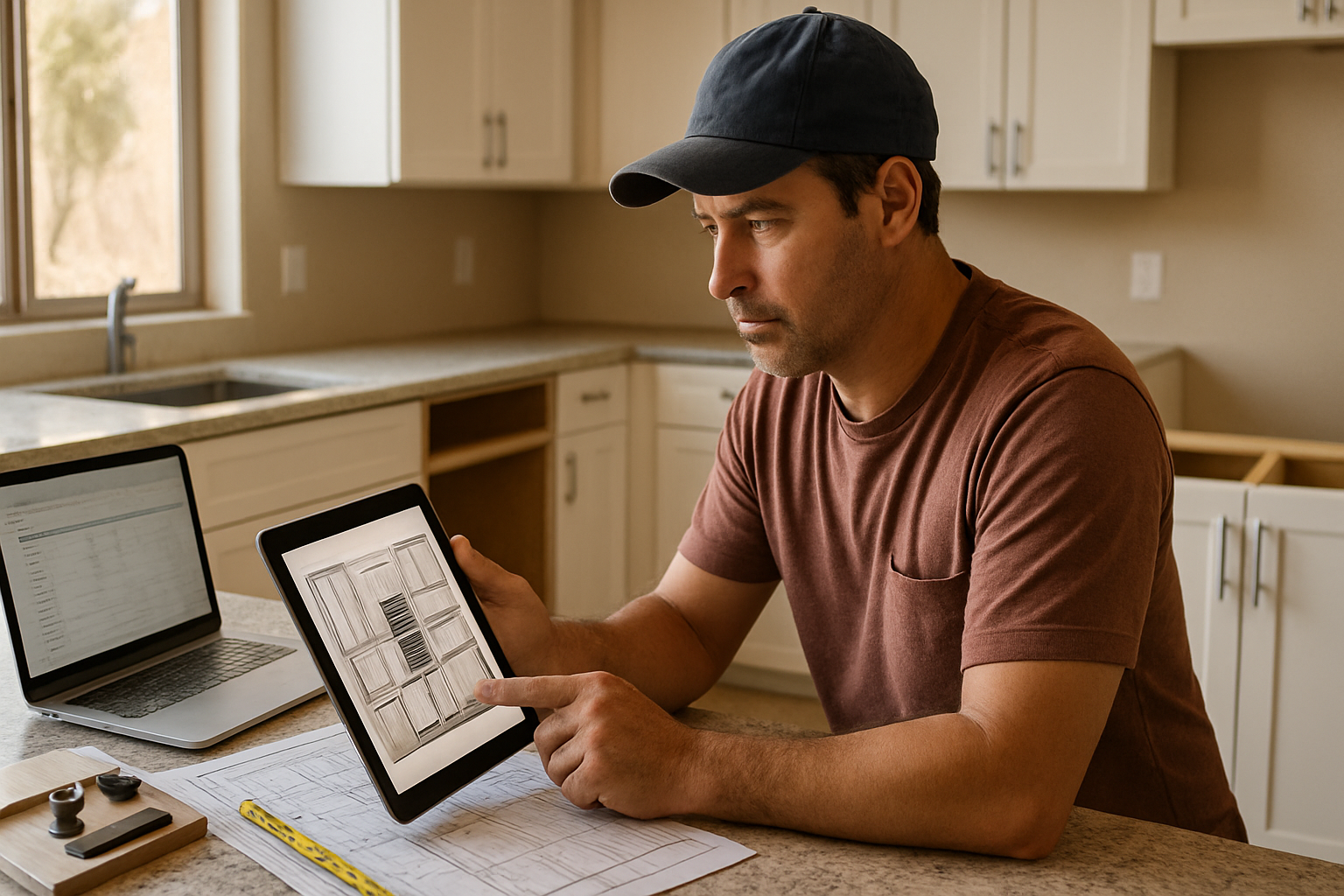
A good AI-assisted concrete estimating workflow should help you organize the messy inputs that come with real Arizona jobs: a few photos from the homeowner, a plan sheet from a GC, a voice note from the site visit, a text about demo, and a change to the finish or thickness. The contractor still reviews the estimate, sets labor and markup, and decides what gets sent.
For concrete, the biggest value is cleaner scope. A bid for a Phoenix driveway is not just “yards of concrete.” It may include demo, haul-off, grading, compaction, base, formwork, reinforcement, control joints, pump or buggy access, finish type, curing plan, traffic control, and cleanup. If those items are not captured early, they either become unpaid work or awkward change orders.
Why this matters for Arizona concrete contractors
Arizona concrete estimating has a few local realities that make speed and scope discipline important.
First, heat affects planning. Crews often need to think through pour timing, crew size, finishing window, curing approach, and whether the job should be staged. Those details may not change the square footage, but they can change labor, equipment, and risk.
Second, Phoenix-area jobs can vary widely by access. A simple backyard patio can price very differently if the crew has tight side-yard access, a long wheelbarrow path, pool equipment in the way, or a need for a pump. Photos and voice notes from the site visit help capture that before the proposal goes out.
Third, concrete bids are easy for customers to compare at the top-line price and hard for them to compare by scope. One contractor may include demolition and haul-off while another excludes it. One may include reinforcement, dowels, base prep, or sealing; another may leave those items vague. A professional estimate should make those differences clear.
A better workflow for Phoenix concrete bids
Use this workflow when pricing residential flatwork, small commercial pads, driveways, patios, sidewalks, and similar concrete work.
1. Capture the job inputs in one place
Start with every source you have: photos, plan sheets, dimensions, customer texts, a voice memo from the site visit, and notes about access. For photo-based jobs, capture wide shots, closeups of demo areas, access paths, grade changes, drainage, existing cracks, and utility conflicts. For plan-based work, flag slab thickness, reinforcement, jointing, finish, base, edge conditions, and any notes that affect placement.
This is where Estimado-style workflows are useful: the system can help turn scattered job information into a structured draft the contractor can review instead of forcing the contractor to start with a blank page.
2. Separate measurement from scope
Do not jump straight from square feet to cubic yards. Measure the area, thickness, and waste allowance, then list the actual scope items. A driveway replacement may need sawcutting, demo, disposal, base correction, formwork, dowels at existing concrete, reinforcement, pour, finish, control joints, cure, seal, and cleanup.
This separation matters because two jobs with the same square footage can have very different costs. A 600-square-foot clean patio pour is not the same estimate as a 600-square-foot driveway replacement with demo, thickened edges, poor access, and HOA restrictions.
3. Build a quantity checklist
For each bid, confirm the basics before pricing:
- Square footage by area or section
- Concrete thickness by section
- Cubic yards with reasonable waste allowance
- Base material quantity and compaction requirement
- Reinforcement type, spacing, dowels, or wire mesh where applicable
- Formwork length and edge conditions
- Demo volume, haul-off, and disposal assumptions
- Equipment needs: pump, buggy, skid steer, saw, compactor, or trailer
- Finish type: broom, exposed aggregate, stamped, trowel, or specialty finish
- Jointing, curing, sealing, and cleanup
- Exclusions, owner responsibilities, and permit assumptions
An AI estimating tool can help keep this checklist consistent. The contractor still decides which items apply.
4. Review labor and production assumptions
Concrete contractors should be especially careful with labor. The right number depends on crew size, access, weather timing, finish complexity, travel, setup, and how much prep is already complete. Software can organize the line items, but the contractor should review production rates and labor before sending the bid.
This is also the point to note Arizona-specific planning items: hot-weather placement, morning pour timing, monsoon drainage concerns, expansive soil risk, and whether local permit or inspection requirements apply.
5. Send a proposal that explains the scope
A clean concrete proposal should tell the customer what is included, what is excluded, and what can change the price. It should not bury important assumptions. If the bid excludes permits, engineering, utility relocation, drainage correction, or unforeseen subgrade repair, say that clearly.
For contractors who bid against low-detail proposals, this is how you protect the value of your work without sounding defensive.
Common concrete estimating mistakes to avoid
The most common mistake is pricing only the visible pour and forgetting the work around it. Demo, haul-off, grading, base, access, protection, cleanup, and return trips can eat margin if they are not listed.
Another mistake is treating all square footage the same. Thickness, reinforcement, finish, edge conditions, and equipment access change the job. If you use one flat price for every slab, the hard jobs subsidize the easy jobs.
A third mistake is sending a bid without follow-up. Many concrete customers need help comparing scopes. A short follow-up that says, “This includes demo, haul-off, base prep, reinforcement, broom finish, control joints, and cleanup” can make your proposal easier to trust.
How Estimado AI helps
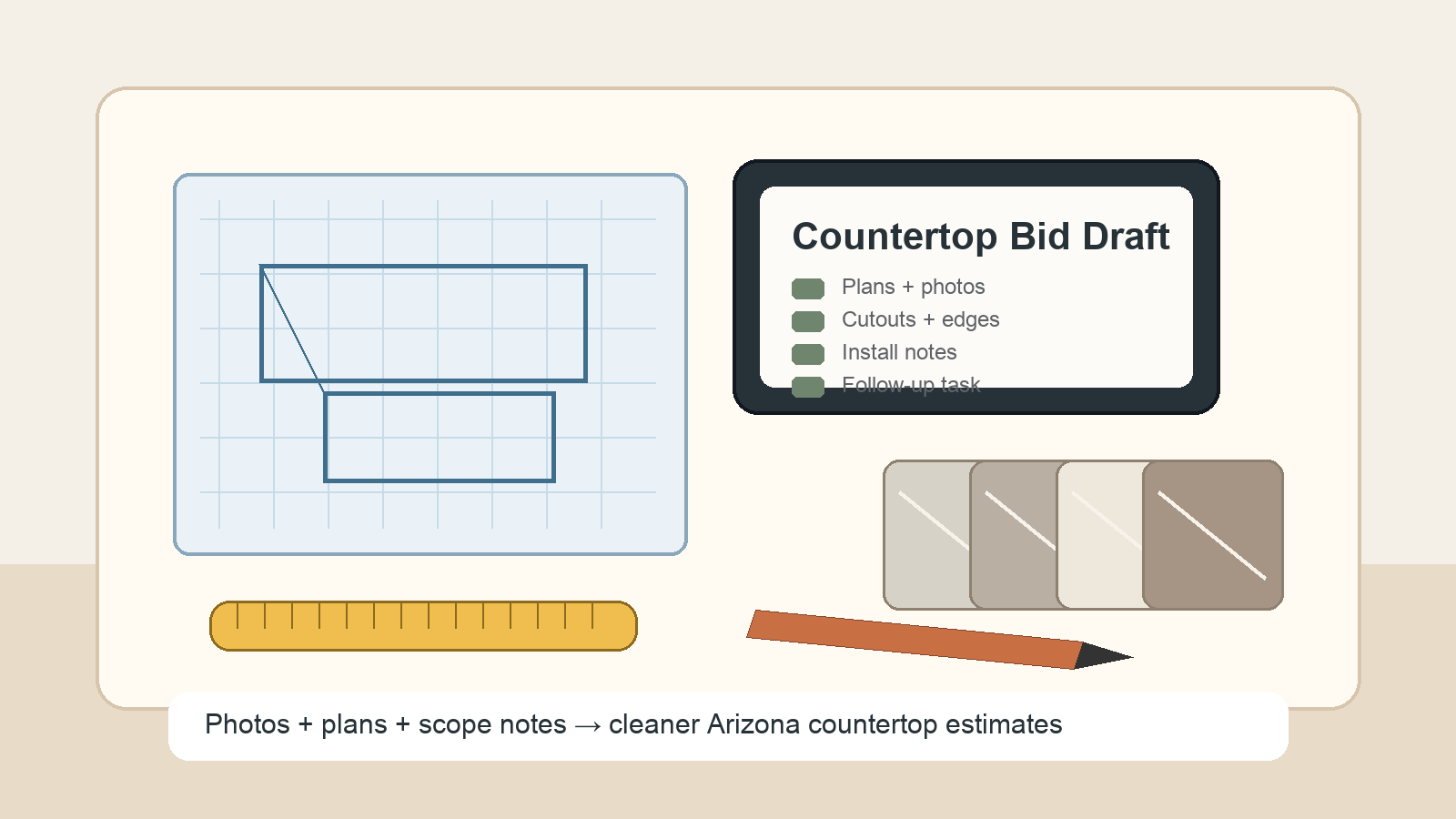
Estimado AI is being built as AI estimating software for contractors who want faster estimates while keeping the contractor in control. For a concrete contractor, that means Estimado can help organize photos, blueprints, videos, and voice notes into a structured estimate draft with scope, quantities, materials, and review points.
The contractor remains the senior estimator. You review the assumptions, adjust labor, check the quantities, set markup, and approve the final proposal before anything goes to the customer.
That workflow is especially useful for busy Arizona concrete crews because the bottleneck is often not knowing the trade. It is turning scattered job information into a professional bid quickly enough to stay ahead of the next contractor.
If you want a faster way to turn plans, photos, and field notes into concrete bid drafts you can review, join the Estimado AI waitlist.
Next step
If your crew is already good at concrete but slow at turning site notes into polished bids, start by tightening your estimating workflow: collect better inputs, separate measurement from scope, use a repeatable quantity checklist, and follow up with clear scope language after every proposal.
FAQ
What is AI estimating software for concrete contractors?
AI estimating software for concrete contractors helps turn job information such as photos, plans, dimensions, and notes into an organized estimate draft. It should support quantities, scope, materials, labor review, exclusions, and a customer-ready proposal while leaving final approval with the contractor.
Can AI estimate concrete from photos?
AI can help organize photo-based concrete estimates, especially when photos are paired with measurements and contractor notes. It should not blindly guess hidden dimensions, subgrade conditions, reinforcement needs, or access constraints.
What should Arizona concrete contractors include in a bid?
A strong Arizona concrete bid should include measurement assumptions, thickness, concrete quantity, base prep, reinforcement, formwork, demo and haul-off, finish, joints, curing or sealing, access assumptions, exclusions, and applicable permit assumptions.
Is AI concrete estimating a replacement for an experienced estimator?
No. AI should act like a junior estimator that organizes the work, drafts the scope, and helps reduce admin time. The contractor still reviews the estimate, adjusts labor and markup, and approves the proposal.