AI Estimating Software for Cabinets Contractors in Arizona: Faster Phoenix Bids With Cleaner Scope
A practical workflow for Arizona cabinet contractors who want faster Phoenix bids, tighter scope, cleaner proposals, and better follow-up using AI-assisted estimating.

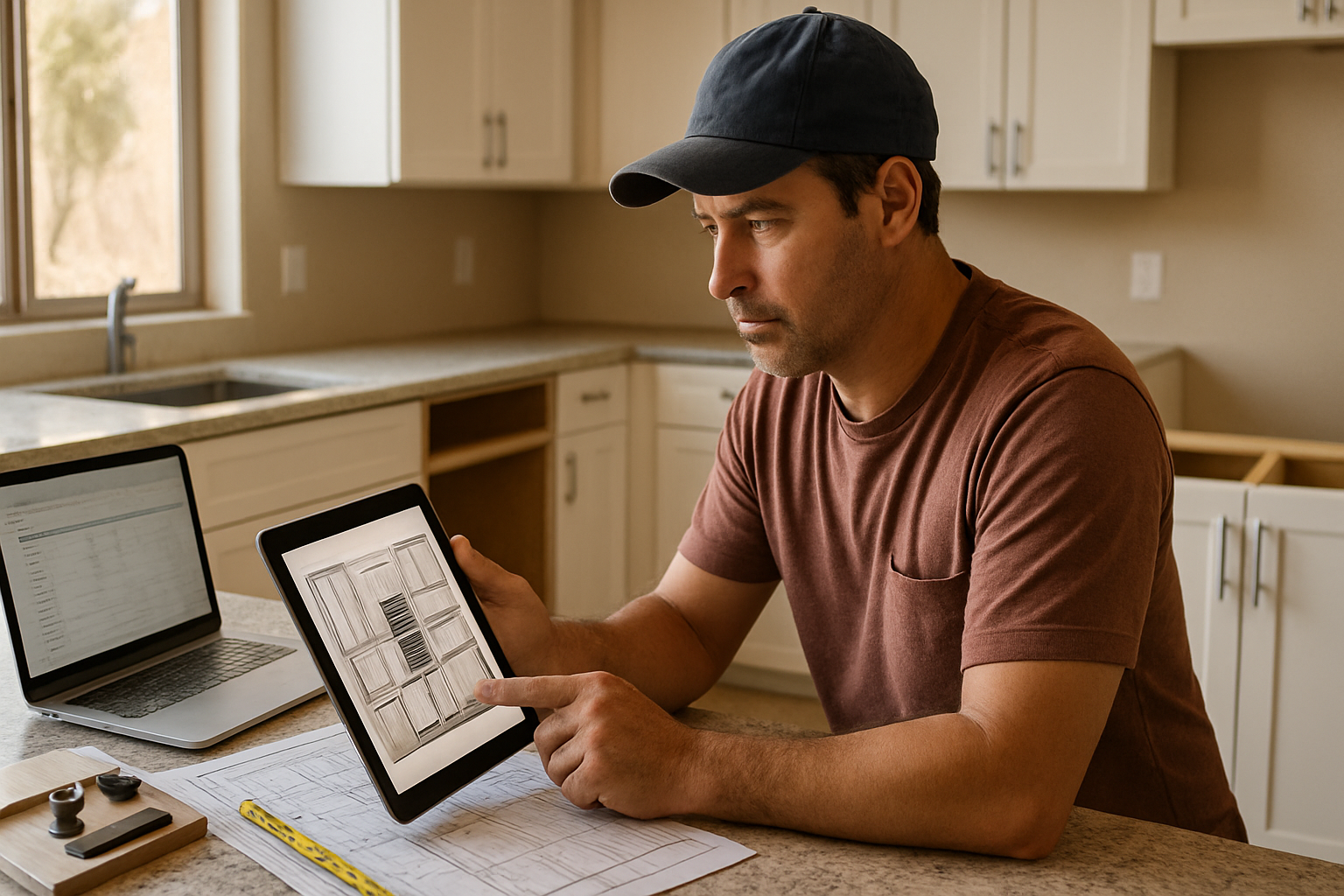
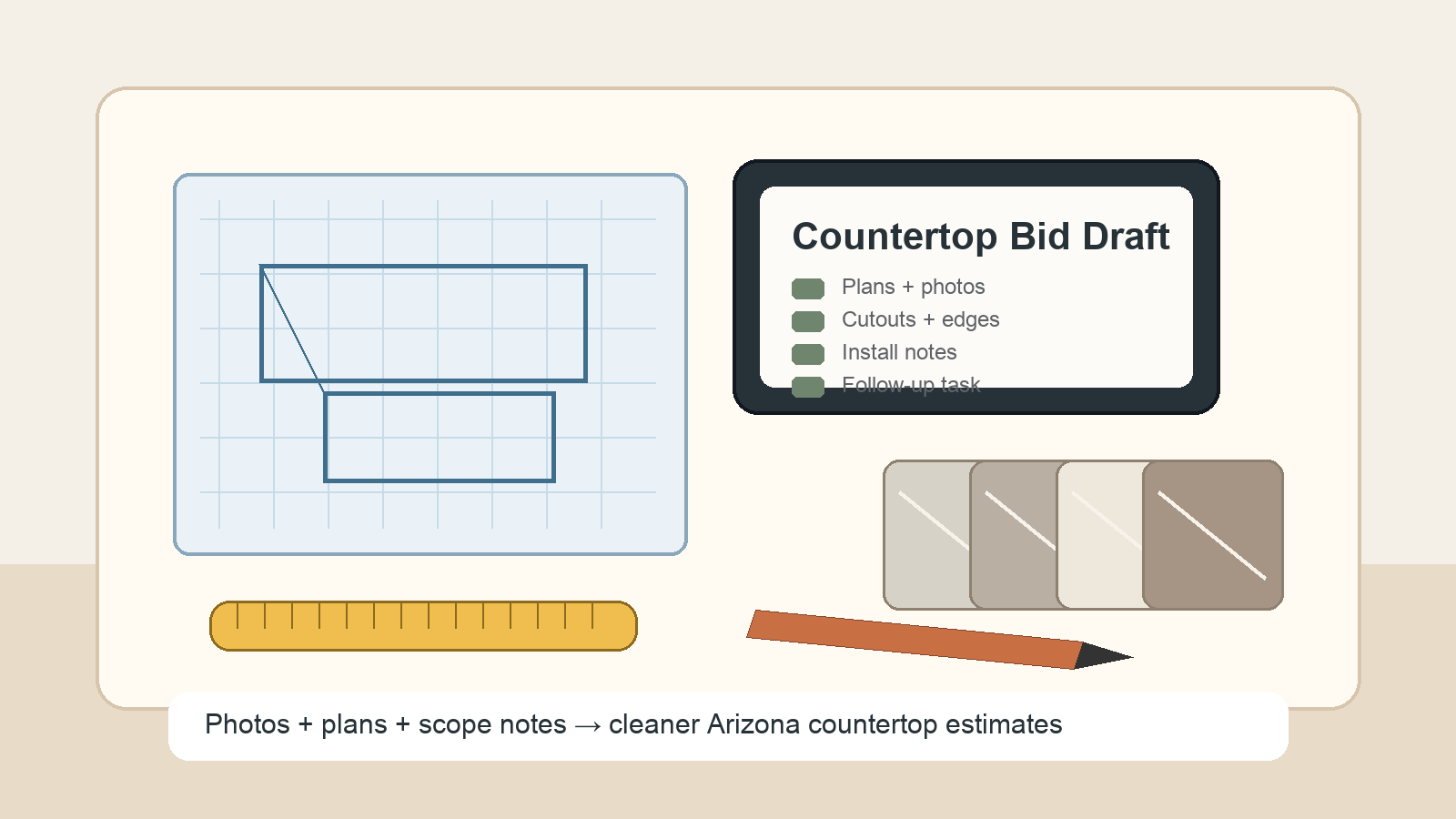
AI estimating software for cabinets contractors in Arizona should help a cabinet crew turn plans, kitchen photos, appliance notes, finish selections, and voice memos into a cleaner bid faster. It should not replace the contractor's judgment. The point is to organize the scope, catch missing details, and make the proposal easier to review before anyone sends a number.
For Phoenix cabinet contractors, speed matters because many remodel customers want quick answers after a walkthrough. But cabinet bids are easy to under-scope: one missed filler, panel, crown detail, appliance clearance, hardware package, demo line, or countertop coordination item can turn a good-looking bid into a margin problem.
How AI estimating software for cabinets contractors in Arizona should work
The best use of AI in cabinet estimating is not guessing a price from one photo. A better workflow starts by collecting the job inputs and turning them into a structured scope your estimator can check.
For a Phoenix kitchen or bath cabinet job, that means organizing:
- Room photos, wall photos, and closeups of existing cabinets
- Floor plans, cabinet elevations, cabinet schedules, or sketch measurements
- Appliance specs, sink location, plumbing notes, and electrical notes
- Door style, finish, species, hardware, soft-close requirements, and accessories
- Demo, haul-off, patching, scribe, toe kick, crown, light rail, panels, fillers, and trim
- Installation access, parking, dust protection, and customer schedule constraints
AI estimating software helps by reading those inputs, separating known scope from open questions, and producing a draft estimate structure. The contractor still reviews quantities, labor, material choices, risk, and margin before sending the proposal.
Why this matters for Arizona cabinet contractors
Cabinet work in Arizona is often tied to remodels, investor refreshes, new-build punch lists, casitas, and higher-end kitchen upgrades. In Phoenix, a cabinet contractor may be pricing several different job types in the same week: a cabinet replacement in Arcadia, a refacing job in Mesa, a laundry-room built-in in Scottsdale, or a builder punch list in the West Valley.
The state context matters because cabinet work is not always just cabinets. A simple box replacement may stay straightforward. But once the job includes moving a sink, changing electrical, modifying soffits, cutting into walls, or coordinating with countertops and flooring, the estimate needs to call out what is included, what is excluded, and which trade owns each item.
Arizona contractors should also be careful with storage, delivery, and jobsite protection. Heat, dust, garage storage, and long remodel timelines can create finish and handling issues. Those details belong in the estimate when they affect labor, sequencing, or customer expectations.
For broader state-level context, see Estimado's guide to AI estimating software for Arizona contractors.
A practical cabinet estimating workflow
Use AI as the organizer, then use your trade knowledge as the final filter.
1. Capture the job clearly
Before pricing, collect the same inputs every time: photos, measurements, cabinet plan or sketch, appliance list, finish choice, hardware decision, and notes from the walkthrough. If the customer sends scattered texts, screenshots, and a voice note, pull them into one project record instead of pricing from memory.
2. Break the scope into cabinet line items
A clean cabinet bid separates boxes, doors, drawer fronts, panels, fillers, trim, accessories, demo, disposal, installation, touch-up, and coordination items. This is where many rushed estimates get thin. A line item like "install cabinets" may be fast to write, but it hides labor and exclusions.
3. Flag questions before the proposal goes out
A good AI-assisted workflow should surface questions such as:
- Are appliance dimensions final?
- Is the countertop staying or being replaced?
- Who disconnects and reconnects plumbing?
- Are walls square enough for standard fillers?
- Is crown going to ceiling, soffit, or open space?
- Are handles, pulls, hinges, and accessories supplied by you or the customer?
Answering these before the bid goes out protects the contractor from vague scope and change-order arguments later.
4. Build a customer-ready proposal
The estimate should explain the work in plain language, not just list a lump sum. Include what is included, what is excluded, what assumptions were used, and how changes will be handled. A homeowner or GC should be able to understand the scope without calling you five times.
5. Follow up while the job is still warm
Cabinet customers often compare several options. A fast follow-up message that restates the scope, reminds them what is included, and asks a direct next-step question can keep the bid moving without sounding pushy.
Common cabinet estimating mistakes
The biggest mistakes are usually scope mistakes, not math mistakes.
- Pricing from photos without confirming measurements
- Forgetting fillers, panels, scribe, toe kicks, crown, or light rail
- Leaving appliance, sink, plumbing, and electrical coordination vague
- Not separating demo and haul-off from installation labor
- Assuming walls, floors, and ceilings are square enough for easy install
- Sending a proposal with no exclusions or assumptions
- Failing to follow up after the customer receives the bid
AI can help catch these gaps, but it still needs a contractor reviewing the output. Cabinet work has too many finish, fit, and coordination details to treat any software result as final without review.
How Estimado AI helps
Estimado AI is built as AI estimating software for contractors who want faster bids without giving up control of the final number. For cabinet contractors, the useful workflow is simple: upload plans or photos, add a voice note from the walkthrough, review the drafted scope, adjust quantities and labor, then send a cleaner proposal after you approve it.
Estimado is not meant to be a magic button or a replacement for the estimator. It acts more like a junior estimator at your right hand: organizing inputs, drafting the scope, prompting for missing details, and helping you move from lead to quote with less office drag.
If your cabinet crew is trying to respond faster to Arizona remodel leads while keeping the final review in your hands, join the Estimado AI waitlist.
Next step
For more estimating workflows by trade, visit the Estimado blog. If you want a cabinet estimating process that turns plans, photos, and field notes into a cleaner review draft, start with the waitlist link above and keep building a repeatable process for every bid.
FAQ
Can AI estimate a cabinet job from photos only?
Photos can help, but cabinet estimates usually need measurements, appliance details, finish choices, and notes about demo, fillers, panels, trim, and installation conditions. AI should flag missing information instead of pretending every dimension is known.
What should a cabinet estimate include?
A cabinet estimate should include cabinet boxes or refacing scope, doors and drawer fronts, finish, hardware, accessories, fillers, trim, panels, demo, disposal, installation labor, exclusions, assumptions, and any coordination with plumbing, electrical, countertops, or flooring.
Is cabinet estimating software useful for small Arizona contractors?
Yes, if it helps the contractor standardize intake, reduce forgotten scope items, create clearer proposals, and follow up faster. The contractor still needs to review the estimate and set the final labor, markup, and terms.
Do cabinet contractors in Phoenix need to think about permits?
Many cabinet swaps do not require the same review as larger remodels, but permits or licensed trade coordination may matter when the work changes plumbing, electrical, structure, or other regulated scope. Contractors should verify current requirements with the Arizona Registrar of Contractors and the local building department.