AI Estimating Software for California Contractors: Faster Bids From Photos, Plans, and Field Notes
California contractors face fast lead flow, local permitting, CSLB license checks, Title 24 questions, dense-city access, wildfire and seismic details, and expensive labor. This guide explains how AI estimating software can turn photos, plans, videos, and field notes into cleaner review-ready bids while keeping the contractor in control.

AI estimating software for California contractors should help turn blueprints, job photos, videos, and voice notes into a cleaner bid faster, without taking pricing control away from the contractor. In California, that matters because a simple-looking job can include local permits, CSLB license considerations, Title 24 energy requirements, wildfire-area details, seismic anchoring, older-building surprises, high labor costs, tight parking, and city-specific inspection steps.
This guide is for small and mid-sized California contractors who want faster estimate turnaround, cleaner scope, and less office work while still reviewing every line before a customer sees the proposal.
AI estimating software for California contractors: the short answer
AI estimating software for California contractors is useful when it converts scattered job information into a structured scope, material list, labor review, assumptions, exclusions, and customer-ready proposal. It should not act like a black box that prices and sends the bid by itself. The contractor should capture the job, let the software organize the estimate draft, review California-specific risk, adjust pricing, and approve the final proposal.
For a Los Angeles remodel, Bay Area tenant improvement, San Diego addition, Inland Empire repair, or Central Valley service job, the estimate should make these questions visible:
- What drawings, photos, videos, measurements, and customer notes are actually being priced?
- Does the work need a permit, plan check, inspection, licensed trade, or local building department clarification?
- Could Title 24 energy rules, CALGreen requirements, wildfire exposure, seismic fastening, or accessibility details affect scope?
- Are parking, hauling, material staging, elevator access, HOA rules, or traffic windows adding labor?
- What assumptions and exclusions need to be written down before the customer approves?
The value of AI is speed and organization. The value of the contractor is judgment.
Why this matters for California contractors
California contractors often bid in a market where speed matters and missing details get expensive. A Los Angeles lead might send photos of a kitchen wall, a quick video of damaged stucco, and a voice note about “just opening this up.” If the estimate sits for days, the customer may move on. If the estimate goes out too fast, the contractor may own a scope problem.
California also has estimating conditions that are easy to forget when the office is busy:
1. Permits and plan check: Cities and counties can have different submittal, inspection, and correction processes.
2. Licensing and trade scope: Contractors should verify CSLB classification and regulated work requirements before bidding work outside their lane.
3. Energy and green building details: Windows, HVAC, insulation, lighting, additions, and some remodel scopes may need energy-code or CALGreen review.
4. Wildfire, seismic, and weather exposure: Exterior materials, vents, decks, anchorage, drainage, and defensible-space questions can affect the real scope.
5. Access and labor reality: Dense neighborhoods, apartment buildings, hillside lots, limited parking, hauling distance, and disposal rules can change labor hours.
A stronger California estimate separates the base work from the local conditions that make the job cost what it costs.
A practical California estimating workflow
Use this workflow whether you estimate in a spreadsheet, a construction estimating app, or an AI-assisted system.
1. Capture the job in the field
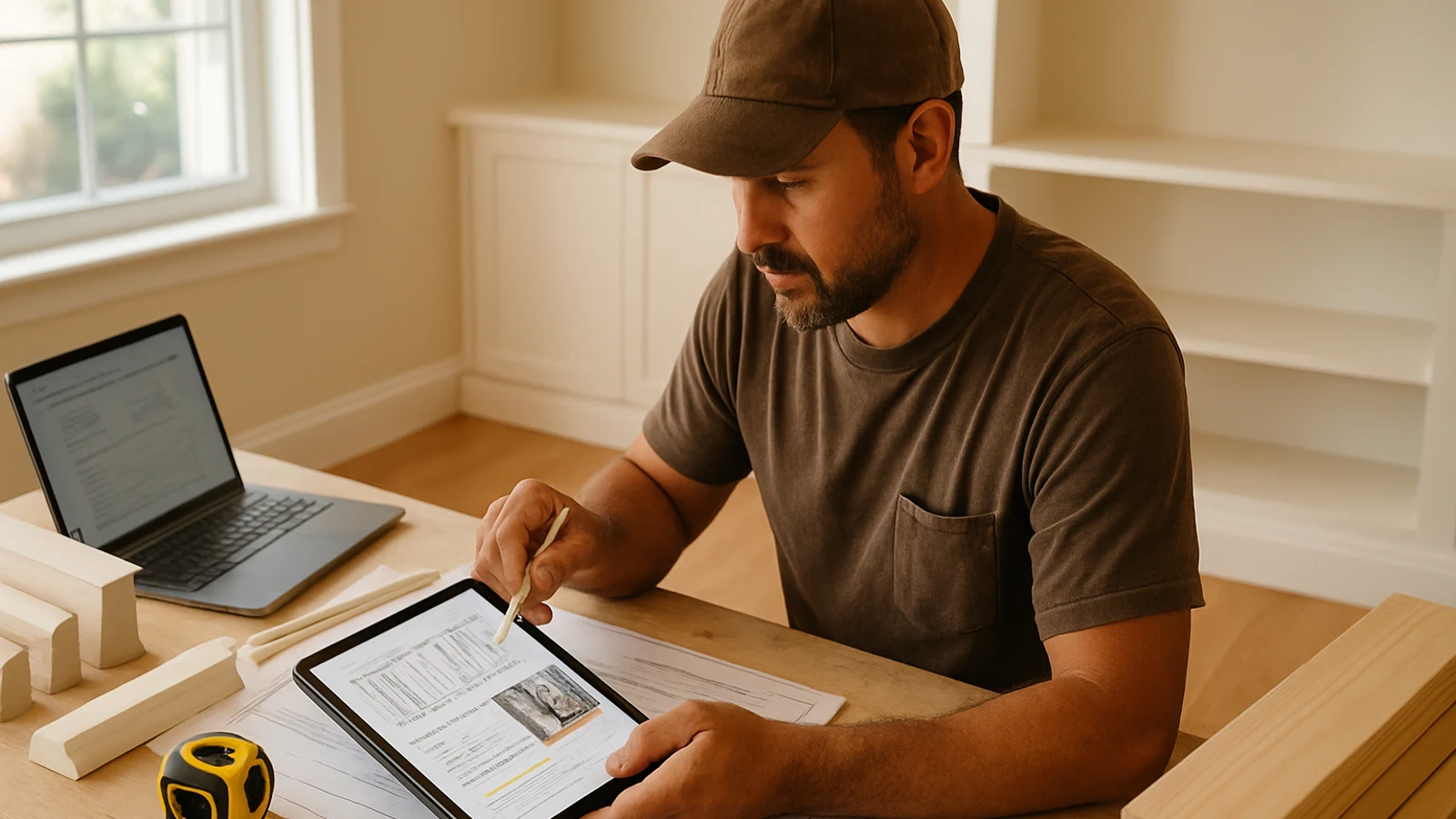
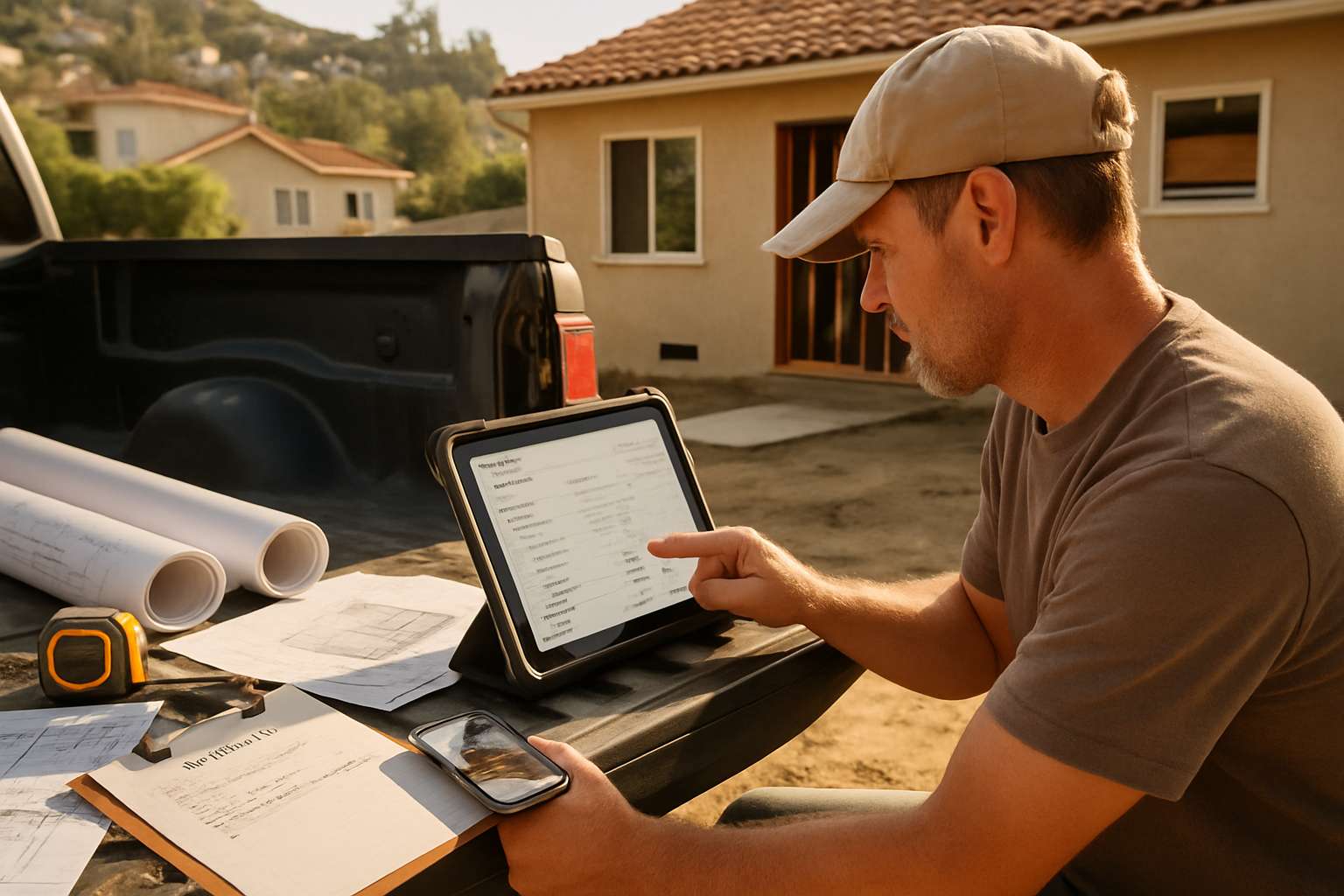
Before leaving the site, take wide photos, close-ups, and a short video walkthrough. Record a voice note explaining the customer request, visible conditions, access issues, and anything you still need to confirm. On a Los Angeles remodel, that might include street parking, protection for existing finishes, hillside access, disposal route, panel location, stucco cracks, window measurements, or a permit question.
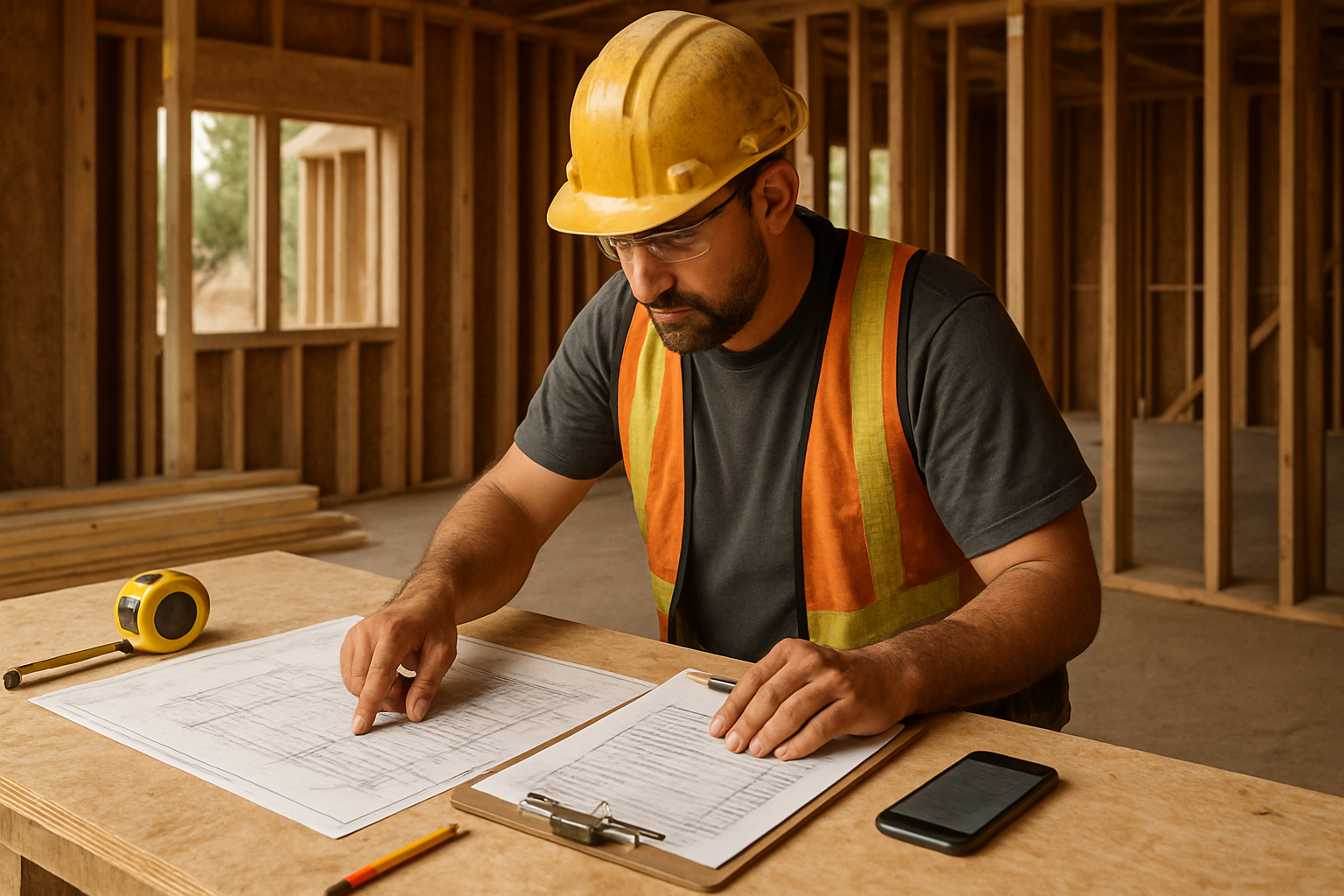
For plan-based work, keep drawings, finish schedules, addenda, and written scope together. If the drawings are incomplete, mark that in the estimate instead of guessing silently.
2. Turn the input into a written scope first
Pricing should follow scope. Write the work in plain English: demo, protection, prep, framing, rough-in, installation, patching, finish, haul-off, cleanup, and final walkthrough. Then write what is excluded.
California exclusions often need to mention concealed damage, asbestos or lead-paint testing where relevant, engineering, permit fees, utility upgrades, owner selections, HOA approvals, work discovered after demolition, and changes required by inspectors or plan corrections.
3. Build quantities and material lists by line item
Do not hide everything under “materials.” Separate major material groups so the customer can understand the proposal and the contractor can catch missing items. Depending on the job, that may include framing, drywall, insulation, windows and doors, roofing, stucco, tile, flooring, cabinets, fixtures, concrete, protection, rental equipment, delivery, and disposal.
For California work, material review should also ask whether the scope requires fire-rated assemblies, WUI-rated exterior details, energy-compliant windows or insulation, special inspections, low-VOC materials, or long-lead selections. Not every job will need those items, but the estimate should force the question.
4. Review labor against the real jobsite
Labor is not just install time. Add setup, protection, material handling, parking or loading constraints, elevator time, debris removal, supervision, inspections, return trips, and customer communication. In dense markets, access can be the difference between a profitable estimate and a job that eats the margin.
5. Add assumptions before sending
Before the proposal goes out, read it like a customer and like a project manager. Does it say who handles permits? Are inspection delays, plan corrections, owner-supplied materials, concealed conditions, and change orders covered? Are alternates separated from the base price? That last review is where a fast estimate becomes a professional bid.
Common mistakes that weaken California bids
- Treating California like a generic state: Local permitting, access, energy rules, wildfire exposure, seismic details, and labor conditions can change the estimate.
- Sending a number without a written scope: A one-line price makes disputes more likely because the customer cannot see what is included.
- Forgetting plan-check or permit assumptions: Say whether permit fees, drawings, engineering, inspection coordination, or correction work are included.
- Ignoring access and staging: Parking, elevators, hillside lots, tight alleys, disposal, and material delivery can add real labor.
- Letting AI go unchecked: AI can structure the estimate, but the contractor must verify quantities, code-related assumptions, labor, pricing, and final scope.
A good estimate is not just faster. It is clearer, easier to approve, and safer to build from.
How Estimado AI helps
Estimado AI is being built as AI estimating software for contractors. The goal is to help turn blueprints, job photos, videos, and voice notes into a structured estimate with scope of work, bill of materials, labor breakdown, and a customer-ready proposal. The contractor stays in the loop: you review, edit, approve, and decide when the estimate is ready to send.
For California contractors, that means job information does not have to stay scattered across your phone, texts, plan files, and memory. Estimado can help organize the inputs into a draft you can review for local scope, permit assumptions, access, labor, and exclusions.
If you want a faster way to turn California job photos, plans, videos, and voice notes into estimates you still control, join the Estimado AI waitlist.
Next step
California contractors do not need more paperwork just to send a clean bid. They need a repeatable way to capture the job, organize the scope, review the numbers, and follow up with confidence. For more estimating workflow guidance, visit the Estimado AI blog.
FAQ
Is AI estimating software accurate enough for California contractors?
AI can help organize scope, quantities, and proposal structure, but California contractors still need to verify pricing, labor, permits, local code assumptions, access, and exclusions.
What should a California contractor include in an estimate?
Include scope of work, material quantities, labor, equipment, disposal, permit assumptions, plan-check or inspection notes when relevant, access constraints, exclusions, change order terms, and owner responsibilities.
Can AI estimate from photos, blueprints, videos, and voice notes?
Yes. AI estimating workflows can use photos, blueprints, videos, and voice notes to draft scope and identify visible conditions. The contractor should still verify measurements, hidden conditions, quantities, and final pricing.
Does Estimado AI send bids automatically?
No. Estimado AI keeps the contractor in control. The contractor reviews, edits, approves, and sends the final proposal.