AI Estimating Software for Painting Contractors in California: Faster Los Angeles Bids From Photos, Plans, and Walkthrough Notes
A practical Los Angeles workflow for California painting contractors who want faster estimates, cleaner scope, better follow-up, and stronger job review using AI-assisted estimating.


AI estimating software for painting contractors in California should help a painter turn job photos, plans, walkthrough notes, coating details, and follow-up reminders into a cleaner bid faster. It should not replace the person who knows the crew, the prep standard, the customer, and the risk on the job. The best use is simple: organize the scope before pricing, make missing details easier to see, and help the contractor send a professional estimate after review.
For Los Angeles painting contractors, estimate speed matters because leads often come from a walkthrough, a few phone photos, a property manager email, or a remodeler asking for a fast number. But painting bids can lose money when they skip surface prep, access, masking, patching, primer, number of coats, working hours, or California-specific compliance questions.
AI estimating software for painting contractors in California: the practical takeaway
A useful AI-assisted estimating workflow for a California painting contractor should do four jobs:
1. Collect the job inputs: room photos, exterior elevations, plans, voice notes, color schedule, finish notes, and customer requirements.
2. Turn messy information into scope: surfaces, substrate condition, prep level, primer, finish coats, trim, doors, cabinets, exterior details, protection, access, and exclusions.
3. Help the contractor review risk: lead paint possibility, HOA/property manager rules, VOC/coating requirements, weather exposure, stucco or wood repair, and work-hour limits.
4. Produce a clean estimate draft and follow-up path: line items, allowances, alternates, clarifying questions, and a reminder to follow up after the bid is sent.
The contractor still owns the final quantity, labor assumptions, production rate, markup, and send button. AI is most helpful when it acts like a disciplined junior estimator who keeps the bid organized.
Why California painting bids need tighter scope
California painting work has a few details that should show up in the estimate before the price goes out.
Exterior surfaces take abuse. In Los Angeles, a crew may see stucco cracks, sun-baked fascia, peeling trim near eaves, coastal moisture near the Westside or South Bay, and exterior metal that needs the right prep before coating. A fast bid that only says “paint exterior” can hide real prep labor.
Older homes require caution. Many LA homes and apartment buildings were built before 1978. If lead-based paint may be disturbed, contractors should treat that as a review item and confirm applicable EPA Renovation, Repair and Painting requirements before work starts. The estimate should make clear whether testing, containment, or certified procedures are included or excluded.
Coating choices matter. California projects can involve local air quality or product rules, especially for architectural coatings. A bid should not just name a color; it should specify sheen, product line or allowance, primer assumptions, number of coats, and whether specialty coatings are included.
Access and protection can drive labor. A two-story exterior in the Valley, a hillside home, a tight multi-family courtyard, or a retail repaint with after-hours work may need lift access, ladder planning, extra masking, tenant coordination, parking/loading notes, and cleanup sequencing.
That is why a painting estimate app or AI workflow should not only calculate square footage. It should force a cleaner conversation about the conditions behind the square footage.
A faster Los Angeles painting estimate workflow
Here is a practical workflow a California painting contractor can use whether the estimate is prepared manually or with AI support.
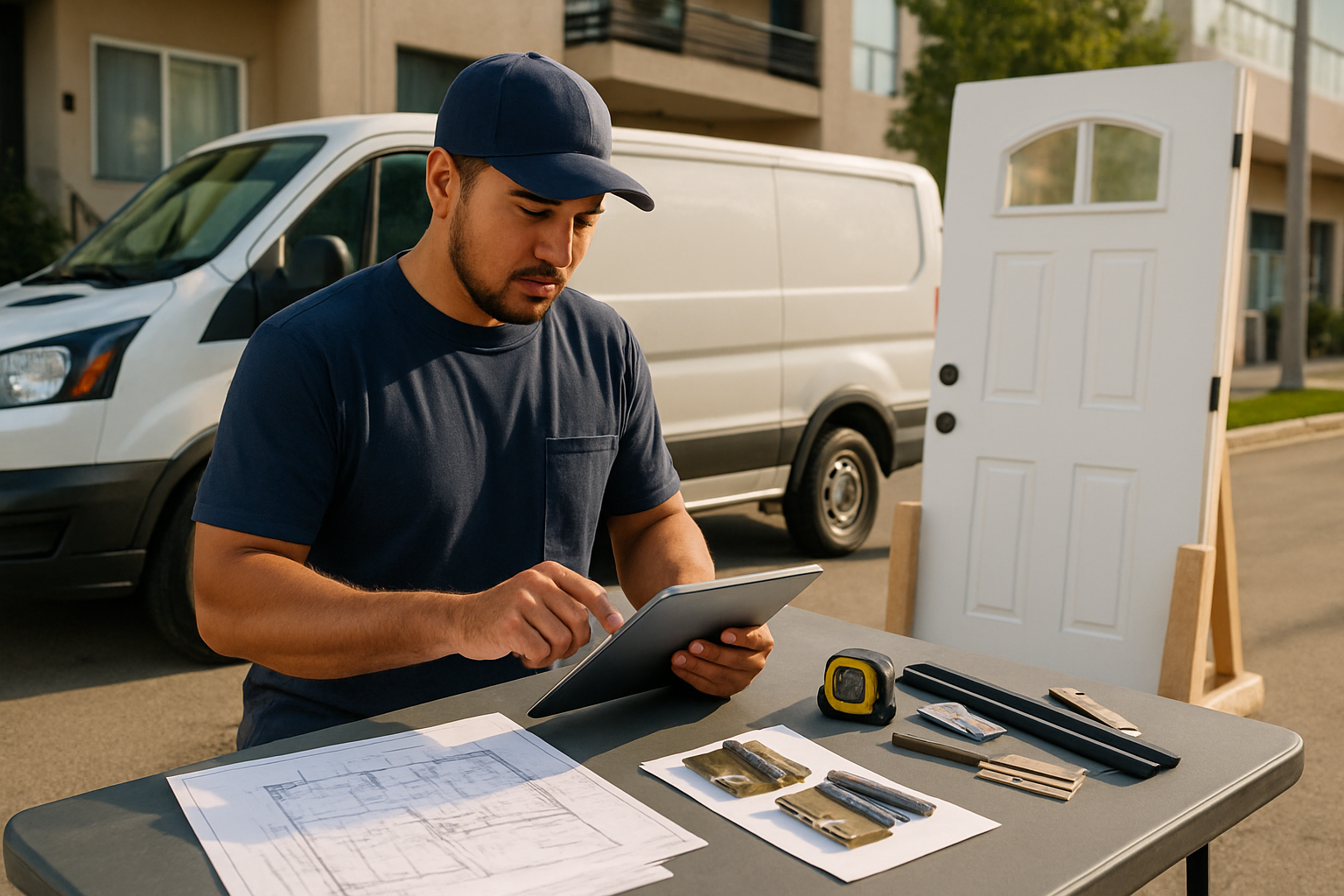
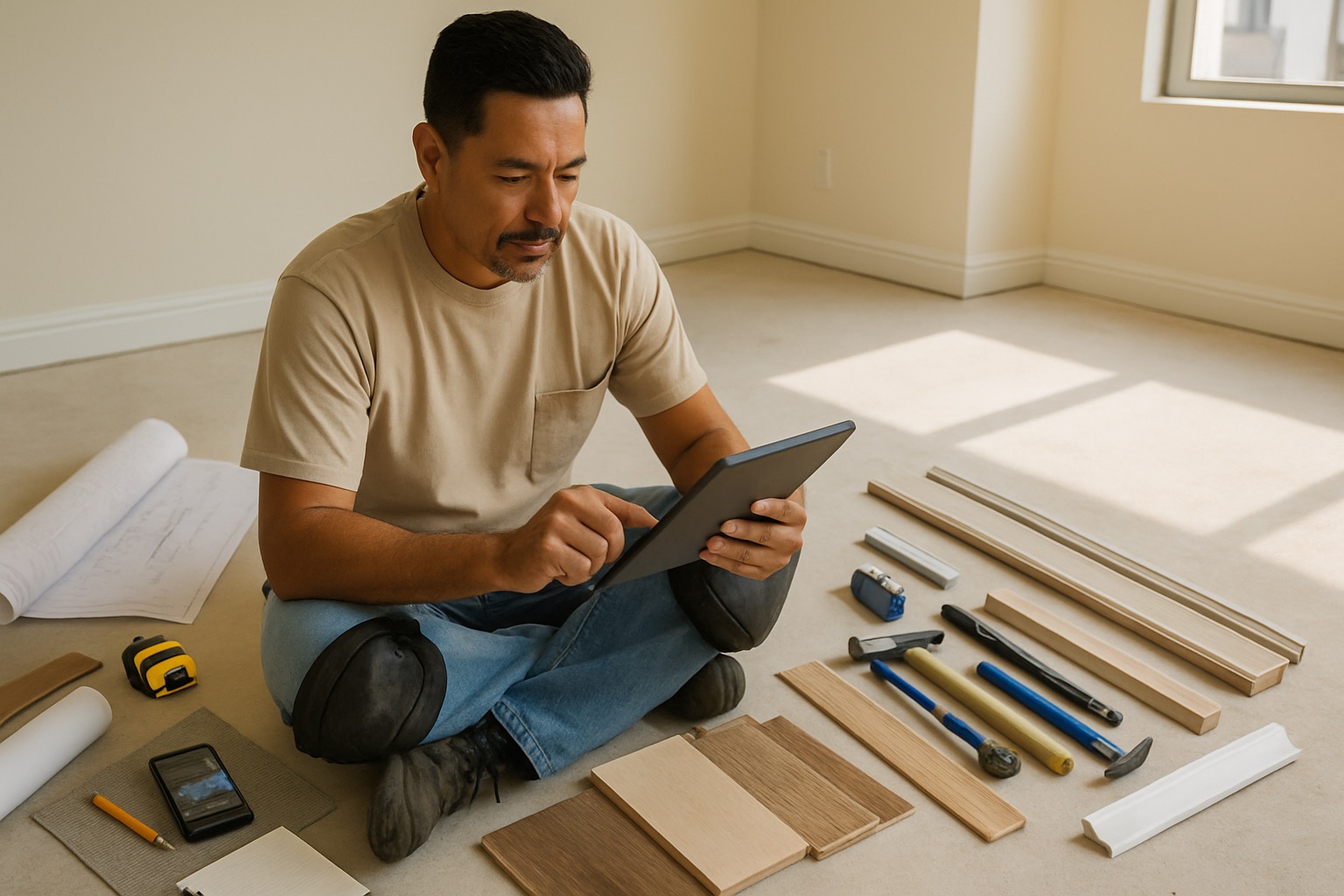
1. Capture the job in one place
Start by gathering the inputs before pricing:
- Photos of every room, wall, ceiling, door, trim area, cabinet run, or exterior elevation
- Notes on substrate: drywall, plaster, stucco, wood, metal, masonry, cabinet finish, or previously painted surface
- Prep notes: patching, sanding, caulking, scraping, pressure washing, stain blocking, rust treatment, or primer
- Plans or rough dimensions if the job came through a GC, designer, property manager, or insurance scope
- Voice notes from the walkthrough, including what the customer asked for and what they did not ask for
- Color, sheen, product, and coat assumptions
- Access notes: ladders, lift, scaffolding, parking, occupied home, tenants, pets, furniture, landscaping, or tight working hours
A messy camera roll is not a scope. The first win is converting the camera roll into organized estimate sections.
2. Break the painting bid into reviewable sections
A cleaner painting estimate usually separates work by area and surface, not by one generic total. For example:
- Interior walls
- Ceilings
- Baseboards, crown, casing, and doors
- Cabinet painting or refinishing
- Exterior stucco or siding
- Fascia, eaves, trim, railings, gates, and metal work
- Surface repair and prep
- Protection, masking, cleanup, and disposal
- Access equipment or special scheduling
- Alternates, allowances, and exclusions
This makes the proposal easier for the customer to understand and easier for the contractor to adjust. If the customer removes cabinet painting or adds a second accent wall, the estimate can change without rebuilding the entire bid.
3. Use AI to find missing scope before pricing
AI estimating software can help by reading photos, plans, and notes together and asking questions like:
- Are ceilings included or only walls?
- Are closets, garage walls, stair rails, fences, or gates included?
- Is the existing paint peeling, chalking, stained, glossy, or damaged?
- Does the job need primer or specialty stain blocking?
- Are there pre-1978 surfaces that need lead-safe review?
- Is patching included as light touch-up or a separate repair allowance?
- Does the bid include moving furniture, removing hardware, masking fixtures, or protecting floors?
- Are the work hours normal business hours, evenings, weekends, or tenant-coordinated?
These questions do not replace field judgment. They reduce the chance that the estimate goes out with a hole in it.
4. Price with your own production reality
Once the scope is organized, the contractor should review quantities, labor assumptions, material choices, and markup. A California painting crew with a strong prep standard may price differently than a low-prep repaint crew. A busy LA shop may also price around travel time, parking, crew availability, and coordination with other trades.
Estimating software should make the math easier to review, but the contractor should still decide:
- Production rates by surface and prep level
- Labor burden and crew size
- Material allowance by coating system
- Equipment, lift, masking, and disposal charges
- Overhead, markup, and minimum job size
- Contingency for uncertain surface conditions
A good estimate is not only fast. It is honest about what is included.
5. Send a professional proposal and follow up
Many painting contractors lose jobs after the estimate because the follow-up process is inconsistent. Build a simple follow-up path into the estimating workflow:
- Send the proposal with clear areas, inclusions, exclusions, and alternates
- Include a short note explaining any assumptions that affect price
- Follow up within a reasonable window after the customer has time to review
- Ask whether they want to adjust scope, product level, color schedule, or timing
- Track objections so the next estimate is easier to explain
A clean proposal gives the customer fewer reasons to stall and gives the contractor a better way to revise without discounting blindly.
Common painting estimating mistakes to avoid
Using one lump sum with no scope detail. A single number can be fast, but it gives the customer little confidence and makes change orders harder.
Forgetting prep is the job. Scraping, sanding, caulking, patching, priming, masking, and cleanup often decide whether the job makes money.
Treating all square footage the same. Walls, ceilings, trim, doors, cabinets, stucco, metal, and damaged surfaces do not take the same time.
Ignoring access. Ladders, lifts, hillsides, parking, occupied units, furniture, and tenant schedules can change the labor plan.
Not clarifying compliance assumptions. Lead-safe work, coating rules, HOA requirements, property manager rules, and permits or notices should be reviewed when they apply.
Skipping bid follow-up. A fast estimate is only useful if it leads to a clear customer conversation after the bid is sent.
How Estimado AI helps painting contractors estimate faster
Estimado AI is built as AI estimating software for contractors who want faster estimate drafts without removing the contractor from the process. For a painting company, that means using job photos, plans, videos, and voice notes to help organize the surfaces, prep details, coatings, exclusions, and proposal structure before the contractor reviews the final number.
Estimado is not a magic bid button. The contractor stays in control, checks the assumptions, edits the estimate, and approves before sending. The value is reducing office workload and making the estimate review cleaner, especially when leads arrive from scattered texts, photos, emails, and walkthrough notes.
You can also browse more practical estimating workflows on the Estimado contractor blog.
Next step
If your California painting company is trying to turn walkthrough notes, photos, and plans into cleaner bids faster, join the Estimado AI waitlist and see how Estimado is approaching contractor-controlled estimating workflows.
FAQ
What should AI estimating software do for a painting contractor?
It should help organize photos, plans, scope notes, surfaces, prep levels, coating assumptions, quantities, and proposal line items so the contractor can review and price faster. It should not replace the contractor's field judgment.
Can AI estimate exterior painting from photos?
AI can help identify visible surfaces, access issues, substrate conditions, and missing questions from photos. The contractor should still confirm measurements, prep level, product choices, and any hidden damage before final pricing.
What makes California painting estimates different?
California painting estimates often need closer review of older buildings, lead-safe work, coating requirements, exterior sun exposure, coastal moisture, access, HOA or property manager rules, and occupied-building coordination.
Should painters use AI for follow-up after sending bids?
Yes, if the follow-up stays professional and contractor-controlled. AI can help draft reminders, summarize assumptions, and track customer questions, but the contractor should choose the final message and timing.