AI Estimating Software for Masonry Contractors in Florida: Faster Jacksonville Bids From Photos, Plans, and Scope Notes
A practical Florida masonry estimating workflow for turning photos, plans, wall details, material notes, and follow-up steps into cleaner bid drafts.

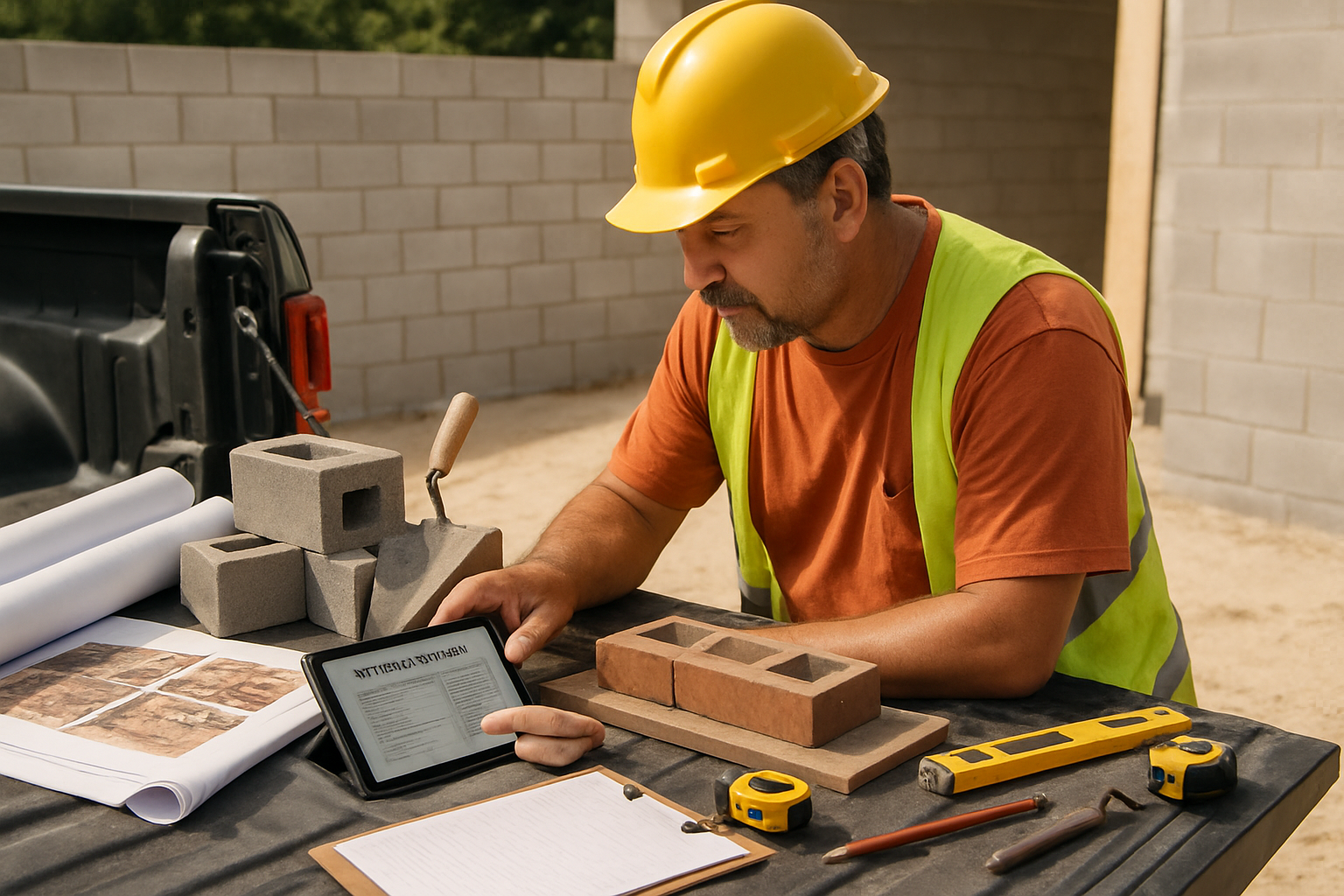
AI estimating software for masonry contractors in Florida is most useful when it helps a masonry contractor turn scattered job information into a clear bid draft faster. For a Jacksonville block wall, brick repair, stone veneer, or small commercial masonry job, the inputs may include plan sheets, job photos, rough dimensions, material notes, access limits, demo questions, reinforcement details, and a voice note from the site visit.
The goal is not to let software guess the final price. The useful workflow is AI-assisted estimating: organize scope, quantities, assumptions, exclusions, and follow-up tasks so the contractor can review the work, adjust labor and markup, and send a cleaner proposal without losing control.
The short answer: AI helps masonry contractors estimate faster when it structures scope before price
AI estimating software for masonry contractors in Florida should help prepare the bid package before the final pricing decision. That means pulling together photos, blueprints, videos, voice notes, and messages, then turning them into organized scope sections a contractor can check.
For masonry, that structure matters because the same square footage can mean very different work. A simple CMU infill wall is not the same as a reinforced wall with bond beams, lintels, cells to grout, waterproofing details, scaffold needs, cleanup, and inspection coordination. Brick repair, paver borders, stone veneer, retaining walls, screen wall repairs, and commercial block work each carry different labor and material assumptions.
A good AI-assisted workflow should help you answer four questions before you price: What exactly is included? What quantities need verification? What site conditions affect labor? What should the customer or GC approve before work starts?
Why this matters for Florida masonry contractors
Florida masonry estimating is not just block count times a labor rate. Jacksonville contractors deal with heat, humidity, rain windows, sandy soils, coastal exposure, hurricane-aware building expectations, and a mix of residential, multifamily, commercial, repair, and remodel work.
Common Florida-specific estimating details include:
- Moisture and drainage. Masonry work may need flashing, weeps, waterproofing assumptions, drainage details, or clear exclusions when others own that scope.
- Wind, reinforcement, and inspection context. CMU walls, openings, tie-ins, lintels, bond beams, and grouted cells need to match plans and local requirements. Contractors should not bury structural assumptions in a vague line item.
- Heat and weather scheduling. Crew productivity, mortar handling, protection, curing conditions, and afternoon storms can affect the labor plan.
- Coastal exposure. Salt air and wet locations can affect fasteners, ties, reinforcement, coatings, and long-term material choices.
- Access and staging. Tight yards, condo properties, downtown Jacksonville sites, occupied homes, and commercial storefronts can change scaffold, lift, material staging, cleanup, and parking time.
- Silica and dust control. Cutting, grinding, demolition, and cleanup may require jobsite controls and should be considered in the work plan.
The contractor already sees these issues in the field. The office challenge is making sure they show up in the estimate before the customer compares bids. A cleaner proposal helps explain why your number includes real scope instead of a thin lump sum.
A practical masonry estimating workflow from lead to follow-up
Use this workflow whether you estimate in a spreadsheet, a masonry estimate app, or an AI construction estimating software system.
1. Capture job conditions before pricing
During the site visit, collect the facts that change labor and material cost:
- Photos of the full wall, opening, corner, elevation, tie-in, access path, and staging area.
- Close-ups of cracks, failed mortar, spalling, water damage, settlement, lintels, flashing, anchors, and existing veneer.
- Measurements for length, height, thickness, openings, returns, caps, piers, columns, and transitions.
- Notes on material type: CMU size, brick match, stone veneer, pavers, cap block, mortar color, joint profile, or owner-supplied materials.
- Access notes for scaffold, lift, mixer, forklift, wheelbarrow, dumpster, water, power, and material drop-off.
- Whether demolition, haul-off, protection, patching, waterproofing, painting, stucco, or cleanup is included.
For a Jacksonville screen wall repair, for example, a photo of the damaged area is not enough. You may need to document footing condition, wall height, nearby landscaping, matching block, reinforcement, access around a pool enclosure, and who is responsible for finish coating.
2. Break the estimate into scope sections
A clear masonry estimate should separate work instead of hiding everything in one line. Useful sections include:
- Mobilization, layout, protection, and jobsite setup.
- Demolition, sawcutting, removal, and disposal.
- Footing, base, or substrate assumptions when included.
- Block, brick, stone, veneer, cap, paver, or repair material.
- Mortar, grout, reinforcement, anchors, ties, lintels, bond beams, flashing, and weeps where applicable.
- Scaffold, lift, equipment, mixing, staging, and access time.
- Cleaning, pointing, sealing, patching, or finish coordination.
- Permit, inspection, engineering, waterproofing, painting, stucco, electrical, plumbing, landscaping, or concrete exclusions when others own that work.
This makes the bid easier to review and easier to explain. It also helps prevent the customer from assuming your price includes items you never intended to carry.
3. Use AI to organize inputs, not replace review
AI can be helpful when it turns a messy pile of photos, plans, messages, and voice notes into a draft estimate structure. It can summarize visible conditions, list missing details, group scope items, and prepare customer-ready language.
The contractor still has to verify quantities, productivity, material availability, labor rate, markup, schedule, and risk. If a plan calls for reinforced CMU, the estimator still checks bar spacing, grouted cells, lintels, bond beams, opening sizes, and inspection expectations. If a repair requires brick match, the estimator still decides whether to carry an allowance, a confirmed material, or a clear exclusion.
The best workflow keeps the contractor in the loop and makes review faster.
4. Send a cleaner proposal and follow up sooner
Fast bids only help when they are clear. A useful masonry proposal should say what is included, what is excluded, what assumptions were made, and what decisions are still open. It should also give the customer or GC an easy next step.
For small contractors, follow-up is often where money leaks. The bid goes out, the crew gets busy, and nobody checks back. An AI-assisted workflow can help keep the estimate, customer notes, and follow-up reminder together so a good lead does not sit cold.
Common masonry estimating mistakes to avoid
The first mistake is pricing only from square footage or block count. Quantity matters, but labor is shaped by access, openings, reinforcement, demolition, scaffold, cuts, matching, cleaning, and finish coordination.
The second mistake is leaving structural and moisture assumptions vague. If reinforcement, grout, flashing, waterproofing, engineering, permit work, or inspection coordination is not included, say so clearly.
The third mistake is ignoring jobsite logistics. Parking, lift access, material staging, occupied-property protection, dust control, disposal, and cleanup can change the real cost of the job.
The fourth mistake is sending an estimate without photos and notes tied to the scope. When the customer asks why your bid is higher, you need a clean explanation of the work included, not a memory of what you saw last Tuesday.
How Estimado AI helps
Estimado AI is built for contractors who want estimating help without handing the job to a black box. Contractors can bring in blueprints, job photos, videos, and voice notes, then review an organized estimate draft with scope, quantities, materials, labor structure, assumptions, and customer-ready proposal details.
For Florida masonry contractors, that can mean a faster path from a Jacksonville site walk or plan set to a bid that is easier to check before it goes out. Estimado acts like a junior estimator that prepares the draft and keeps the follow-up moving, while the contractor stays responsible for the final number.
If your masonry crew wants a cleaner way to turn site photos, plan sheets, and voice notes into reviewed bid drafts, join the Estimado AI waitlist and see how AI-assisted estimating can fit your process.
For more contractor estimating workflows, visit the Estimado blog.
FAQ
Can AI estimating software estimate masonry work from photos?
AI-assisted estimating can use photos to help organize visible masonry conditions, access, damage, materials, and scope notes. Contractors should still verify dimensions, hidden conditions, reinforcement, material match, labor, and final pricing.
What should Florida masonry contractors double-check before sending a bid?
Double-check wall dimensions, openings, material type, reinforcement, grout, lintels, flashing, moisture assumptions, access, scaffold or lift needs, demolition, disposal, permits, inspections, and exclusions for adjacent trades.
Is AI estimating software a replacement for a masonry estimator?
No. It should support the estimator by organizing information and preparing a draft. The contractor still reviews quantities, labor, risk, markup, schedule, assumptions, and final price.
How can faster masonry estimates help a small contractor?
Faster estimate drafts can reduce after-hours paperwork, help contractors respond while the lead is active, and create more professional proposals. Speed only helps when scope and pricing are still reviewed carefully.