AI Estimating Software for Cabinets Contractors in Florida: Faster Jacksonville Bids From Plans, Photos, and Scope Notes
A practical workflow for Florida cabinet contractors who need faster Jacksonville bids from plans, photos, measurements, allowances, and scope notes.


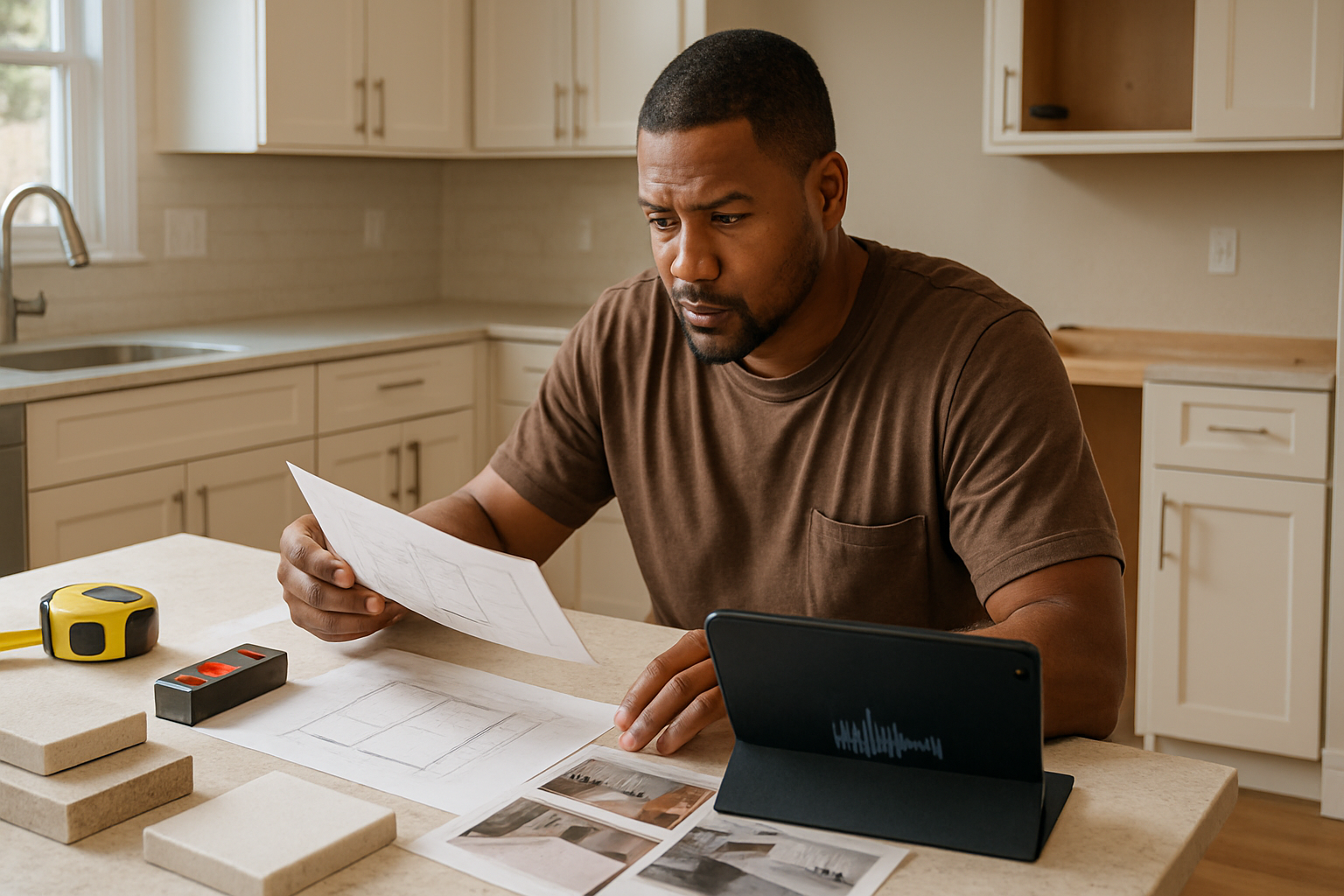
AI estimating software for cabinets contractors in Florida should help a cabinet contractor move from scattered job details to a reviewed bid draft faster. For a Jacksonville kitchen remodel, that can mean plans from the designer, field photos from the homeowner, a voice note from the site visit, cabinet finish selections, hardware choices, and a few measurements that still need confirmation.
The point is not to let software guess the final price. The useful workflow is AI-assisted estimating: organize the scope, quantities, assumptions, allowances, exclusions, and follow-up items so the contractor can review the bid, adjust labor and markup, and send a cleaner proposal without losing control.
The short answer for Florida cabinet contractors
AI estimating software for cabinets contractors in Florida is most useful when it turns cabinet plans, photos, videos, measurements, and scope notes into a structured estimate draft. That draft should separate cabinet boxes, doors, drawers, panels, fillers, trim, hardware, delivery, removal, installation labor, countertops coordination, plumbing or electrical coordination, and customer-facing assumptions.
For cabinet contractors, speed matters because many jobs arrive half-complete. The customer may know they want shaker doors and soft-close drawers, but the contractor still has to confirm wall lengths, appliance openings, ceiling height, scribe conditions, crown details, island scope, demolition, disposal, and whether the job includes install only or supply and install.
A good AI workflow helps create order before pricing starts. It should flag missing measurements and unclear selections instead of hiding them inside a vague lump sum.
Why cabinet estimating is different in Florida
Florida cabinet work has its own estimating problems. In Jacksonville and across the state, cabinet contractors often bid occupied remodels, rental turns, insurance repairs, coastal homes, condos, and new-construction punch work. Each job type changes the estimate.
Humidity and moisture exposure matter. Cabinet materials, finish selections, toe-kick areas, laundry rooms, garages, coastal properties, and bath vanities may need extra attention to substrate, ventilation, and customer expectations. The estimate should clearly state material assumptions instead of simply saying “install cabinets.”
Access also matters. A condo remodel may involve elevator schedules, parking limits, building protection, HOA rules, noise windows, and delivery coordination. A single-family Jacksonville remodel may involve tight kitchen access, slab-on-grade plumbing coordination, appliance delays, and work around occupied living space.
Permits and licensed trades should be handled carefully. Cabinet replacement by itself may be different from a kitchen remodel that changes electrical, plumbing, structural walls, ventilation, or life-safety items. Contractors should verify requirements with the local authority having jurisdiction and make permit assumptions clear in the proposal.
A practical AI-assisted cabinet estimating workflow
Use AI estimating software as a bid-prep assistant, not a blind price button. A solid Florida cabinet workflow looks like this:
1. Capture the job during the site visit. Take photos of every wall, ceiling condition, appliance opening, soffit, floor transition, plumbing location, electrical device, damaged area, and access path. Record a quick voice note with what the customer wants and what still needs selection.
2. Upload plans, photos, and notes together. Shop drawings show layout intent, but photos show field conditions. Combining both helps the estimate reflect actual install work: scribes, fillers, crown, end panels, uneven walls, and protection needs.
3. Build scope before price. Separate demolition, cabinet supply, cabinet install, trim, panels, hardware, delivery, disposal, protection, punch work, and coordination with countertops, electrical, plumbing, tile, or painting.
4. Confirm quantities and selections. Check box counts, linear footage, door and drawer counts, tall pantry units, island panels, crown or light rail, toe kick, fillers, knobs, pulls, hinges, slides, finish color, and any owner-supplied materials.
5. Review labor and risk. The contractor still decides crew productivity, trip charges, delivery effort, markup, payment schedule, and exclusions. AI can prepare the draft, but the person who knows the shop, crew, and jobsite has to approve the number.
6. Follow up with a clearer proposal. A clean estimate should make decisions easy: accepted finish, allowances not yet selected, what is excluded, when the bid expires, and what the customer must approve before ordering.
What to include in a Florida cabinet estimate
A strong cabinet estimate should be specific enough that the customer understands what they are buying and the contractor is not absorbing missing scope later. Include:
- Cabinet areas included, such as kitchen, island, pantry, laundry, bath vanity, mudroom, or garage
- Supply-only, install-only, or supply-and-install scope
- Cabinet material, finish, door style, drawer box, hinge, slide, and hardware assumptions
- Tall units, panels, fillers, crown, light rail, toe kick, and scribe details
- Demolition, haul-off, protection, delivery, staging, and cleanup
- Countertop, backsplash, appliance, plumbing, electrical, drywall, paint, and flooring coordination assumptions
- Permit or licensed-trade assumptions when the broader remodel requires them
- Exclusions, allowances, change-order process, payment schedule, and expiration date
The estimate does not need to be bloated. It needs to be clear. Clear scope protects margin and helps customers compare bids without guessing what is included.
Common mistakes cabinet contractors can avoid
The first mistake is pricing from cabinet count alone. Cabinet count matters, but install difficulty often hides in fillers, scribes, panels, crown, appliance openings, walls that are not square, and coordination with other trades.
The second mistake is failing to document selections. Door style, finish, drawer slides, hardware, and panel details can change cost quickly. If the customer has not selected them, the estimate should use a written allowance or clearly named assumption.
The third mistake is skipping jobsite logistics. Delivery, parking, elevators, occupied-home protection, humidity, demolition, disposal, and schedule windows all affect real cost.
The fourth mistake is sending the bid too late. Cabinet jobs can move fast once a homeowner, builder, or designer is ready. A faster draft helps, but only if the contractor still reviews every quantity, assumption, and exclusion.
How Estimado AI helps
Estimado AI is built for contractors who want estimating help without handing the job to a black box. Contractors can bring in blueprints, job photos, videos, and voice notes, then review an organized estimate draft with scope, quantities, materials, labor structure, assumptions, and customer-ready proposal details.
For Florida cabinet contractors, that means a faster path from a Jacksonville job walk or plan set to a bid that can be checked before it goes out. The contractor stays the senior estimator. Estimado acts like a junior estimator that prepares the draft, highlights missing information, and keeps the follow-up moving.
If your cabinet shop or install crew wants a cleaner path from field notes to reviewed bid drafts, join the Estimado AI waitlist and see how AI-assisted estimating can fit your workflow.
For more contractor estimating workflows, visit the Estimado blog.
FAQ
Can AI estimating software estimate cabinet jobs from photos?
AI-assisted workflows can use photos to help organize existing conditions, cabinet areas, access, and visible scope. Contractors should still verify measurements, selections, hidden conditions, and final quantities before sending a bid.
What should cabinet contractors in Florida double-check before bidding?
Double-check dimensions, appliance openings, door and drawer counts, finish selections, moisture exposure, delivery logistics, HOA or condo access, permit assumptions, and coordination with countertops, plumbing, electrical, tile, paint, and flooring.
Is AI estimating software a replacement for a cabinet estimator?
No. The best use is AI-assisted estimating. Software can prepare and structure the draft, but the contractor must review labor, materials, markup, exclusions, allowances, and final price.
How can faster cabinet estimates help a small Florida contractor?
Faster estimates can help a contractor respond while the customer is still engaged, reduce after-hours office work, and create a cleaner proposal. Speed only helps when the scope is still reviewed carefully.