AI Estimating Software for Insulation Contractors in Texas: Faster Houston Bids From Plans, Photos, and Scope Notes
A practical workflow for Texas insulation contractors who need faster Houston bids from plans, attic photos, measurements, scope notes, and follow-up details.


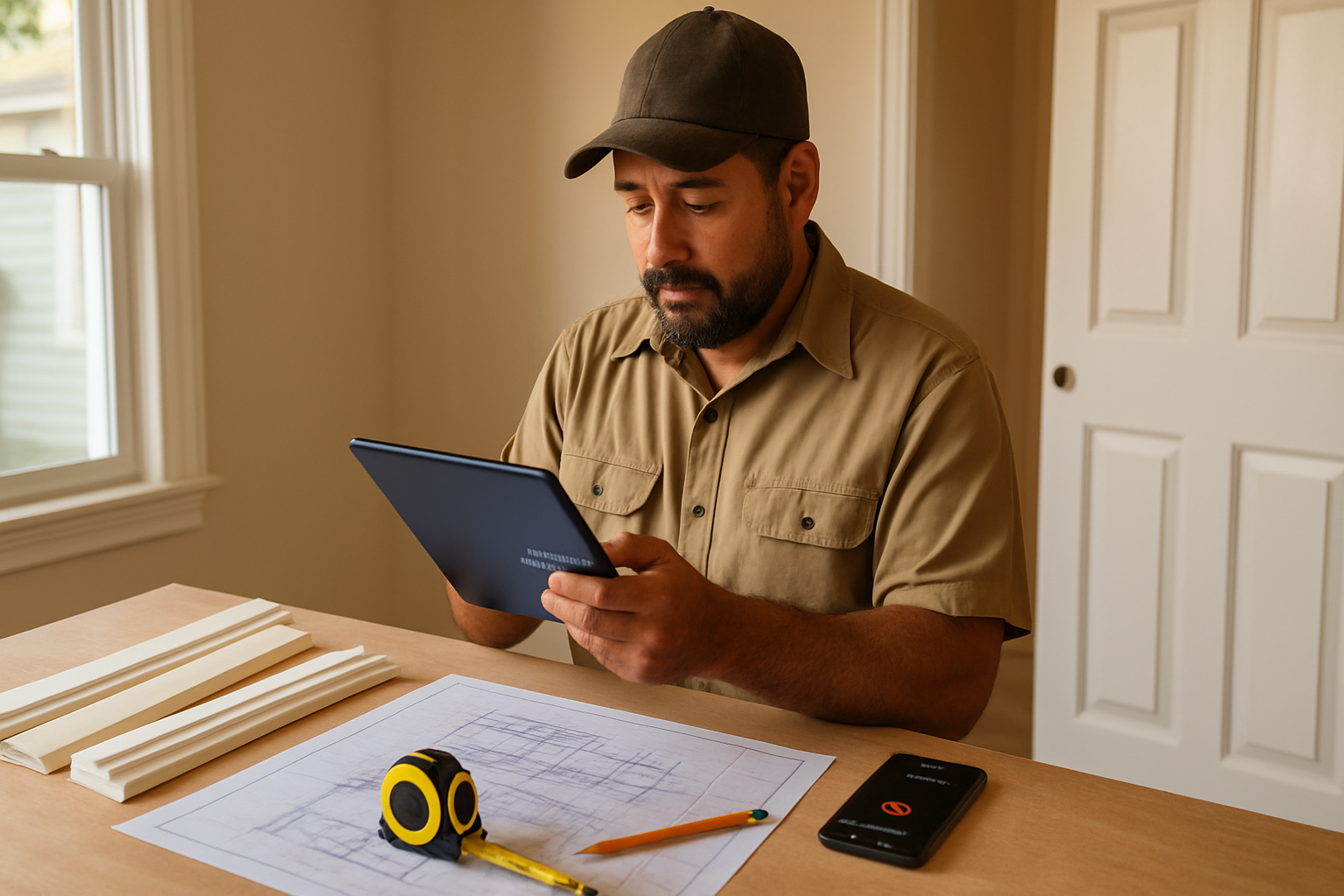
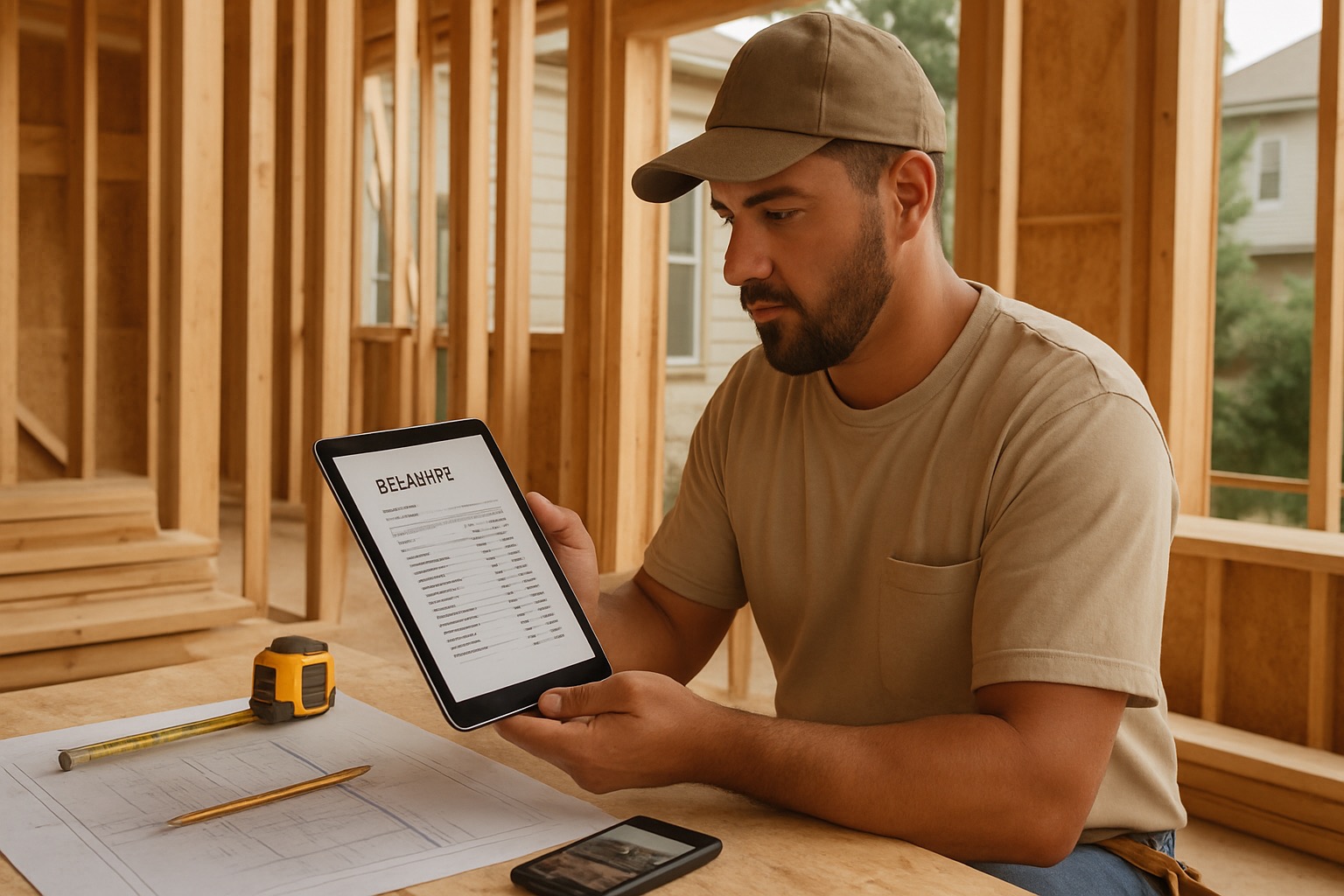
AI estimating software for insulation contractors in Texas should help an insulation contractor move from scattered job information to a reviewed bid draft faster. On a Houston attic retrofit, that information may include attic photos, square footage from plans, access notes, existing R-value, air-sealing needs, ventilation concerns, duct locations, and a voice note from the job walk.
The goal is not to let software guess the final price. The useful workflow is AI-assisted estimating: organize the scope, quantities, assumptions, exclusions, and follow-up items so the contractor can review labor, material choices, markup, and risk before anything goes to the customer.
AI estimating software for insulation contractors in Texas: the short answer
AI estimating software for insulation contractors in Texas is most useful when it turns blueprints, attic photos, videos, measurements, and scope notes into a structured estimate draft. That draft should separate insulation type, area, depth or R-value target, air sealing, removal, prep, access, protection, ventilation notes, disposal, labor, and customer-facing assumptions.
For insulation contractors, speed matters because many leads arrive with partial information. A homeowner may send three attic photos and say the house is too hot. A remodeler may send plans but not clarify whether the bid includes walls, attic, garage ceiling, rim joists, or sound control. A builder may need a quick number for batt insulation, blown-in attic insulation, or spray foam before the next schedule update.
A good AI workflow creates order before pricing starts. It should flag missing details instead of burying them inside a lump sum.
Why insulation estimating is different in Texas and Houston
Texas insulation work is shaped by heat, humidity, long cooling seasons, and very different job types across the state. Houston adds its own practical issues: hot-humid Gulf Coast conditions, older housing stock, attic equipment, tight access, storm repair work, and remodels where the homeowner may care about comfort as much as energy savings.
That context affects the estimate. Blown-in attic insulation is not priced the same way as open-wall batts, garage ceiling insulation, sound-control batts in a remodel, or spray foam at roof deck. Existing insulation depth, air leaks, bathroom fan terminations, recessed lights, ductwork, attic flooring, knob-and-tube concerns in older properties, and moisture conditions can all change the scope.
Code and program requirements should also be handled carefully. Texas contractors should verify current energy-code requirements, local amendments, utility-program rules, and permit expectations with the authority having jurisdiction or project team. The estimate should clearly say what R-value target, product type, and prep assumptions are included, and what is excluded until field conditions are confirmed.
A practical AI-assisted insulation estimating workflow
Use AI estimating software as a bid-prep assistant, not a blind price button. A solid Texas insulation workflow looks like this:
1. Capture the job clearly. Take photos of attic access, existing insulation depth, roof framing, ventilation, duct locations, bathroom fans, recessed lights, wiring, moisture stains, knee walls, garage ceilings, and any areas with limited access. Record a short voice note with what the customer wants and what is uncertain.
2. Combine photos, plans, and notes. Plans help with square footage and wall or ceiling areas. Photos show the real jobsite: access, obstructions, old insulation, debris, and safety concerns. Voice notes preserve context from the walkthrough.
3. Separate scope before price. Break out attic blow-in, batt installation, spray foam, insulation removal, air sealing, baffles, access protection, prep, cleanup, disposal, and any coordination with HVAC, electrical, drywall, roofing, or remodeling crews.
4. Confirm quantities and assumptions. Check square footage, cavity depth, target R-value, existing insulation, product type, waste, minimum charges, crew size, setup time, travel, and whether the customer or general contractor is responsible for clearing stored items.
5. Review labor and risk. The contractor still decides productivity, access difficulty, material choice, trip charges, markup, and exclusions. AI can prepare the estimate draft, but the person who knows the crew and jobsite approves the final number.
6. Follow up with a cleaner proposal. The bid should make the decision easy: what areas are included, what product is used, what R-value or depth is assumed, what prep is included, what is excluded, and what must be verified before work starts.
What to include in a Texas insulation estimate
A strong insulation estimate protects margin because it makes the scope visible. Include:
- Areas included, such as attic, exterior walls, garage ceiling, interior sound-control walls, crawlspace, knee walls, rim joists, or roof deck
- Insulation type, such as blown-in fiberglass, cellulose, batts, mineral wool, rigid board, open-cell spray foam, or closed-cell spray foam
- Target R-value, thickness, cavity depth, or assembly assumption where applicable
- Existing insulation removal, disposal, prep, air sealing, baffles, attic rulers, and access protection
- Obstructions and logistics, including attic equipment, ductwork, tight hatches, parking, occupied-home protection, heat exposure, and schedule limits
- Exclusions for electrical corrections, roof leaks, mold remediation, pest damage, ventilation fixes, drywall repair, painting, or hidden conditions unless included in writing
- Payment schedule, change-order process, warranty language, and proposal expiration date
The estimate does not need to be long. It needs to be specific enough that the customer, builder, or remodeler understands what is included.
Common mistakes insulation contractors can avoid
The first mistake is bidding from square footage alone. Area matters, but access, existing material, removal, obstructions, air sealing, product type, and heat conditions can change the real crew time.
The second mistake is using vague product language. “Add insulation” is not enough. The proposal should name the material, area, target depth or R-value, and any prep included.
The third mistake is ignoring moisture and ventilation notes. In Houston especially, insulation work can intersect with roof leaks, bath fan terminations, duct sweating, attic ventilation, and humidity complaints. Contractors should document visible concerns and avoid promising results outside their scope.
The fourth mistake is sending the bid too late. Insulation leads often come during comfort problems, remodel schedule pressure, or builder deadlines. Faster drafts help, but only when the contractor still checks the final scope and price.
How Estimado AI helps
Estimado AI is built for contractors who want estimating help without handing the job to a black box. Contractors can bring in blueprints, job photos, videos, and voice notes, then review an organized estimate draft with scope, quantities, materials, labor structure, assumptions, and customer-ready proposal details.
For Texas insulation contractors, that means a faster path from a Houston job walk or plan set to a bid that can be checked before it goes out. The contractor stays the senior estimator. Estimado acts like a junior estimator that prepares the draft, highlights missing information, and keeps the follow-up moving.
If your insulation company wants to turn photos, plans, and field notes into cleaner estimate drafts without giving up final review, join the Estimado AI waitlist and see how AI-assisted estimating can support your crew.
For more contractor estimating workflows, visit the Estimado blog.
FAQ
Can AI estimating software estimate insulation jobs from photos?
AI-assisted workflows can use photos to organize visible conditions, access issues, existing insulation, and scope notes. Contractors should still verify measurements, product choice, target R-value, hidden conditions, and final quantities before sending a bid.
What should insulation contractors in Texas double-check before bidding?
Double-check square footage, attic or wall access, existing insulation depth, air-sealing needs, ventilation concerns, moisture signs, product type, R-value target, removal scope, disposal, heat exposure, and any local code or program requirements.
Is AI estimating software a replacement for an insulation estimator?
No. The best use is AI-assisted estimating. Software can prepare and structure the draft, but the contractor must review labor, materials, markup, exclusions, assumptions, and final price.
How can faster insulation estimates help a small Texas contractor?
Faster estimates can help a contractor respond while the customer is still engaged, reduce after-hours office work, and send a clearer proposal. Speed only helps when the scope is reviewed carefully.