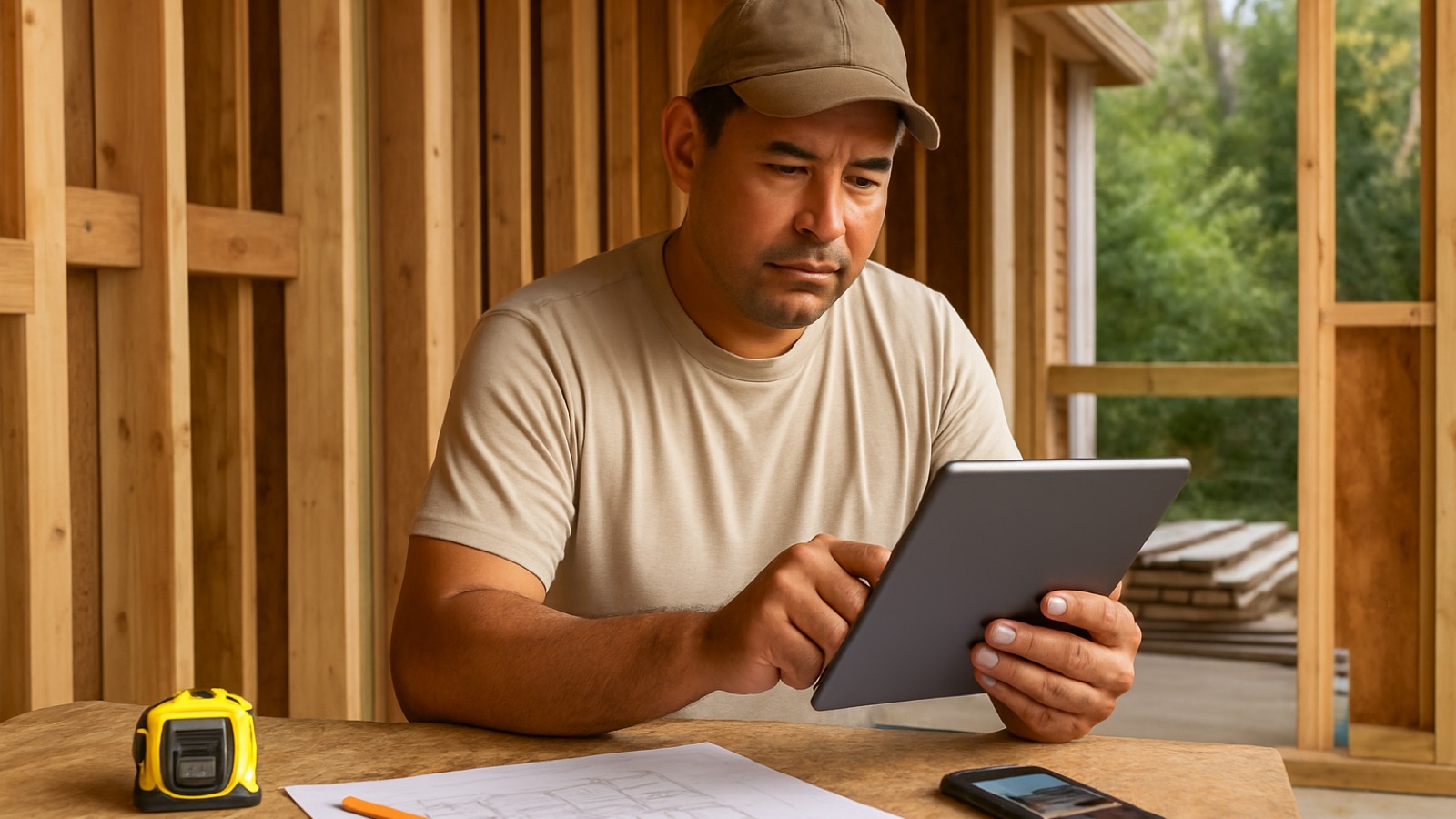
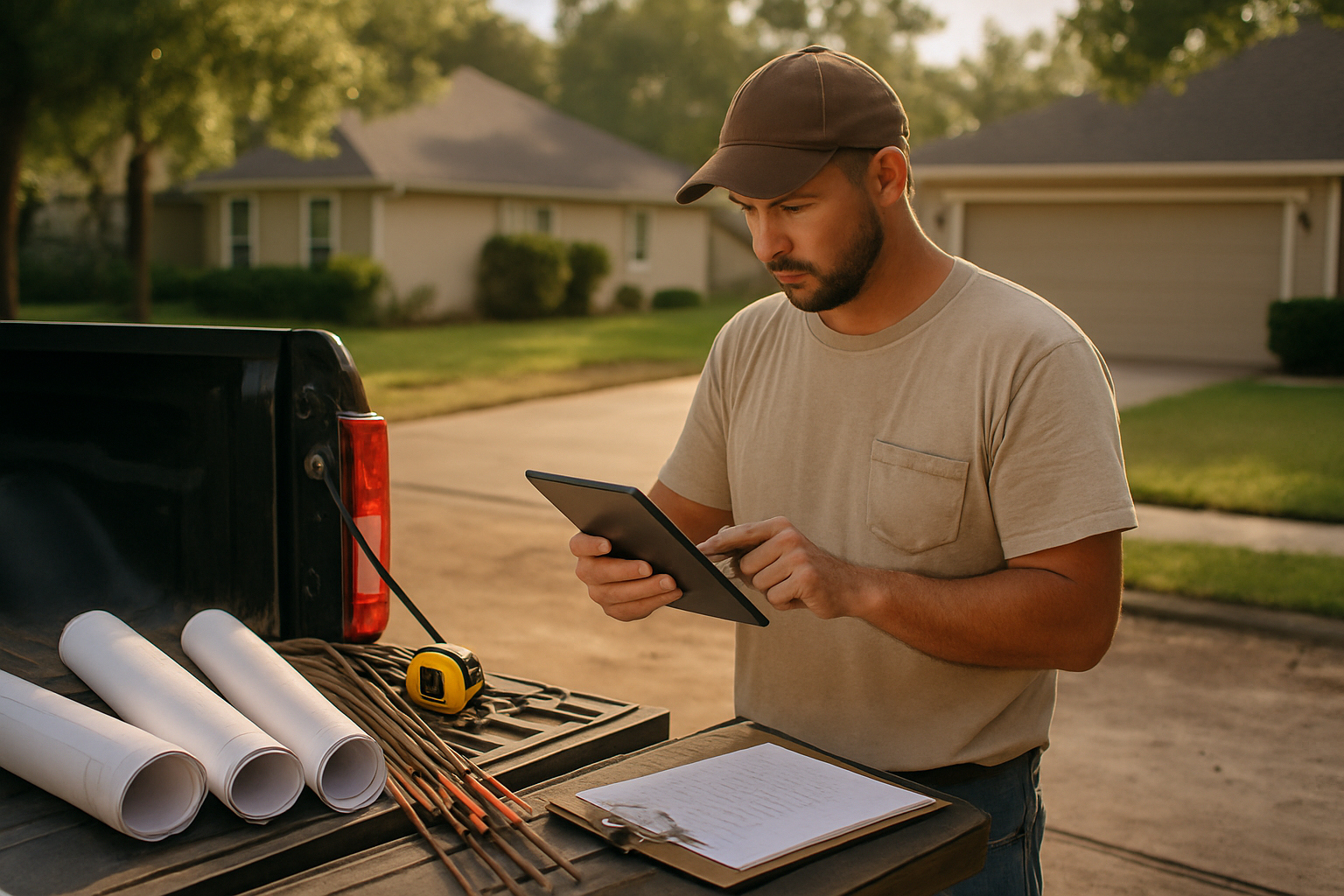
AI Estimating Software for Finished Carpentry Contractors in Florida: Faster Jacksonville Trim Bids From Plans, Photos, and Field Notes
A practical Florida estimating workflow for finished carpentry contractors bidding Jacksonville trim, doors, built-ins, punch work, and scope-heavy remodels.

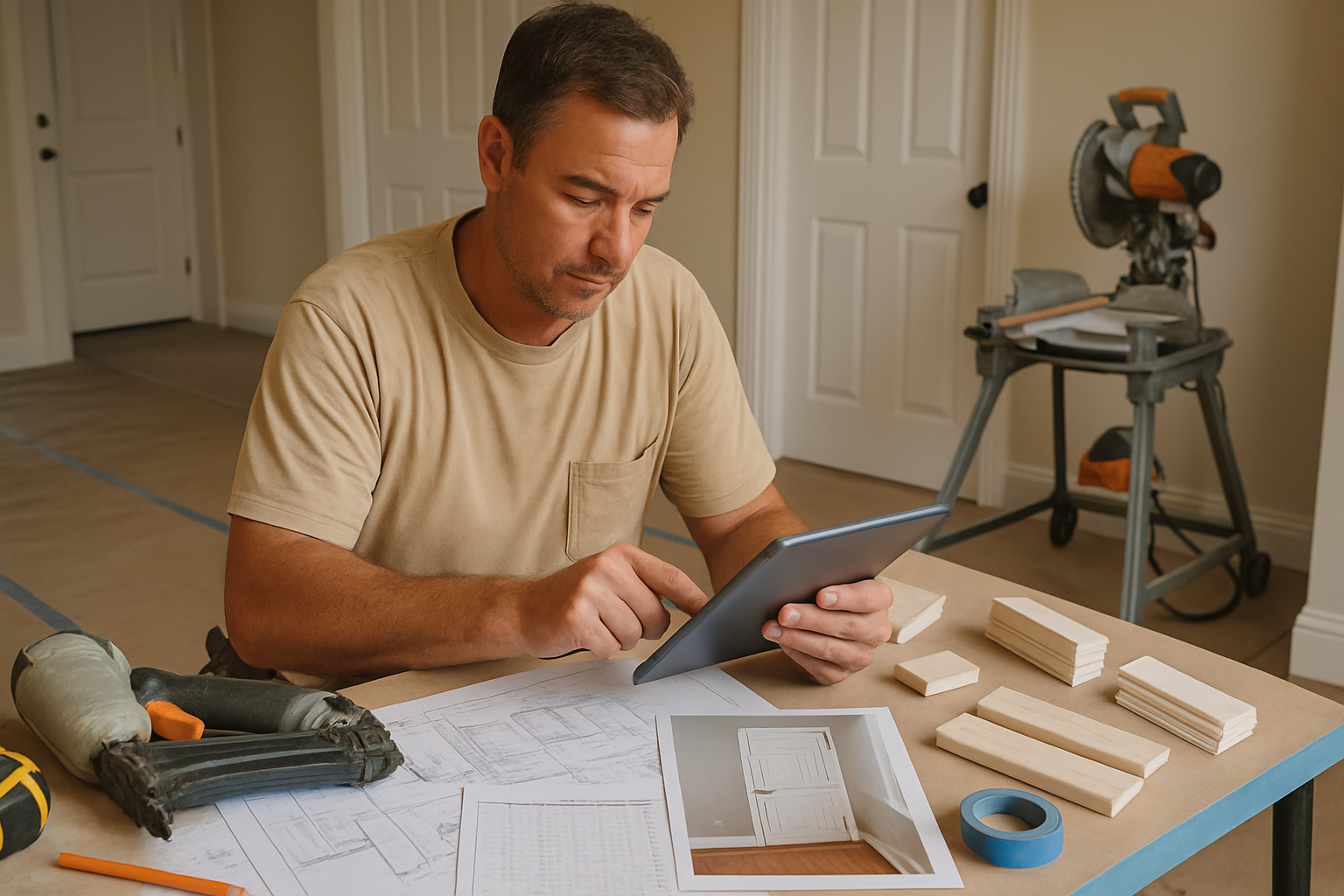
AI estimating software for finished carpentry contractors in Florida should help a finish carpenter turn trim scope, door schedules, job photos, punch notes, and measurements into a cleaner bid draft faster. For a Jacksonville remodel or builder punch job, the details may include base, casing, crown, interior doors, built-ins, hardware, jamb extensions, stair trim, and a list of field conditions that are easy to miss when the estimate is built after hours.
The goal is not to let software guess the final price. The useful workflow is AI-assisted estimating: organize the scope, quantities, assumptions, exclusions, and follow-up items so the contractor can review labor, material, markup, and schedule before the proposal goes out.
The short answer for Florida finished carpentry contractors
AI estimating software for finished carpentry contractors in Florida is most useful when it turns plans, photos, videos, and field notes into a structured estimate draft. That draft should separate trim material, door and hardware scope, built-ins, stair details, install labor, prep work, protection, cleanup, exclusions, and open questions.
Finished carpentry is detail-heavy. Two homes with the same square footage can price very differently if one has simple paint-grade base and casing while the other has stain-grade trim, crown, panel molding, custom shelves, pocket doors, uneven walls, and tight occupied-home access. A good AI workflow helps surface those differences before the contractor commits to a number.
Why finished carpentry estimating is different in Florida
Florida finish carpentry bids often mix speed, humidity, access, and coordination problems. In Jacksonville, a contractor may quote a coastal rental refresh one day, a custom trim package in a new build the next, and a punch list on an occupied remodel after that. Each job needs a different scope structure.
Moisture and air conditioning matter. Interior trim, MDF, finger-jointed material, stain-grade stock, exterior-facing doors, garage trim, laundry areas, and coastal properties can all have different material and handling assumptions. The estimate should state whether the bid includes paint-grade or stain-grade material, caulk and putty, finish prep, priming, paint by others, or special moisture-resistant details.
Florida construction also brings block walls, slab-on-grade homes, hurricane-rated openings, condo access, HOA rules, elevator scheduling, and builder closeout pressure. A finish carpenter may need to price extra trips, staging limits, protected floors, parking, dust control, or coordination with flooring, painting, cabinets, countertops, drywall, and doors.
Permits are not usually the center of a simple trim package, but the broader job can change that. Exterior door changes, stair/guard work, structural openings, egress-related work, or work tied to other licensed trades should be verified with the local authority having jurisdiction. The estimating workflow should keep those assumptions visible instead of burying them in a lump sum.
A practical AI-assisted finished carpentry estimating workflow
Use AI estimating software as bid preparation, not as a blind price button. A solid Florida workflow looks like this:
1. Capture the room-by-room scope. Take photos of every room, doorway, stair area, built-in location, floor transition, damaged trim area, and access path. Record a short voice note with what the customer, builder, or designer asked for.
2. Upload plans, door schedules, photos, and notes together. Plans may show door counts and trim profiles, but photos show actual field conditions: uneven walls, missing backing, finished floors, tight corners, existing paint, damaged jambs, and owner-occupied protection needs.
3. Separate scope before pricing. Break the estimate into baseboard, casing, crown, chair rail, panel molding, interior doors, exterior-facing doors, hardware, built-ins, shelves, stair trim, prep, caulk, putty, punch work, cleanup, and return trips.
4. Confirm quantities and material assumptions. Check linear footage, door count, casing sides, jamb extensions, plinth blocks, rosettes, crown complexity, outside corners, waste, hardware sets, shelf material, finish grade, and whether painting or staining is included.
5. Review labor and schedule risk. The contractor still decides productivity, crew size, trip charges, markup, and schedule. AI can organize the draft, but the finish carpenter knows whether the job is clean new construction, a slow occupied remodel, or a punch-list job with several small return visits.
6. Follow up with a sharper proposal. A clean estimate should tell the customer what is included, what is excluded, what selections are pending, when the bid expires, and what changes become a change order.
What to include in a Florida finished carpentry estimate
A strong finished carpentry estimate should be clear enough that the customer understands the scope and the contractor is not absorbing hidden details later. Include:
- Areas included, such as bedrooms, living areas, stairs, closets, built-ins, exterior-facing doors, or garage trim
- Trim profiles, material grade, paint-grade or stain-grade assumptions, and finish responsibility
- Linear footage, door counts, hardware counts, shelf counts, crown details, and waste assumptions
- Protection, staging, delivery, disposal, cleanup, and occupied-home access requirements
- Coordination with drywall, paint, flooring, cabinets, countertops, doors, electrical, and other trades
- Exclusions, allowances, change-order rules, schedule assumptions, payment terms, and bid expiration
The estimate does not need to be long. It needs to be specific. Clear scope protects margin and helps the customer compare proposals without guessing what is included.
Common mistakes finished carpentry contractors can avoid
The first mistake is pricing trim from square footage alone. Square footage misses profile complexity, ceiling height, outside corners, casing sides, door prep, finish grade, built-ins, stairs, and field conditions.
The second mistake is not separating paint-grade from stain-grade work. Material handling, visible defects, sanding, finish prep, and installation speed can change quickly when stain-grade expectations are involved.
The third mistake is skipping logistics. In Florida condos, rentals, and occupied homes, parking, elevators, HOA windows, floor protection, dust control, humidity, and return trips can affect real cost.
The fourth mistake is sending a vague bid too late. Fast follow-up helps only when the proposal is still reviewed carefully and the scope is clear.
How Estimado AI helps
Estimado AI is built for contractors who want estimating help while keeping the contractor in control. Contractors can bring in blueprints, job photos, videos, and voice notes, then review an organized estimate draft with scope, quantities, material assumptions, labor structure, exclusions, and customer-ready proposal details.
For Florida finished carpentry contractors, that means a faster path from a Jacksonville walk-through or plan set to a bid that can be checked before it goes out. Estimado acts like a junior estimator that prepares the draft and highlights missing information, while the contractor remains the senior estimator on the job.
If your finished carpentry crew wants cleaner bid drafts without giving up control of the final number, join the Estimado AI waitlist and see how AI-assisted estimating can support your workflow.
For more contractor estimating workflows, visit the Estimado blog.
FAQ
Can AI estimating software estimate finished carpentry from photos?
AI-assisted workflows can use photos to organize room conditions, trim locations, access issues, damaged areas, and visible scope. Contractors should still verify measurements, material selections, hidden conditions, and final quantities before sending a bid.
What should Florida finish carpenters double-check before bidding?
Double-check trim profiles, linear footage, door and hardware counts, finish grade, moisture exposure, access limits, protection needs, paint or stain responsibility, return trips, exclusions, and coordination with other trades.
Is AI estimating software a replacement for a finished carpentry estimator?
No. The best use is AI-assisted estimating. Software can prepare and structure the bid draft, but the contractor must review labor, materials, markup, scope, exclusions, and final price.
How can faster finished carpentry estimates help a small Florida contractor?
Faster estimates can help a contractor respond while the lead is still active, reduce nighttime office work, and send a more professional proposal. Speed only helps when the contractor still reviews the details.