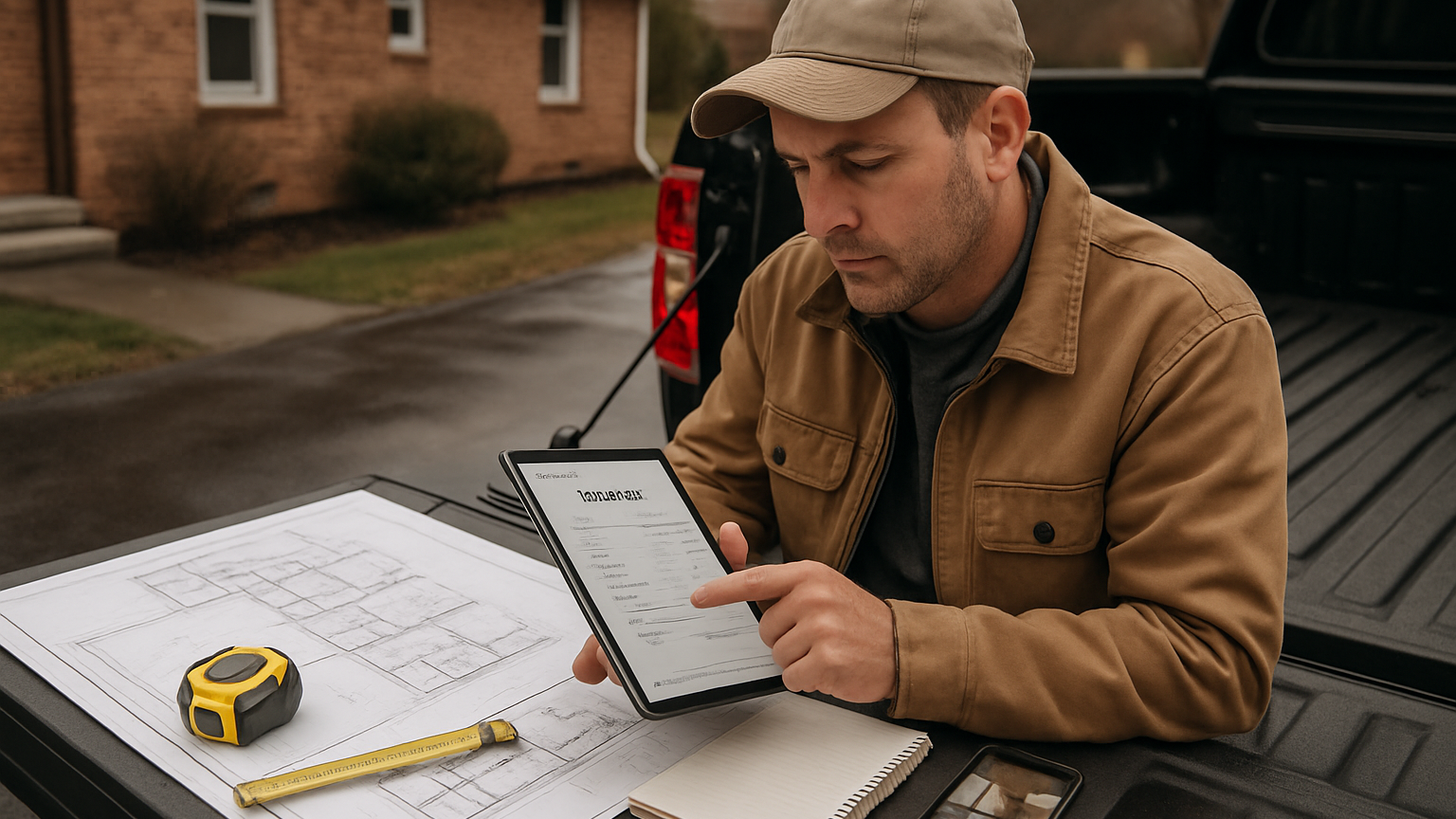
AI Estimating Software for Ohio Contractors: Faster Bids for Columbus and Statewide Jobs
A practical guide to AI estimating software for Ohio contractors bidding Columbus, Cleveland, Cincinnati, rural, and statewide jobs faster.

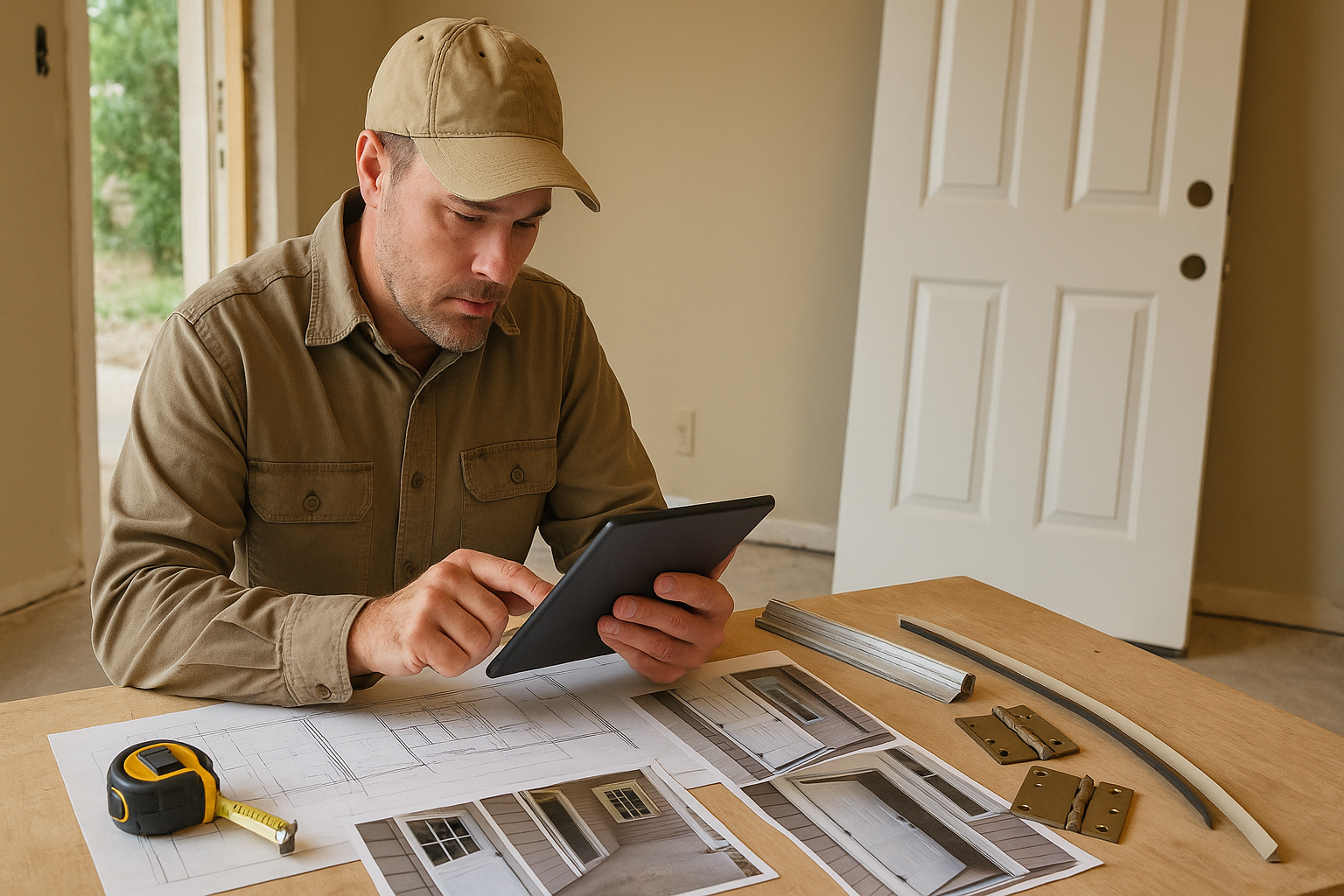
AI estimating software for Ohio contractors should do more than make a proposal look cleaner. It should help a busy contractor turn job photos, blueprints, videos, and voice notes into a reviewed estimate faster, while still leaving the final judgment to the contractor. That matters in Ohio because many contractors are bidding a mix of Columbus remodels, Cleveland-area older homes, Cincinnati hillside work, Dayton additions, Toledo repair jobs, rural service calls, and seasonal exterior projects where timing, scope, and risk notes can change the price.
The goal is not to let software guess your number. The goal is to create a better estimating workflow: capture the job clearly, separate what is known from what needs review, build a professional scope, and follow up before the lead goes cold.
Key takeaway: AI estimating software for Ohio contractors should speed up review-ready bids
The best use of AI in Ohio estimating is not replacing trade knowledge. It is reducing the admin drag between the site visit and the quote.
For a small or mid-sized contractor, the slow parts are usually familiar:
- Sorting through photos after a long day
- Re-reading notes from the homeowner, GC, or property manager
- Pulling quantities from a plan set or marked-up PDF
- Turning a rough scope into a clean customer-facing proposal
- Remembering what exclusions, allowances, and clarifying questions belong in the bid
- Following up without sounding desperate or disorganized
A good AI-assisted workflow helps collect those pieces into an estimate draft. The contractor still checks measurements, labor, markup, material choices, permit assumptions, and risk before anything gets sent.
Why Ohio estimating has its own workflow problems
Ohio is not a one-job-type market. A contractor can see a new subdivision project near Columbus, a kitchen remodel in an older Cleveland suburb, a Cincinnati deck or retaining-wall-adjacent project on a sloped lot, and a rural repair job with travel time all in the same week. That variety makes a generic estimate template risky.
A few Ohio-specific estimating considerations show up often:
- Seasonal exterior work: Roofing, siding, concrete, painting, decks, and landscaping schedules can be compressed by freeze-thaw cycles, wet springs, and winter weather. Your estimate should make timing and weather-sensitive assumptions clear.
- Older housing stock: In Cleveland, Cincinnati, Dayton, Toledo, and many inner-ring suburbs, remodels may involve older framing, plaster, outdated mechanicals, or surfaces that need more prep than a newer home. Those unknowns belong in the scope notes.
- Local permit differences: Ohio contractors often deal with local building departments and authorities having jurisdiction. Even when the trade work is routine, the estimate should say who is responsible for permit research, fees, inspections, and delays.
- Utility and excavation risk: For exterior jobs, drainage work, fence posts, hardscape, trenching, and service upgrades, the estimate should flag utility locate requirements and excavation unknowns before the crew mobilizes.
- Travel and mobilization: Rural Ohio jobs can be profitable, but only if travel, delivery, disposal, and return trips are priced instead of hidden in labor.
That is why AI estimating software for contractors should not push every Ohio job through one canned template. It should help reason through the specific job type, location, inputs, and unknowns.
A practical AI-assisted estimating workflow for Ohio contractors
Use this workflow whether you are bidding a remodel in Columbus, a repair in Akron, a commercial maintenance job in Toledo, or a residential exterior project outside a smaller town.
1. Capture the job while the details are fresh
Before leaving the site, collect the raw material for the estimate:
- Wide photos of each work area
- Close-up photos of damaged areas, transitions, penetrations, or unusual conditions
- A short video walkthrough when the layout is hard to explain
- A voice note describing what the customer wants, what you noticed, and what still needs confirmation
- Any drawings, sketches, plan sheets, finish schedules, or customer-provided specs
The voice note is especially useful. Saying “replace the back door, patch the rotten subfloor at the threshold, install new trim, exclude painting unless approved” is faster than typing it in the truck later.
2. Separate scope from assumptions
An estimate gets dangerous when scope, assumptions, and guesses are mixed together. Break the draft into three buckets:
1. Confirmed scope: Work the customer clearly requested and you can price.
2. Assumptions: Items you are pricing based on visible conditions, standard methods, or plan notes.
3. Open questions: Measurements, hidden conditions, product selections, access limits, permit requirements, or owner responsibilities that need review.
This is where AI can help organize the messy inputs, but the contractor needs to decide what belongs in the final number.
3. Build the estimate around real line items
Ohio contractors should avoid one-line bids unless the job is truly small. A professional estimate usually needs line items for labor, materials, equipment, disposal, permits or allowances, mobilization, and exclusions.
For example, a Columbus bathroom remodel estimate might separate demolition, plumbing rough-in, substrate repair, tile installation, finish carpentry, disposal, and allowance items. A Cleveland exterior repair might separate access, removal, substrate replacement, waterproofing, finish material, paint or sealant, and weather-related scheduling notes.
The line items do not have to expose every internal cost, but they should make the scope understandable enough that the customer can approve the work without guessing what is included.
4. Add Ohio-specific risk notes before sending
Before the estimate leaves your hands, scan for state and local issues that could affect cost or timing:
- Does the work need local permit confirmation?
- Is there digging, trenching, drainage work, or post installation that may require utility locate coordination?
- Are exterior materials affected by cold-weather installation rules or manufacturer temperature limits?
- Is the building old enough that hidden substrate, lead-safe work practices, or hazardous material concerns should be clarified?
- Does the project require city parking, alley access, elevator scheduling, sidewalk protection, or debris rules?
- Are you pricing travel, delivery, disposal, and return trips separately enough?
These notes do not need to scare the customer. They simply protect both sides from assumptions that turn into arguments later.
5. Follow up with context, not just “checking in”
The estimate is not the end of the sales process. Ohio homeowners, property managers, and GCs often compare bids while juggling schedules and financing. A useful follow-up can remind them what problem the estimate solves.
Instead of “just checking in,” try something like: “I wanted to make sure the scope is clear on the door replacement and subfloor repair. The price includes removal, new installation, trim, and disposal, but painting is listed as an option so you can decide before scheduling.”
That kind of follow-up helps the customer understand the bid and gives you a reason to reopen the conversation.
Common estimating mistakes to avoid in Ohio
The biggest mistakes are not always math errors. Many are workflow errors.
- Bidding from memory after a long day: Details fade fast. Photos, videos, and voice notes keep the estimate connected to the actual site.
- Forgetting mobilization: Delivery, dump runs, rural travel, parking, and return trips can eat margin if they are buried.
- Leaving exclusions vague: If painting, permit fees, hidden rot, concrete repair, electrical upgrades, or finish selections are not included, say so clearly.
- Using the same scope language everywhere: A Columbus new-build punch list, a Cincinnati hillside repair, and a Cleveland older-home remodel need different assumptions.
- Sending too late: The contractor who sends a clear estimate while the customer still remembers the conversation often has a better shot than the contractor who waits a week.
- Letting software make the final call: AI can draft, organize, and flag missing details. The contractor still needs to review the scope, labor, markup, and risk.
How Estimado AI helps
Estimado AI is being built as AI estimating software for contractors who want a faster path from job intake to professional estimate draft. A contractor can bring in job photos, blueprints, videos, voice notes, and written descriptions. Estimado helps turn those inputs into structured scope, material and labor breakdowns for review, and a customer-ready estimate draft. For more estimating workflow articles, contractors can also use the Estimado contractor estimating blog.
The important part is control. Estimado is not meant to send estimates without the contractor. It works more like a junior estimator at your side: organizing the job, reasoning through the scope, surfacing unknowns, and helping you get to a clean draft faster. You still approve the final number before it goes to the customer.
For Ohio contractors trying to quote faster without hiring more office staff, that can mean fewer nights rewriting notes, fewer vague proposals, and a more consistent bid process across Columbus, Cleveland, Cincinnati, Dayton, Toledo, Akron, rural towns, and suburban work.
Next step
If your Ohio estimating process still depends on late-night notes, scattered photos, and proposals written from memory, Estimado AI is built for the workflow you are trying to tighten. For a faster way to turn job photos, blueprints, videos, and voice notes into reviewed estimate drafts, get on the Estimado AI contractor waitlist.
FAQ
What is AI estimating software for Ohio contractors?
AI estimating software for Ohio contractors helps convert job inputs such as photos, plans, videos, voice notes, and written scopes into organized estimate drafts. The contractor reviews the scope, quantities, labor, pricing, assumptions, and exclusions before sending.
Can AI estimating software handle different Ohio cities?
It can help organize city-specific assumptions, but the contractor still needs to confirm local permit rules, inspection requirements, access limits, and material choices. A Columbus remodel, Cleveland repair, and Cincinnati exterior project may need different notes.
Should AI replace my estimating process?
No. AI should improve the process, not replace contractor judgment. Use it to speed up capture, organization, scope drafting, and follow-up, then review the final estimate yourself.
What inputs should I collect before using AI estimating software?
Collect clear photos, a short walkthrough video, voice notes, plan sheets or sketches, product selections, customer requests, site measurements, and any known constraints such as access, schedule, permits, or disposal.
How can Ohio contractors avoid underbidding?
Avoid underbidding by separating confirmed work from assumptions, pricing mobilization and disposal, clarifying exclusions, reviewing weather and access issues, and not letting hidden conditions stay buried in vague scope language.