AI Estimating Software for New York Contractors: Faster Bids for NYC and Statewide Jobs
New York contractors can use AI estimating software to organize photos, blueprints, videos, voice notes, and local job constraints into clearer estimate drafts for New York City, Long Island, Upstate, and statewide work.


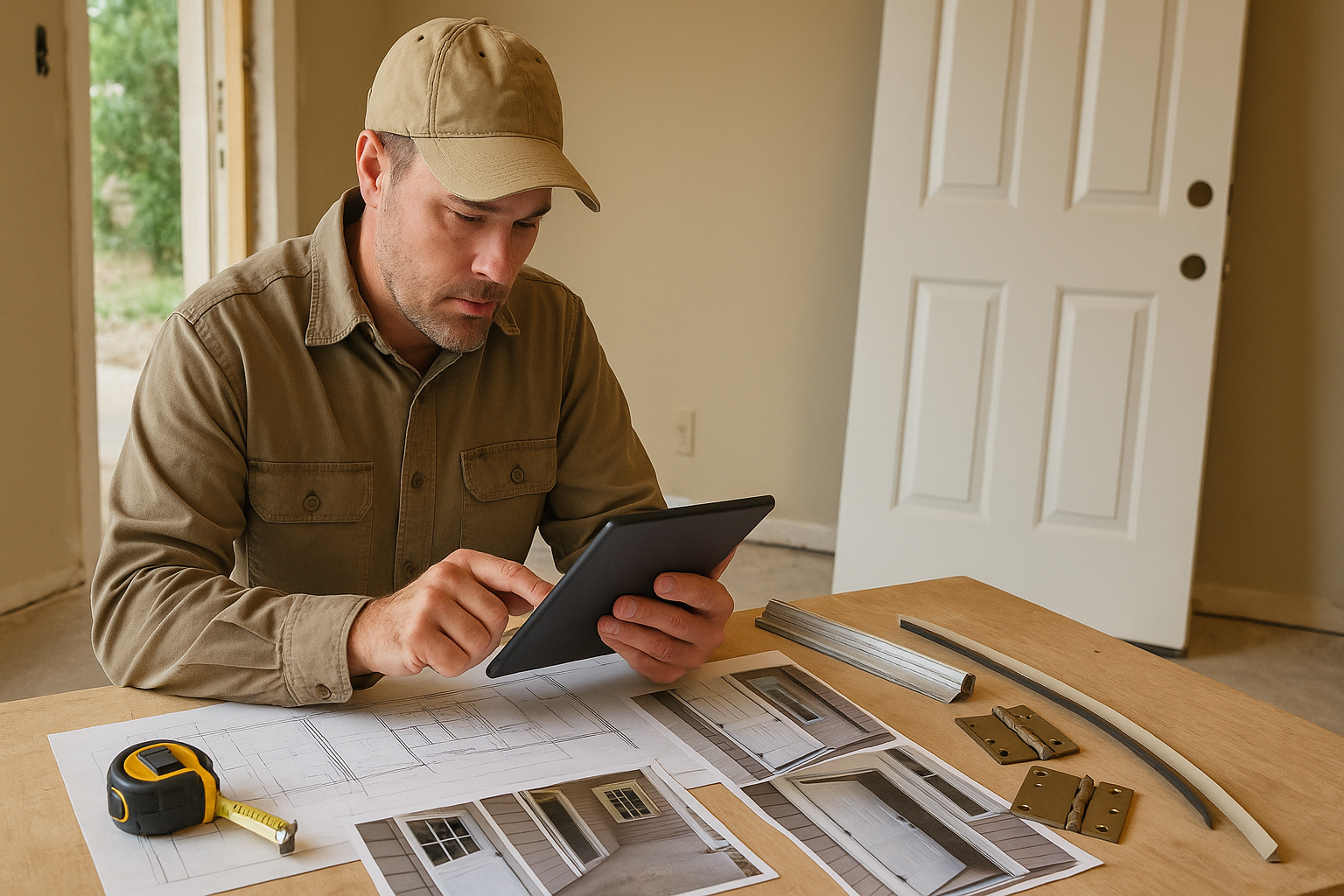
AI estimating software for New York contractors is most useful when it turns scattered job inputs into a clean estimate draft: site photos, blueprints, short walkthrough videos, customer texts, measurements, and voice notes organized into scope, quantities, assumptions, exclusions, and follow-up questions.
That matters in New York because a Manhattan apartment renovation, a Brooklyn brownstone repair, a Long Island exterior job, and an Upstate commercial build-out can all price differently even when the material list looks simple. The contractor still owns the final number. The software should help you move faster without flattening every job into the same template.
The direct answer: what AI estimating software for New York contractors should do
The right AI estimating software for New York contractors should work like a junior estimator at your side. It should read the job inputs, structure the bid, point out missing information, and make the estimate easier for you to review. It should not guess hidden conditions, decide local code requirements on its own, or send a proposal without contractor approval.
A useful system separates four parts of the bid:
1. Known scope: what the customer asked for, what drawings show, and what photos or videos confirm.
2. Measured quantities: square footage, lineal footage, openings, fixtures, assemblies, demolition areas, and material counts.
3. Assumptions and exclusions: access, parking, disposal, patching, hidden damage, owner selections, weather delays, and work not included.
4. Open questions: permits, DOB or municipal review, building rules, utility markouts, lead-safe practices, landmarks, and finish selections.
That structure is what keeps a fast estimate from becoming a risky estimate.
Why New York estimates need real local context
New York contractors deal with some of the widest job-condition swings in the country. In New York City, estimates often need to account for elevator reservations, freight access, building insurance requirements, sidewalk or curb loading limits, occupied units, tight staging, protected common areas, and neighbors on every side of the work. A bathroom, flooring, paint, door, or repair job may be small in square footage but still heavy in logistics.
Older New York City buildings add more estimating risk. Prewar apartments, brownstones, townhouses, and mixed-use buildings can involve plaster, uneven framing, old plumbing, older electrical conditions, lead-safe considerations, asbestos questions, and owner or building rules that affect what can be opened, patched, hauled, or scheduled. In parts of Brooklyn, Queens, Manhattan, and the Bronx, a simple photo does not tell the whole story.
Outside the city, the estimating context changes again. Long Island and coastal work can bring salt air, wind exposure, moisture, flood-zone questions, and seasonal schedule pressure. Hudson Valley and Upstate jobs may involve freeze-thaw wear, snow windows, rural travel time, supplier distance, lake-effect weather, older farm or commercial buildings, and different municipal inspection processes. The bid should show what the contractor understood about the property, not just a price.
A practical estimating workflow for New York contractors
Use this workflow when a lead comes from a phone call, photos, a plan set, a walkthrough video, or a voice memo after the site visit.
1. Build the job packet before pricing
Collect the address, borough or municipality, customer request, photos, videos, plan sheets, room dimensions, finish notes, access limitations, parking or loading restrictions, desired timeline, and known permit or inspection questions. For New York City work, also capture building management rules, work-hour limits, certificate of insurance requirements, elevator reservations, debris route, protection requirements, and whether the customer, owner, architect, or contractor is handling approvals.
For excavation, exterior drainage, hardscape, or utility-adjacent work, add a utility markout reminder early. For occupied apartments or businesses, document cleanup, dust control, daily access, noise constraints, and what areas must remain usable.
2. Turn raw inputs into trade-specific scope
A good estimate draft should convert messy intake into line items a contractor can review. For a New York City apartment kitchen, that might include floor and hallway protection, selective demolition, cabinet removal, plumbing disconnects, electrical adjustments, patching, hauling path, daily cleanup, finish installation, and exclusions for hidden damage behind walls.
For a Brooklyn brownstone repair, the estimate may need to separate plaster repair, trim matching, masonry or facade questions, landmarks review if applicable, staging, disposal, and change-order language for conditions discovered after opening walls. For a Long Island exterior project, the draft should call out substrate condition, weather windows, coastal exposure, fastener choices, disposal, and any flood or drainage question that needs local review.
3. Flag New York-specific risk before the bid goes out
Before sending a proposal, run a short New York risk check:
- Is the job in New York City, and does it require DOB review, local licensing, building management approval, or special access planning?
- Is the work in a co-op, condo, high-rise, brownstone, landmarked area, or occupied multifamily building?
- Are there older-building risks such as lead-safe practices, asbestos questions, plaster repair, knob-and-tube discoveries, or non-standard framing?
- Does exterior, drainage, fence, concrete, or utility-adjacent work require a utility markout before crews mobilize?
- Could winter weather, freeze-thaw cycles, coastal exposure, high humidity, or lake-effect conditions affect materials, schedule, or warranties?
- Does the estimate clearly state what hidden conditions are excluded until opened and verified?
AI can help surface these prompts, but the contractor should verify requirements with the correct city, state, municipality, building, utility, or design professional.
4. Review labor, markup, exclusions, and customer language
Software can draft structure, but labor and margin still need contractor judgment. Review crew hours, travel, parking, loading, material handling, disposal, subcontractor coordination, payment terms, warranty language, schedule assumptions, and change-order terms. A faster estimate is only useful if the customer receives a proposal you can actually build from.
Common estimating mistakes on New York jobs
The first mistake is pricing from photos without documenting assumptions. A photo can show a damaged wall, floor, ceiling, storefront, roof edge, or exterior surface, but it rarely proves what is behind it. If the estimate does not state the assumption, the contractor often owns the surprise later.
The second mistake is treating New York City, Long Island, and Upstate work the same. Access, parking, building rules, DOB or municipal review, material handling, weather, supplier distance, and disposal can change the real cost of the work even when measured quantities are right.
The third mistake is skipping follow-up questions to get the proposal out faster. If the customer has not picked finishes, provided all plan sheets, confirmed building access, or answered whether the space will be occupied, the estimate should say what is pending instead of pretending everything is settled.
How Estimado AI helps
Estimado AI is being built as AI estimating software for contractors who want a faster path from lead intake to a professional estimate draft. The contractor can bring photos, blueprints, videos, voice notes, and job descriptions into one workflow. Estimado helps reason through scope, quantities, materials, assumptions, exclusions, and open questions so the contractor can review the estimate before sending.
The important part is control. Estimado is not meant to replace the contractor or make the final call. It is meant to act like a practical junior estimator at your right hand. You still review labor, markup, exclusions, schedule, customer language, and final approval.
For more estimating workflow guidance, visit the contractor estimating articles on the Estimado blog.
Next step
If your New York contracting company wants to turn messy lead intake into a reviewed bid faster, join the Estimado AI waitlist. You still approve the bid; Estimado helps make the draft faster, cleaner, and easier to review.
FAQ
What should New York contractors look for in AI estimating software?
Look for software that can organize photos, drawings, videos, notes, quantities, assumptions, exclusions, and open questions into a reviewable estimate draft while keeping final approval with the contractor.
Can AI estimating software handle New York City permit requirements?
AI can help remind contractors to check DOB, licensing, building management, landmarks, and local permit issues, but the contractor still needs to verify requirements with the correct city, state, building, or municipal authority.
Is AI estimating useful for New York City renovation work?
Yes, especially when a job includes older buildings, tight access, elevators, occupied units, parking limits, multiple trades, and photos or videos that need to be turned into a clear scope before pricing.
Should the software send New York estimates automatically?
No. Estimado AI is designed around contractor review. The software helps prepare the draft, and the contractor checks scope, labor, markup, assumptions, customer language, and the final number before sending.