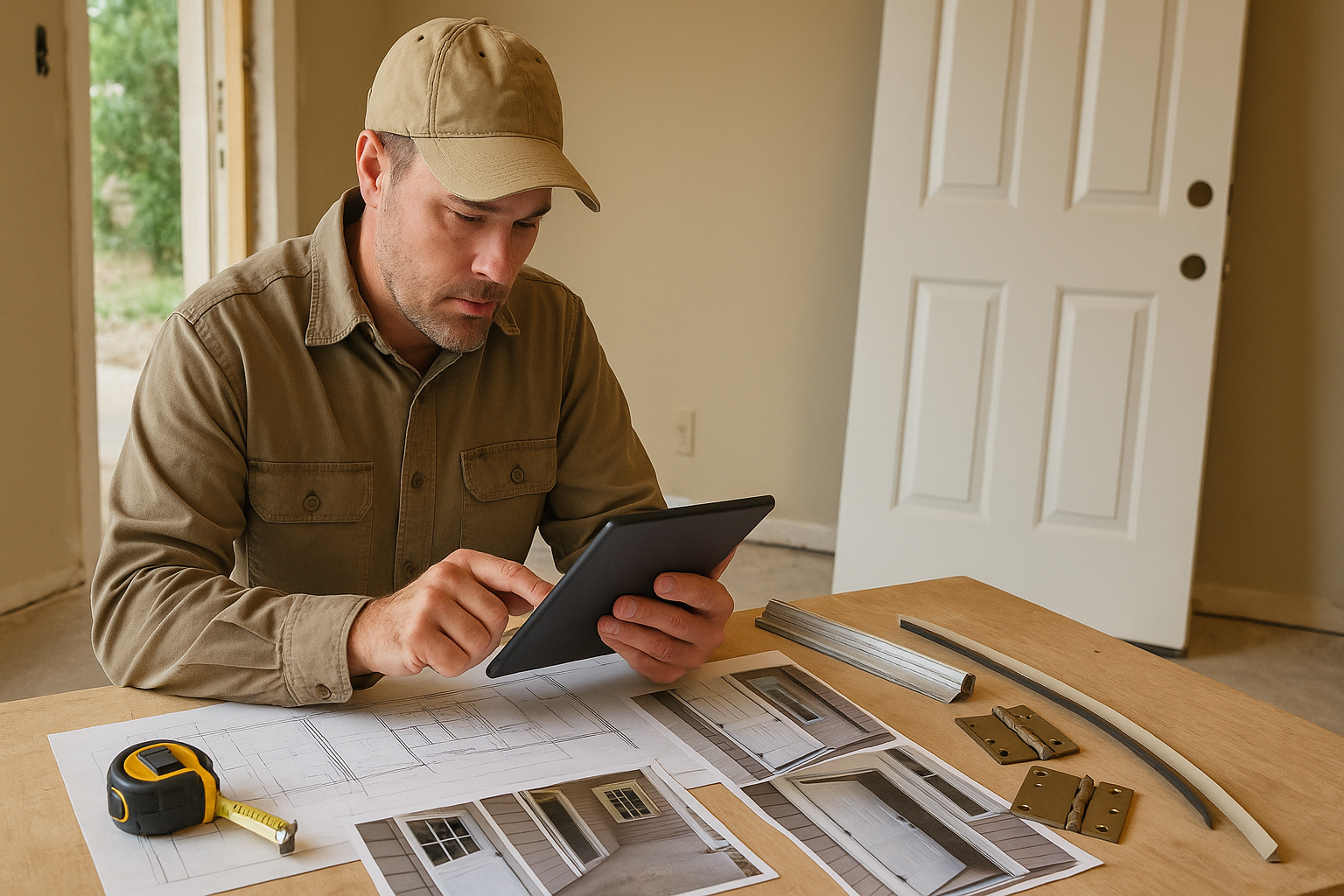
AI Estimating Software for Nebraska Contractors: Faster Bids for Omaha, Rural, and Storm Work
Nebraska contractors need estimates that account for Omaha remodels, rural travel, storm work, local permit checks, and the review step before a bid goes out.

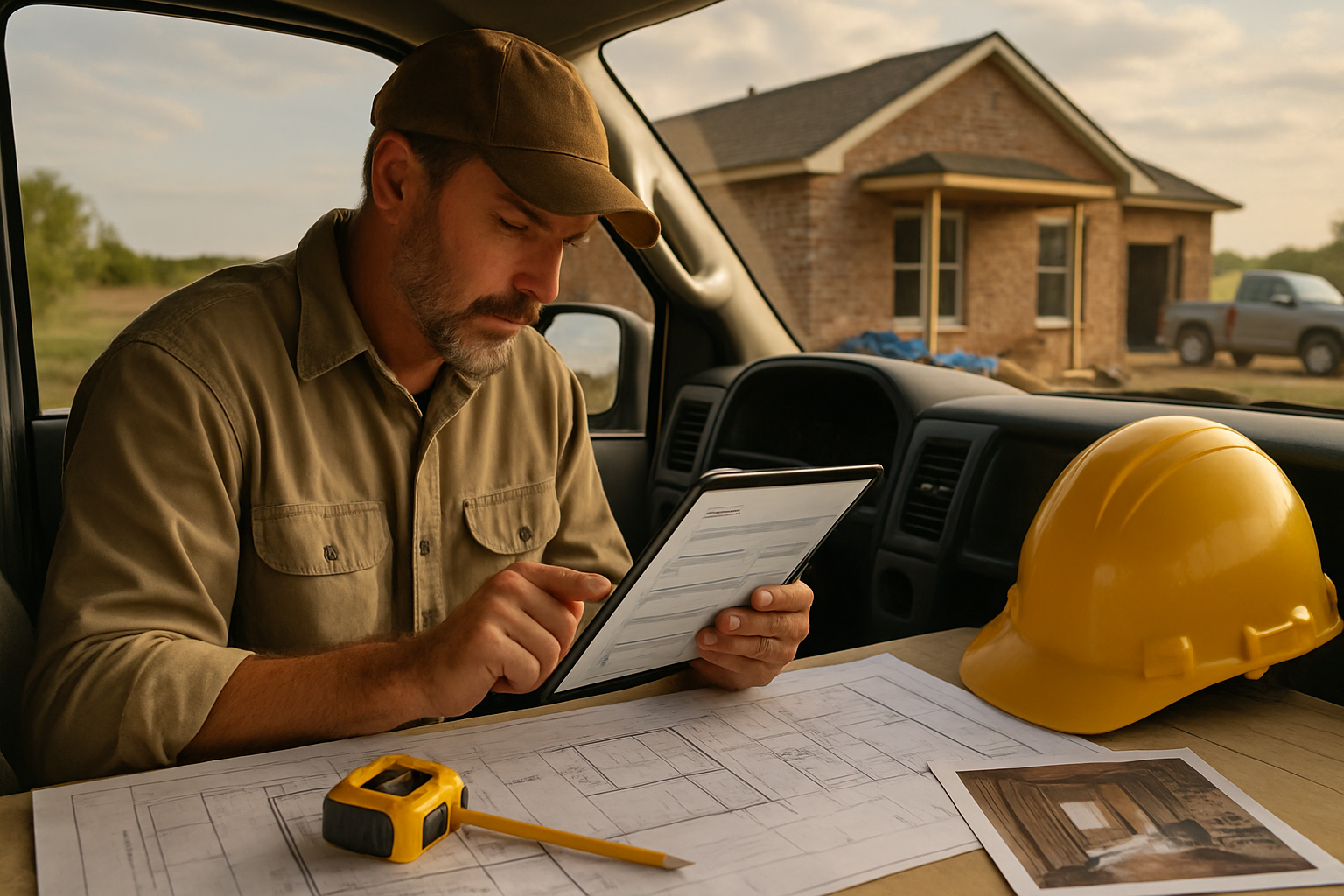
AI estimating software for Nebraska contractors should do more than spit out a quick number. It should help a contractor collect the facts from job photos, blueprints, videos, voice notes, and field notes, turn those facts into a clear scope, and keep the contractor in control before the proposal goes to the customer.
That matters in Nebraska because the same company might bid an Omaha remodel on Monday, a Lincoln tenant improvement on Wednesday, and a rural exterior repair or outbuilding job on Friday. The work changes, the travel changes, and the risk changes. The estimate has to change with it.
AI estimating software for Nebraska contractors: the practical answer
The best use of AI estimating software in Nebraska is to shorten the time between lead intake and a professional bid while making the estimate easier to review. It should help organize the job, flag missing information, draft scope language, build material and labor line items, and surface assumptions before the contractor approves the final number.
It should not replace the contractor's judgment. Nebraska contractors still need to verify measurements, local permit requirements, labor assumptions, supplier availability, weather constraints, exclusions, and markup. The point is faster estimating with a better review process, not blind automation.
Why Nebraska bids need a different workflow
Nebraska is not one estimating environment. A practical estimating workflow has to handle several job patterns.
Omaha and Lincoln remodels often carry hidden-condition risk. Older homes, basement work, trim matching, plaster or drywall repairs, finished flooring transitions, electrical updates, and tight access can all change the final scope. A fast estimate still needs room for clarifying questions and exclusions.
Rural and smaller-city work changes the cost structure. A job outside the immediate metro area may need more drive time, delivery planning, mobilization cost, equipment coordination, or a different subcontractor plan. If the estimate treats a rural job like a short in-town service call, margin can disappear before work starts.
Storm and exterior work can move fast. Roofing, siding, gutter, window, fence, concrete, and exterior repair leads often come in bunches after wind, hail, heavy rain, or freeze-thaw damage. Contractors who respond quickly still need clean documentation: photos, measurements, damage notes, scope boundaries, and customer-ready language.
Local rules still matter. Statewide contractor registration and city or county permit requirements should be checked before sending work that touches regulated scopes. Omaha, Lincoln, and other jurisdictions may handle permits, inspections, and trade rules differently. A good estimating system should leave space for those checks instead of burying them.
A faster Nebraska estimating workflow
Here is a practical workflow a Nebraska contractor can use with or without software.
1. Capture the job in one place
Start every lead with the same basic intake:
- Customer name, address, and best contact method
- City or county, because permits and travel can change the bid
- Job type: remodel, repair, service, exterior, tenant improvement, or new work
- Photos or videos of the existing condition
- Blueprints, sketches, or measurements when available
- Voice note explaining what the customer wants
- Deadline, site access notes, and decision-maker information
The goal is to stop important details from living across text messages, voicemail, email, and a notebook.
2. Separate knowns, unknowns, and assumptions
Before pricing, divide the job into three buckets:
- Knowns: dimensions, visible materials, requested finish, access, and obvious demolition
- Unknowns: hidden framing, rot, code issues, old wiring, moisture, or missing measurements
- Assumptions: work hours, disposal path, material grade, subcontractor needs, and permit responsibility
This is where AI can help organize messy input, but the contractor still decides what is true enough to price.
3. Build scope before price
Do not jump straight to a lump sum. Write the scope first. For a Nebraska basement finish, that may include framing, drywall, insulation, electrical coordination, flooring, trim, doors, disposal, and finish exclusions. For an Omaha exterior repair, it may include tear-off, substrate inspection, material match limits, weather scheduling, and cleanup.
Scope-first estimating catches missing work earlier than price-first estimating.
4. Price labor, materials, travel, and risk separately
A Nebraska bid should make room for:
- Material quantities and waste
- Labor hours by phase or line item
- Subcontractor quotes when needed
- Travel, mobilization, and delivery time
- Equipment, disposal, and cleanup
- Permit or inspection allowances when applicable
- Weather or hidden-condition exclusions
- Overhead and profit
This is especially important for contractors serving both metro and rural customers. The same material list can produce a different final price when the crew has a longer drive, fewer supplier options, or a tighter weather window.
5. Review before sending
The final review should answer five questions:
1. Is the scope clear enough for the customer to understand?
2. Are exclusions written plainly?
3. Are labor and markup intentional, not guessed?
4. Are Nebraska-specific site, permit, travel, or weather issues covered?
5. Is the proposal professional enough to send today?
If the answer is yes, send the bid while the job is still warm.
Three Nebraska examples where AI-assisted estimating helps
Omaha remodel: A contractor walks a kitchen and basement update, records a voice note, takes photos of existing cabinets and flooring, and uploads a sketch. AI can help convert the notes into a draft scope, flag missing dimensions, and organize line items for review.
Lincoln light commercial repair: A small GC receives photos, a short video, and a plan sheet for a tenant improvement. AI can help summarize the work by phase, separate landlord and tenant responsibilities, and create a cleaner bid packet.
Rural exterior job: A crew gets storm-repair photos from a customer outside the metro. AI can help organize damage notes, material assumptions, access notes, travel considerations, and follow-up questions before anyone spends half a day driving to confirm basics.
Common estimating mistakes to avoid
- Using the same bid structure for every Nebraska job. Metro remodels, rural repairs, and exterior storm work need different assumptions.
- Skipping travel and mobilization. Drive time, delivery distance, and supplier availability can change job profitability.
- Leaving exclusions vague. If hidden rot, old wiring, structural issues, permit fees, or material matching are not included, say so clearly.
- Letting AI choose the final number. AI can organize the estimate, but the contractor must review scope, labor, markup, and risk.
- Waiting too long to follow up. A clean estimate sent quickly can still go cold if nobody follows up with the customer.
How Estimado AI helps
Estimado AI is being built as AI estimating software for contractors who want faster, cleaner bids without handing control to a black box. Contractors can bring project inputs like blueprints, job photos, videos, and voice notes into an estimating workflow that helps draft scope, organize materials and labor, and prepare a professional estimate for review.
The contractor stays in the loop. Estimado is meant to act like a junior estimator at the contractor's right hand: fast at organizing the work, useful at surfacing what needs review, but not the person who approves and sends the final bid.
For Nebraska contractors, that review step is the difference between a quick quote and a reliable proposal. You still decide how to handle Omaha permit checks, Lincoln inspection questions, rural travel, storm-season scheduling, labor rates, overhead, and markup.
Next step
If your Nebraska contracting company wants cleaner bids without adding office overhead, join the Estimado AI waitlist and get access updates as the platform opens.
FAQ
Is AI estimating software useful for Nebraska contractors outside Omaha and Lincoln?
Yes. It can help rural and smaller-city contractors organize photos, plans, notes, travel assumptions, and follow-up questions, but the contractor should still adjust the estimate for location, access, suppliers, and mobilization.
Can AI estimate from photos and videos?
AI can help interpret photos and videos and turn them into a draft scope or questions list. Contractors should still verify measurements, materials, hidden conditions, and anything that cannot be confirmed visually.
Should Nebraska contractors use AI for permit decisions?
AI can remind a contractor to check permits and inspections, but local requirements should be verified with the proper city, county, or state resource before the bid is finalized.
What should a contractor review before sending an AI-assisted estimate?
Review the scope, quantities, labor assumptions, exclusions, permit responsibility, travel or mobilization costs, schedule, overhead, profit, and final customer-facing wording.