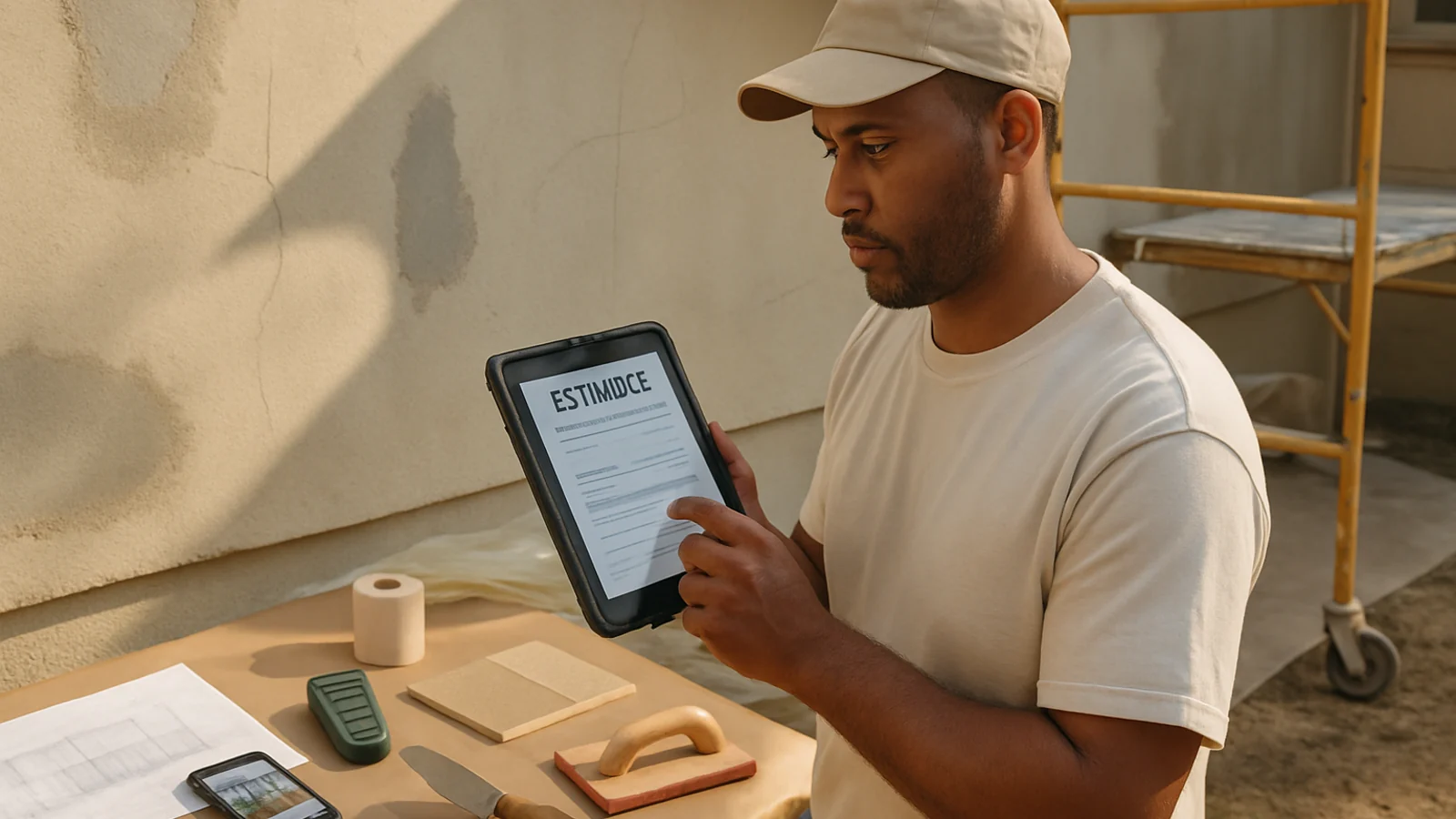
AI Estimating Software for Montana Contractors: Faster Bids for Billings and Statewide Jobs
Montana contractors can use AI estimating software to organize job photos, blueprints, videos, and voice notes into clearer bids for Billings remodels, rural work, winter conditions, and statewide travel.

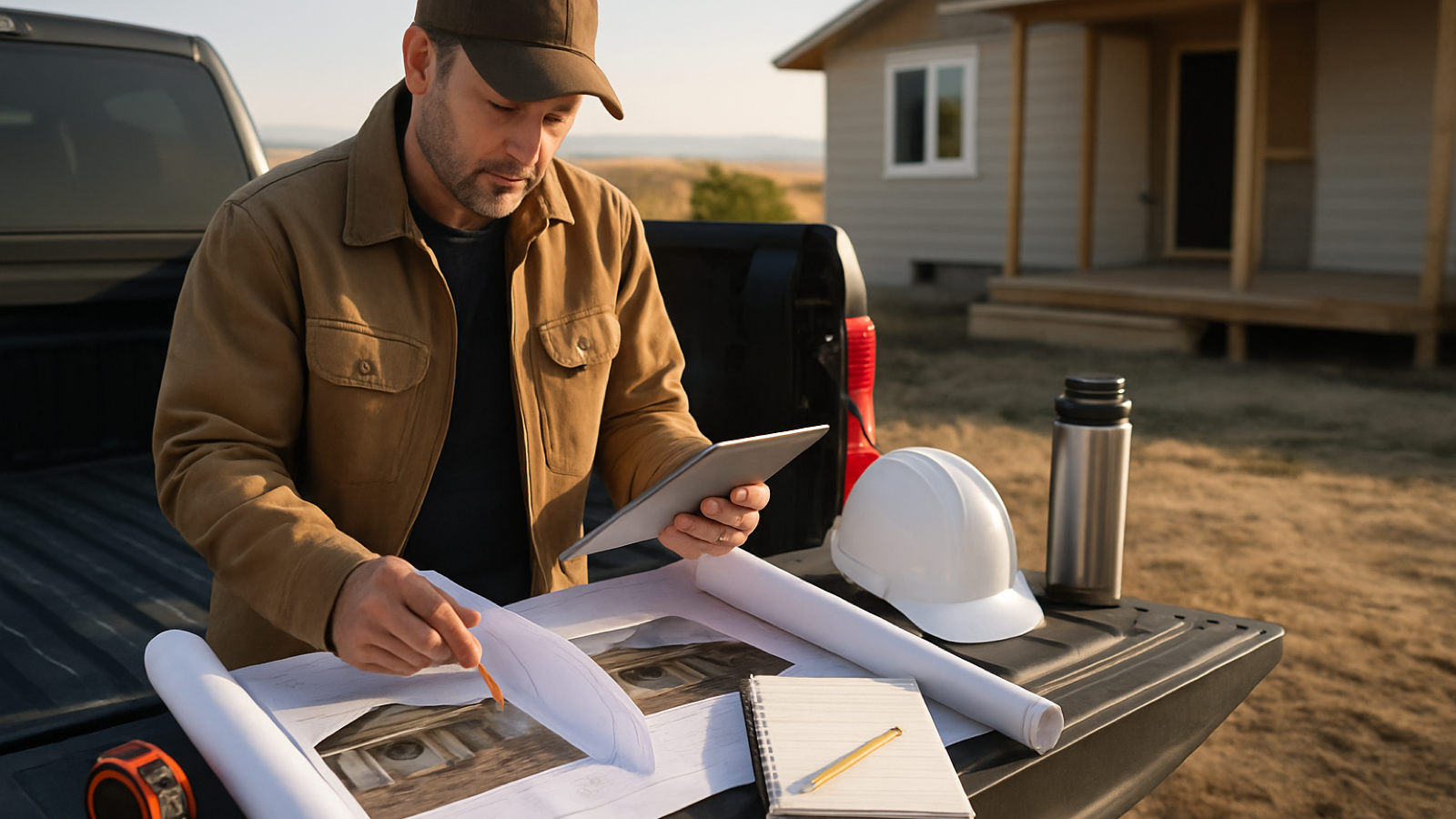
AI estimating software for Montana contractors is most useful when it turns scattered job information into a clean estimate draft: photos from the walk-through, blueprint sheets, short videos, customer texts, voice notes, measurements, exclusions, and open questions. A Billings remodel, a Bozeman addition, a Missoula tenant improvement, and a rural ranch repair may all need different assumptions for travel, weather, access, material delivery, and permitting.
This guide is for Montana general contractors, remodelers, and trade contractors who already know how to build. The point is not to teach your trade. The point is to tighten the estimating workflow so you can respond faster, look more professional, and avoid sending a bid that skips the jobsite details that matter in Montana.
The direct answer: what should AI estimating software for Montana contractors do?
The best AI estimating software for Montana contractors should help collect the facts of the job, organize them into a reviewable estimate, and flag what still needs contractor judgment. It should not guess hidden conditions, invent measurements, or send a bid without your approval.
For Montana contractors, that means the estimate needs more than a quantity and a unit price. It should separate the known scope from assumptions about drive time, winter access, snow or wind exposure, rural delivery, utility coordination, owner-supplied materials, and local permit requirements. AI should work like a junior estimator at your right hand: it drafts the structure, highlights gaps, and leaves the final number to the contractor.
Why Montana estimates need state-specific context
Montana is a wide-state estimating environment. A contractor based in Billings may look at jobs across the metro, then get pulled toward Red Lodge, Laurel, Lockwood, or farther rural areas where drive time, staging, fuel, and supply runs become real cost drivers. In western Montana, work around Bozeman, Missoula, Kalispell, or mountain communities can involve different access, weather windows, and customer expectations.
Winter and shoulder-season weather can change the estimate even when the scope is simple. Exterior work may need temporary protection, different sequencing, heated storage, delayed painting or coating windows, snow removal assumptions, or extra mobilization. Freeze-thaw cycles can matter for concrete, masonry, drainage, exterior repairs, and site work. Wind exposure can affect roofing, siding, windows, doors, dust control, and material handling.
Rural jobs also need a different intake checklist. Is there space for a dumpster or material drop? Can a delivery truck reach the site? Are there unpaved roads, steep drives, gates, livestock, septic fields, wells, or long utility runs? Is the owner supplying finish materials from a distant vendor? A generic estimate template may miss those details. A good AI-assisted workflow should make those questions visible before the bid goes out.
Permits and code questions still belong with the contractor and the authority having jurisdiction. The software can help build a checklist for structural work, MEP changes, excavation, decks, additions, egress, insulation, energy requirements, snow-load assumptions, and local inspections. The contractor still verifies the requirement before sending a firm proposal.
A practical Montana estimating workflow from lead to bid
Use this workflow whether the lead starts from a phone call, job photos, blueprints, a video walk-through, or a voice memo from the truck.
1. Build the job packet before pricing
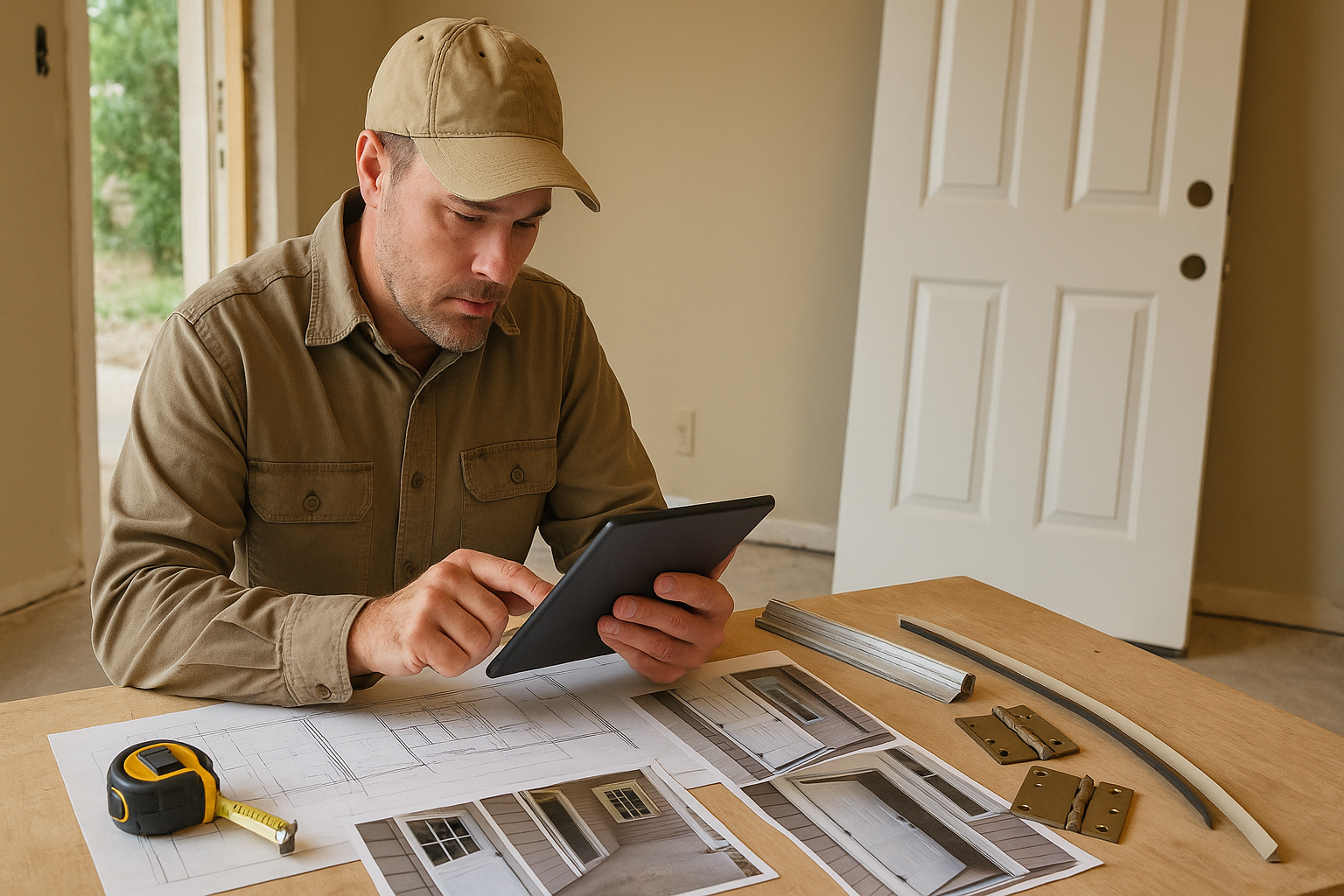
Do not start with a number. Start with a packet. Capture the customer request, address or jurisdiction, photos, videos, plan sheets, measurements, deadline, access notes, material preferences, travel distance, and whether the job is occupied, rural, exterior, commercial, or weather-sensitive.
For a Billings kitchen remodel, the packet may include photos of the existing cabinets, a voice note about moving a wall, measurements from the site visit, and notes about protecting finished floors. For a rural shop repair, it may include driveway access photos, a video of the damaged area, utility notes, and a delivery question. AI can help turn those inputs into one organized scope draft.
2. Tag the Montana conditions that affect production
Before quantities, tag the conditions that change labor or schedule: winter access, snow removal, wind exposure, muddy roads, rural delivery, limited staging, wildfire smoke timing, high-elevation work, long drive time, occupied-space protection, or subcontractor availability. These tags help keep the estimate from looking like a city-only template.
3. Separate scope, quantities, labor, and risk
A professional estimate should make it easy to see what is included. Break the draft into scope of work, material list, labor line items, equipment, disposal, permits or allowance notes, exclusions, and open questions. Keep allowances visible. If photos cannot prove a hidden condition, write that down instead of pretending the answer is known.
4. Review permit and utility assumptions
Use AI to create a review checklist, not to make legal decisions. Does the job involve structural changes, MEP work, excavation, exterior envelope work, decks, additions, commercial occupancy, or changes that need inspection? Which city, county, or state office is involved? Are utility locates needed before digging? Confirm those items through the correct Montana and local resources before the proposal becomes a firm commitment.
5. Package the bid so the customer understands the work
A good Montana proposal should explain the scope, what the price is based on, what is excluded, what assumptions were made, and what decisions are needed before scheduling. If weather, access, travel, or owner-selected materials could change the cost, say that clearly. The goal is not a longer estimate. The goal is a clearer one.
Common mistakes Montana contractors can avoid
The biggest mistake is using AI like a magic price button. If software gives you a number without showing assumptions, quantities, missing measurements, or risk notes, it can make a risky estimate look polished.
Other common mistakes include ignoring travel time on rural jobs, pricing exterior work without weather windows, treating Billings access the same as a remote mountain property, forgetting utility locate coordination before excavation, hiding allowances instead of explaining them, and failing to separate owner-selected finishes from contractor-supplied materials.
Another mistake is sending the same bid structure for every Montana region. A Billings remodel, Bozeman addition, Missoula tenant improvement, Kalispell exterior repair, and rural county project need different notes. The estimate should prove that you understood the job, not just the square footage.
How Estimado AI helps
Estimado AI is built for contractors who want a faster estimate workflow while keeping the contractor in control. The goal is to turn photos, blueprints, videos, voice notes, and customer messages into a structured estimate draft with scope, materials, labor sections, assumptions, exclusions, and questions for review.
That matters in Montana because the hard part is often organizing messy information before the bid goes out. Estimado can help draft the job packet, call out missing measurements, and make the review process cleaner. You still review the work, adjust pricing, confirm local requirements, and approve before anything goes to the customer.
Next step
If your Montana company wants a faster way to turn messy lead intake into professional estimates while you still control the final number, join the Estimado AI waitlist. Estimado is designed to act like a junior estimator at your right hand, not a replacement for contractor judgment.
FAQ
Is AI estimating software accurate enough for Montana contractors?
AI can speed up the first draft, but the contractor still needs to verify measurements, site conditions, local requirements, labor, markup, and final pricing. It should support your estimating judgment, not replace it.
Can AI estimate from photos, videos, blueprints, and voice notes?
Yes. AI can help summarize visible conditions, organize customer requests, read plan information, draft scope sections, and flag missing measurements. It should also say when something cannot be confirmed from the media alone.
What Montana jobs benefit most from AI-assisted estimating?
Remodels, additions, exterior repairs, shops, service work, tenant improvements, site work, and plan-based projects can all benefit when the software turns scattered inputs into a clearer bid draft for contractor review.
Do Montana contractors still need to check permits, codes, and utility locates?
Yes. Requirements depend on the scope and jurisdiction. Contractors should confirm permits, inspections, code assumptions, licensing, and utility locate requirements through the correct Montana and local resources before relying on those assumptions in a bid.