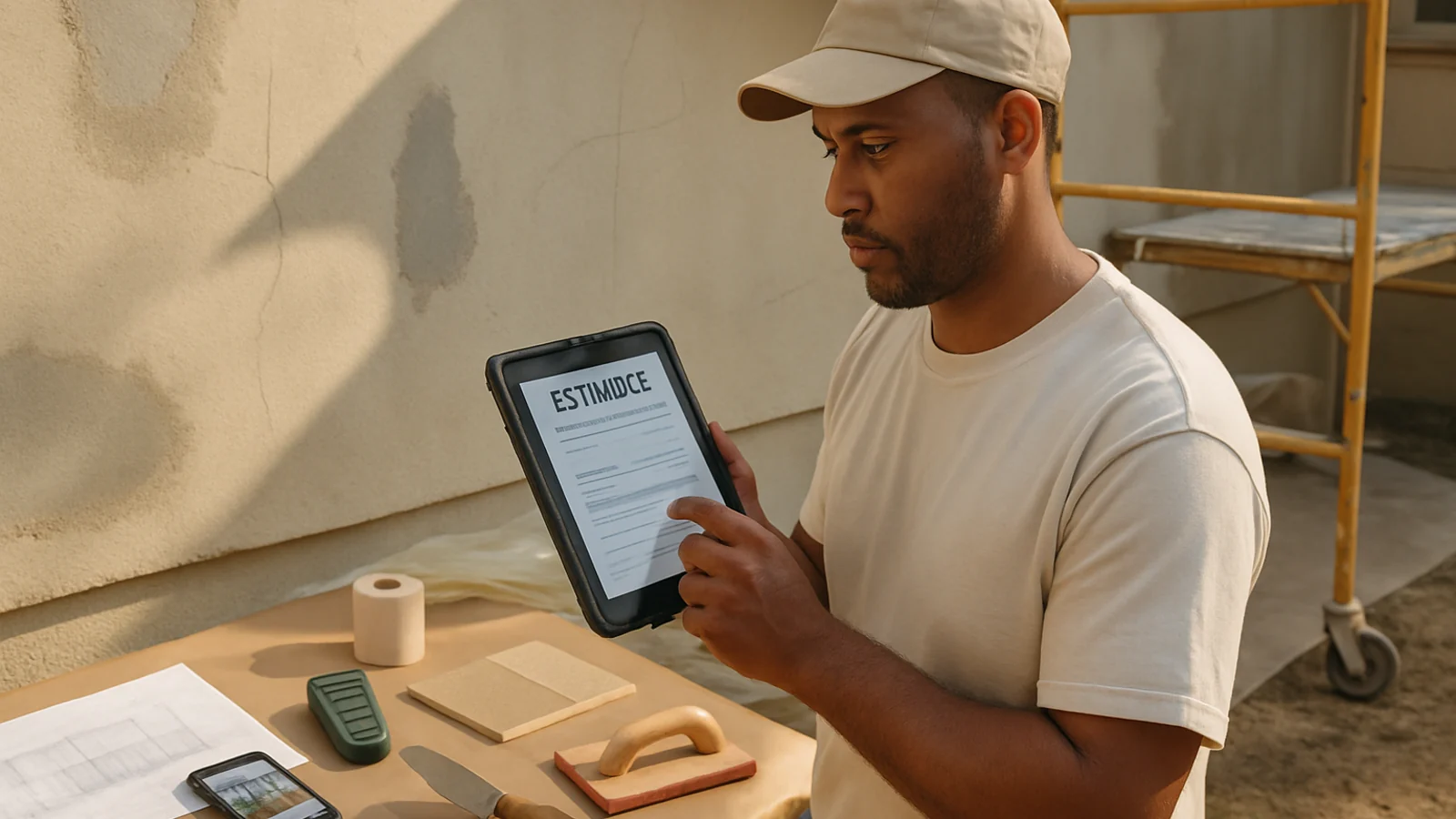
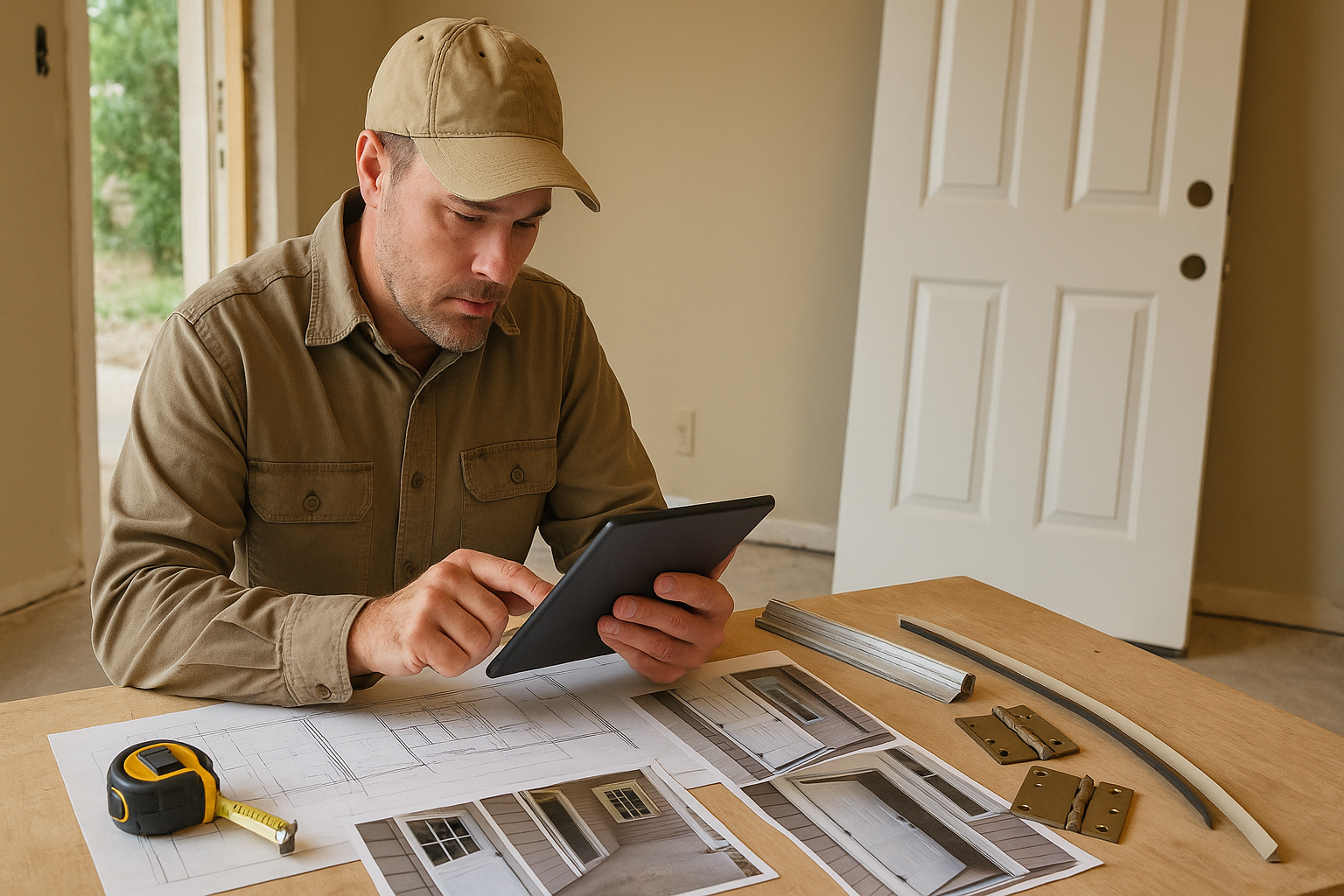
AI Estimating Software for Iowa Contractors: Faster Bids for Des Moines, Rural Remodels, and Storm Work
Iowa contractors need estimating workflows that can handle Des Moines remodels, rural travel, storm repairs, cold-weather sequencing, and clean customer follow-up.

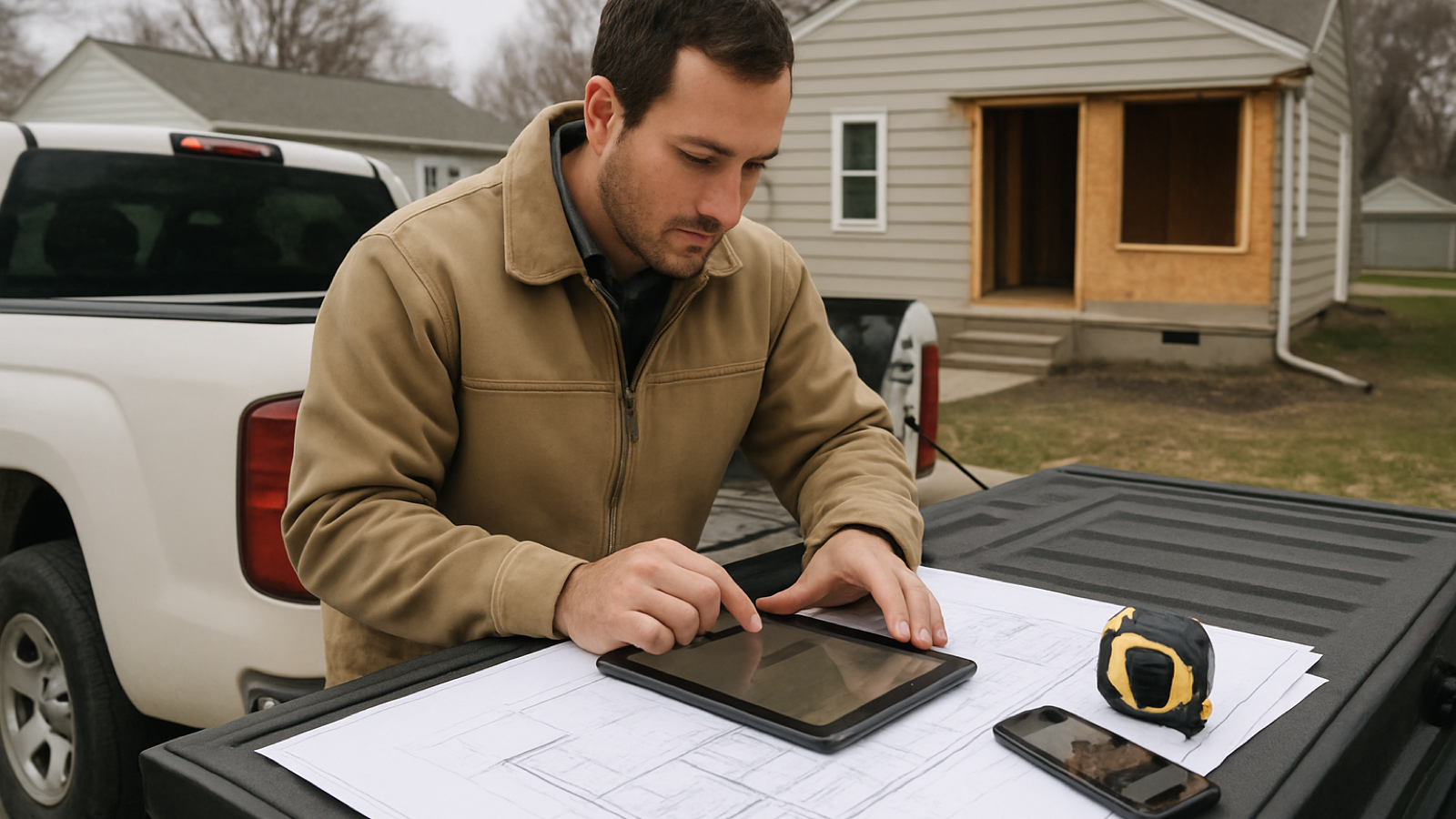
AI estimating software for Iowa contractors should do more than make a quote look pretty. It should help a busy contractor turn job photos, blueprints, videos, and voice notes into a clear scope, material list, labor review, and professional proposal faster—without removing the contractor from the decision.
For Iowa work, speed matters because jobs are often spread across different markets: Des Moines remodels, Cedar Rapids insurance repairs, Ames rentals, Iowa City renovations, and rural projects where one missed site detail can mean another long drive. The right workflow helps you respond while the job is still fresh, catch scope gaps before they become change orders, and follow up with a bid that looks organized.
AI estimating software for Iowa contractors: the short answer
AI estimating software for Iowa contractors helps organize field information into a usable estimate. A contractor can bring in job photos, plan sheets, short videos, or a voice note from the walkthrough. The software should identify the work area, separate known facts from assumptions, draft the scope, build quantities where possible, and leave the contractor in control of pricing, labor, exclusions, and final approval.
That last part matters. A good Iowa estimator does not blindly trust a tool. The contractor still checks measurements, adjusts labor for crew capacity, adds risk where needed, and decides what gets sent to the customer. AI is useful when it acts like a junior estimator at your right hand—not when it pretends to replace trade judgment.
Why Iowa estimating has its own jobsite realities
Iowa is not one uniform construction market. A general contractor bidding a kitchen remodel in Des Moines may be dealing with tighter scheduling, customer comparison shopping, and faster proposal expectations. A contractor working outside Marshalltown, Pella, Boone, or Decorah may need to account for supplier runs, travel time, limited subcontractor availability, and weather windows.
Cold winters and freeze-thaw cycles also affect how contractors scope exterior work. Concrete, siding, roofing, drainage, exterior doors, and foundation-related repairs often need notes about substrate conditions, moisture, timing, and what cannot be confirmed until demolition or tear-out. Spring and summer storm work can bring another estimating problem: customers want fast answers, but hail, wind, water entry, and hidden damage need careful documentation.
Permitting and code review are also local. Iowa contractors should check the authority having jurisdiction for the city or county where the work is located, plus state-level registration or licensing requirements that apply to their trade. Your estimate should make it clear who is responsible for permits, inspections, utility coordination, and any allowances tied to unknown conditions.
A practical AI-assisted estimate workflow for Iowa jobs
Use AI to speed up the office work, but keep a contractor-grade review process around it. A strong workflow looks like this:
1. Capture the job while you are still there. Take wide photos, detail photos, a quick video walkthrough, and a voice note with the customer’s goal. Say the city, project type, surface conditions, known measurements, and any access issues out loud.
2. Separate confirmed facts from assumptions. Confirmed facts might include room count, visible material, dimensions you measured, and photos of existing conditions. Assumptions might include hidden framing, substrate condition, electrical capacity, or whether water damage continues behind a wall.
3. Build the scope before pricing. List demolition, prep, installation, patching, disposal, protection, cleanup, and warranty or exclusion language. Iowa storm and winter-related work often needs clearer notes around hidden damage and weather-dependent scheduling.
4. Review material quantities and waste. Do not let any tool guess expensive quantities without review. Check square footage, linear footage, sheet counts, bags, bundles, fasteners, trim, underlayment, and delivery needs.
5. Add labor based on your crew, not a generic number. Your labor depends on who is available, drive time, season, access, equipment, and whether the job is in town or rural.
6. Send a clean proposal and follow up. A fast estimate is only useful if the customer understands it. Include scope, exclusions, allowances, payment terms, schedule assumptions, and the next step.
This workflow is especially useful for small and mid-sized Iowa contractors who do not have a full-time office estimator. The owner can still walk jobs, sell work, and review the final number, while the estimating system handles more of the repetitive organization.
Common mistakes that slow Iowa contractors down
The biggest mistake is waiting until the end of the day to rebuild the whole job from memory. By then, the customer’s exact wording, the photo context, and the small risk items are easier to miss. A two-minute voice note from the driveway can save a lot of confusion later.
Another mistake is sending a one-line price for work that has too many unknowns. For example, storm-related siding repair, bath remodels in older homes, basement moisture repairs, and exterior door replacements often need exclusions or allowances. A proposal that says what is included—and what is not included—protects both the contractor and the customer.
Contractors also lose time when every estimate starts from scratch. Even if each Iowa job is different, your process should be repeatable: intake, scope, quantities, labor review, exclusions, proposal, follow-up. The job changes. The estimating discipline should not.
How Estimado AI helps
Estimado AI is built for contractors who want faster estimating without handing control to software. The goal is to turn blueprints, job photos, videos, and voice notes into a structured estimate that includes scope, materials, labor review points, and a customer-ready proposal.
For an Iowa contractor, that could mean using photos from a Des Moines basement remodel, a short video from a Cedar Rapids storm repair, or a voice note from a rural exterior job to draft the first version of the estimate. The contractor still reviews every line, adjusts labor, confirms assumptions, and approves before anything is sent.
If you want a faster way to move from field notes to professional bids, you can join the Estimado AI waitlist and follow along as the contractor estimating workflow opens up.
Next step
If your Iowa estimating process still depends on scattered photos, handwritten notes, and late-night spreadsheet work, start by tightening the workflow: capture better job inputs, define the scope before pricing, document assumptions, and follow up with a professional proposal. AI can make that process faster, but the contractor’s review is what keeps the bid accurate and profitable.
FAQ
What should Iowa contractors look for in AI estimating software?
Look for software that accepts real job inputs like photos, plans, videos, voice notes, and written notes, then produces a clear scope, material list, and proposal draft while keeping the contractor in control of review and approval.
Can AI estimating software handle rural Iowa jobs?
It can help organize the estimate, but the contractor still needs to account for drive time, supplier distance, crew availability, equipment access, and local permit requirements.
Should Iowa contractors use AI for storm repair estimates?
AI can help document photos, organize damage notes, and create a cleaner starting scope. The contractor still needs to verify hidden damage, insurance-related requirements, code issues, and work that cannot be confirmed until tear-out.
Does AI replace the contractor’s judgment?
No. Estimating software should support the contractor, not replace them. The contractor should review quantities, labor, exclusions, risk, and final pricing before sending the proposal.