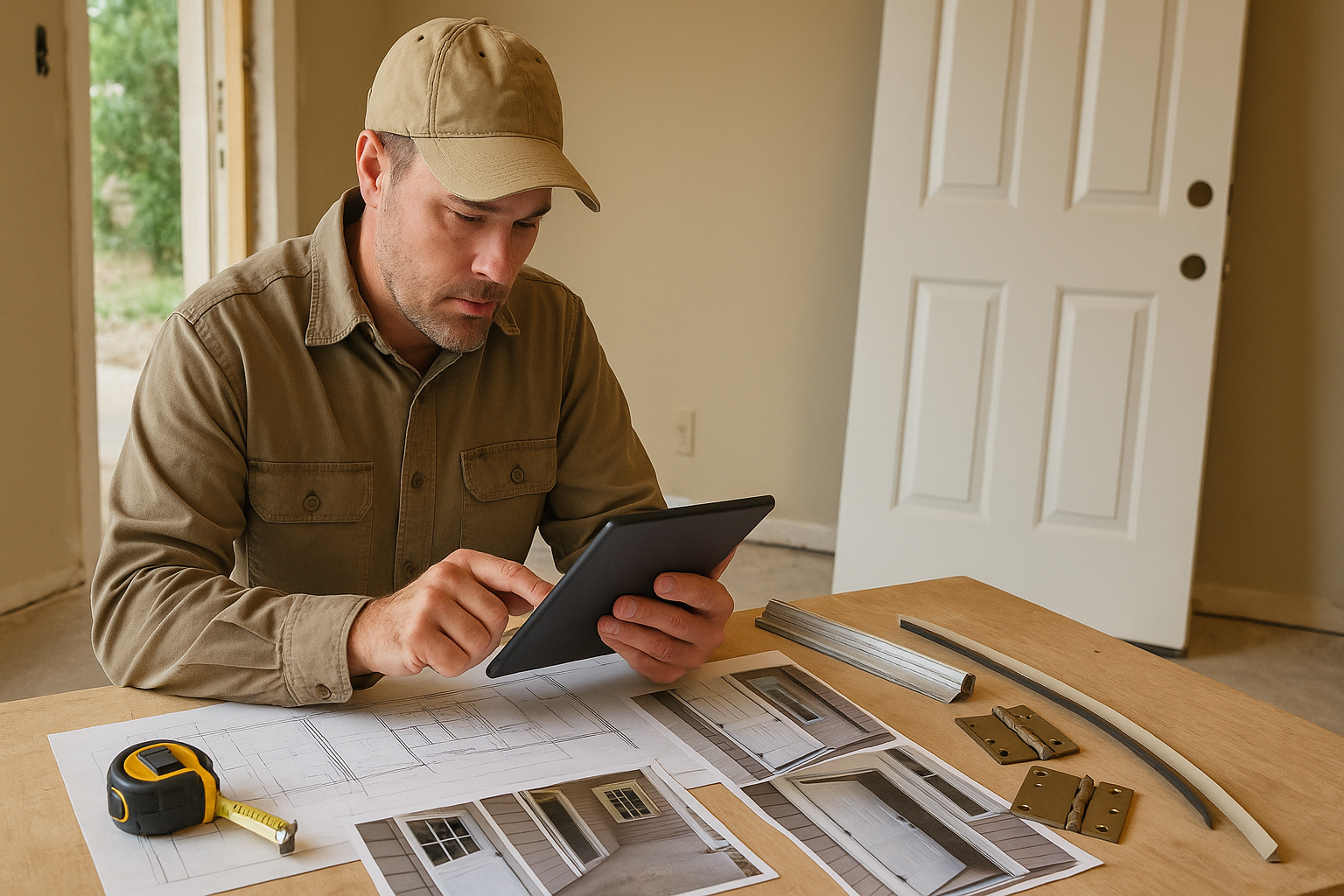
AI Estimating Software for Illinois Contractors: Faster Bids for Chicago, Suburbs, and Seasonal Work
Illinois contractors can use AI estimating software to organize photos, blueprints, videos, and voice notes into cleaner estimates for Chicago, suburban, and downstate jobs.

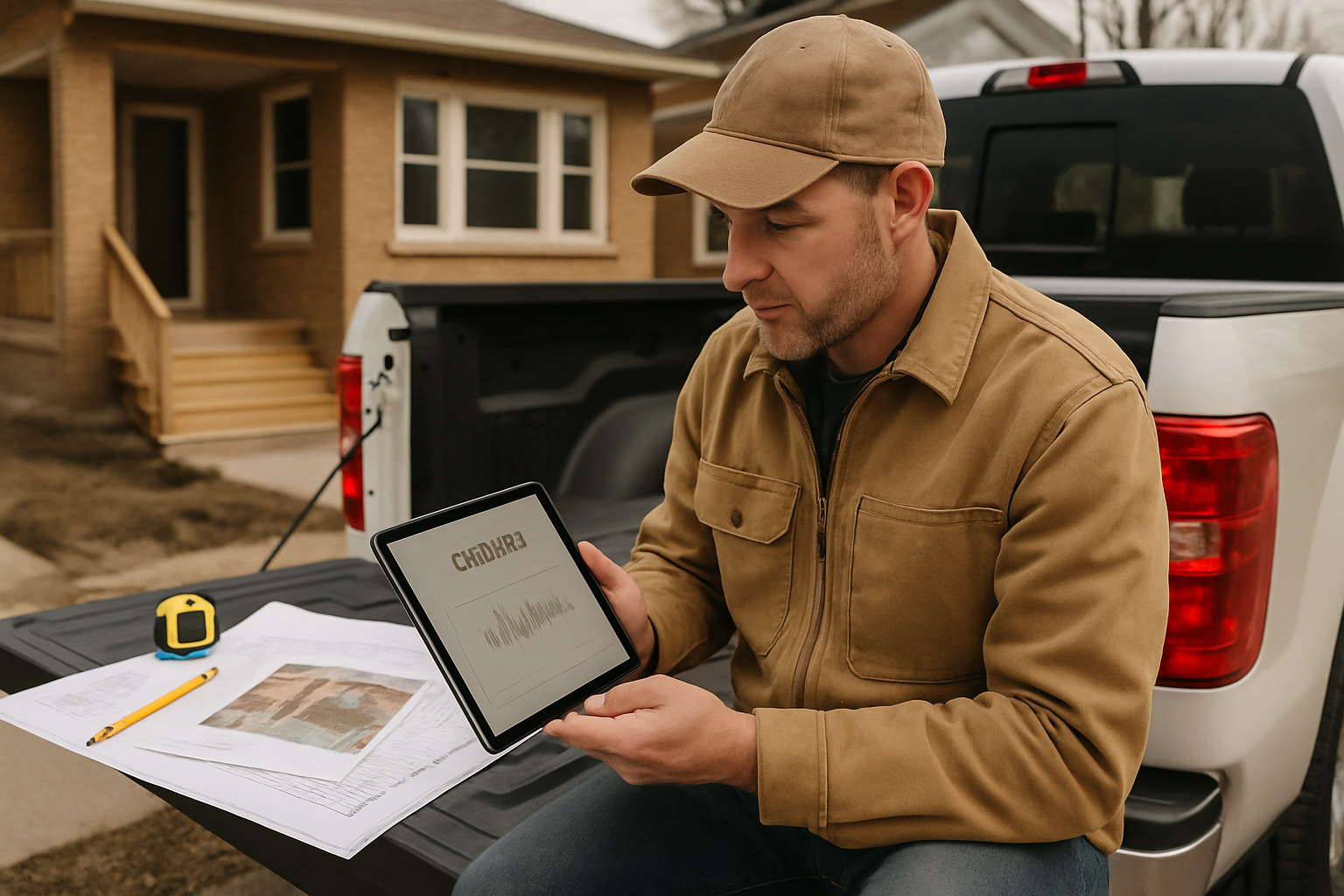
Illinois contractors deal with a wide mix of work: Chicago remodels, suburban additions, downstate repairs, multifamily turnovers, light commercial refreshes, and seasonal exterior jobs squeezed between weather windows. AI estimating software for Illinois contractors can help turn job photos, blueprints, videos, and voice notes into a cleaner estimate package so the contractor can review the scope and respond faster.
The point is not to let software decide the final number. The useful version of AI estimating keeps the contractor in control. It organizes scattered job information, drafts scope, separates assumptions from known work, and helps prepare a professional estimate that the owner or estimator still checks before it goes to the customer.
AI estimating software for Illinois contractors: the practical takeaway
The biggest value for Illinois contractors is reducing the delay between the walkthrough and the finished bid. If a Chicago contractor walks a kitchen remodel in the morning, checks a suburban basement repair after lunch, and looks at a storefront patch job before heading home, the details can blur fast.
A practical AI estimating workflow should help you:
- collect photos, plan sheets, short videos, and voice notes in one job file;
- turn field information into a structured scope before pricing;
- flag missing measurements, permit assumptions, and hidden-condition risks;
- build line items that match the way the job will actually be performed;
- produce a customer-ready estimate without hiring another office person.
That speed matters, but clarity matters more. A fast estimate that misses parking, protection, disposal, access, or permit assumptions can cost more than a slower estimate.
Why Illinois estimating needs local judgment
Illinois is not one estimating market. A job in Chicago can bring tight site access, alley deliveries, condo or multifamily coordination, older building conditions, lead-paint awareness on pre-1978 housing, and city permit requirements. A suburban project may involve homeowner association rules, village inspections, driveway staging, and different material pickup routes. Downstate work can add longer travel, fewer nearby suppliers, agricultural or rural property access, and weather delays that change crew planning.
Seasonality also affects the estimate. Freeze-thaw cycles, spring rain, wind, lake-effect weather near northeastern Illinois, and short exterior-work windows can affect roofing tie-ins, siding repairs, concrete patches, painting, drainage, and exterior carpentry. Those conditions should not become vague padding. They should become clear assumptions, exclusions, allowances, and schedule notes.
Permits and licensing also need local verification. Illinois contractors should avoid promising that every job follows the same path. Municipal rules can vary, and trade-specific licenses or registrations may apply depending on the work. A good estimate should state what is included, what is excluded, and what must be confirmed with the local authority before work starts.
A practical Illinois contractor estimating workflow
Use this workflow when a lead comes in from Chicago, Aurora, Naperville, Rockford, Joliet, Springfield, Peoria, or a smaller Illinois community where the customer expects a clear number.
1. Capture the job while the details are fresh
Before leaving the site, gather enough information to rebuild the job later:
- wide photos of each work area;
- close-ups of transitions, damage, trim, fixtures, utilities, and access limits;
- a short video walkthrough for multi-room remodels or exterior repairs;
- a voice note explaining what the customer asked for and what you warned them about;
- trusted measurements, plus measurements that need confirmation;
- photos of blueprints, sketches, material selections, or building rules if available.
For a Chicago bungalow remodel, that may include basement access, stair width, utility locations, floor transitions, wall conditions, parking, and protection routes through the home. For a suburban exterior job, it may include siding condition, flashing details, grade, drainage, and material matching.
2. Define scope before assigning dollars
Do not jump straight from photos to a price. Break the work into real steps. A bathroom remodel may need protection, demolition, plumbing coordination, electrical changes, substrate repair, waterproofing, tile, drywall, paint, cleanup, and final punch. A light commercial patch job may need after-hours access, protection of occupied spaces, permit notes, disposal, and coordination with the tenant.
AI can help by turning messy inputs into a first scope draft. The contractor still has to review it, remove anything that does not apply, add trade judgment, and decide whether a second look or clarification is needed.
3. Build line items around sequence and responsibility
A strong estimate is useful to the customer and the crew. Instead of one vague line like “remodel kitchen,” use sections such as:
- site protection, access, and staging;
- demolition and disposal;
- framing, substrate, or repair work;
- MEP coordination when plumbing, HVAC, or electrical are affected;
- finishes such as drywall, paint, tile, flooring, trim, or cabinets;
- permit allowances, inspection notes, and customer responsibilities;
- cleanup, haul-off, and final walkthrough.
That structure helps prevent scope gaps. It also makes follow-up easier because you can explain exactly what the customer is approving.
4. Call out Illinois-specific assumptions
Illinois contractors can lose margin when local conditions stay hidden in the fine print. Common examples include city parking and loading limits, elevator or condo rules, protected work paths, lead-safe practices, winter access, material lead times, matching older finishes, permit fees, inspection delays, utility shutoffs, and hidden framing or moisture damage.
Good estimating software should not bury those unknowns. It should surface them so the contractor can choose whether to add an allowance, exclude the item, request another photo, or clarify the scope before sending the price.
5. Send the estimate and follow up while the job is warm
Once reviewed, send a clean estimate with a scope summary, line items, schedule notes, exclusions, assumptions, and next step. Then follow up with the same clarity: “I sent the estimate for the basement repair. It includes demo, damaged drywall removal, disposal, patching, paint, and cleanup. It excludes hidden foundation or plumbing repairs until we open the wall.”
That type of follow-up does more than remind the customer. It shows that the bid was built from a real scope, not a rushed guess.
Common estimating mistakes Illinois contractors should avoid
Bidding from memory. Dense routes and multiple walkthroughs make it easy to forget a transition, access rule, or customer request. Photos, videos, and voice notes give you a second look.
Using one generic template statewide. A Chicago multifamily repair, a Naperville remodel, a Rockford rental turnover, and a rural outbuilding job should not carry the same assumptions.
Ignoring access and protection. Parking, elevators, stairs, alleys, occupied spaces, dust control, floor protection, and material staging can change labor hours.
Leaving permit responsibility vague. Local permit and inspection requirements should be verified and clearly assigned before the customer signs.
Letting software replace judgment. AI can draft, organize, and check. The contractor still owns the final scope, price, and customer promise.
How Estimado AI helps
Estimado AI is being built as AI estimating software for contractors who want faster bids without giving up control. A contractor can bring in blueprints, job photos, videos, and voice notes. Estimado helps reason through the project, organize scope, build a material and labor structure, and prepare a professional estimate for contractor review.
That review step matters. Estimado is not a fully autonomous estimator and it does not send estimates without approval. Think of it as a junior estimator at your right hand: useful for turning messy job information into a structured draft, but still checked by the person who knows the work.
For Illinois contractors who want to respond faster without adding another office role, join the Estimado AI waitlist and get updates as access opens.
Next step
If your Illinois estimating process still depends on scattered photos, handwritten notes, and late-night spreadsheet work, start by tightening the workflow: capture better job information, define scope before pricing, call out assumptions, and send a clean estimate quickly. AI estimating software can support that process, but contractor judgment is still what protects the job.
For more practical estimating workflows, visit the Estimado AI blog.
FAQ
Is AI estimating software useful for experienced Illinois contractors?
Yes, if it saves office time without pretending to replace the contractor. Experienced contractors usually need help organizing inputs, building consistent scope, flagging missing details, and producing a cleaner bid package faster.
Can AI estimate from photos, videos, and voice notes?
AI can help interpret visible conditions, organize walkthrough notes, draft scope, and identify missing information. It should ask for clarification when dimensions or conditions are unclear instead of guessing quantities.
Should Illinois contractors use the same estimate template for every city?
No. A reusable structure is helpful, but the assumptions should change by job. Chicago, the suburbs, and downstate Illinois can have different access, permit, staging, supplier, travel, and seasonal considerations.
Does Estimado AI send estimates automatically?
No. The contractor stays in the loop, reviews the estimate, makes edits where needed, and approves before anything goes to the customer.
What should an Illinois contractor include in a remodel estimate?
A remodel estimate should include scope, line items, materials, labor assumptions, protection, disposal, exclusions, permit notes, schedule assumptions, unknowns, and customer responsibilities.