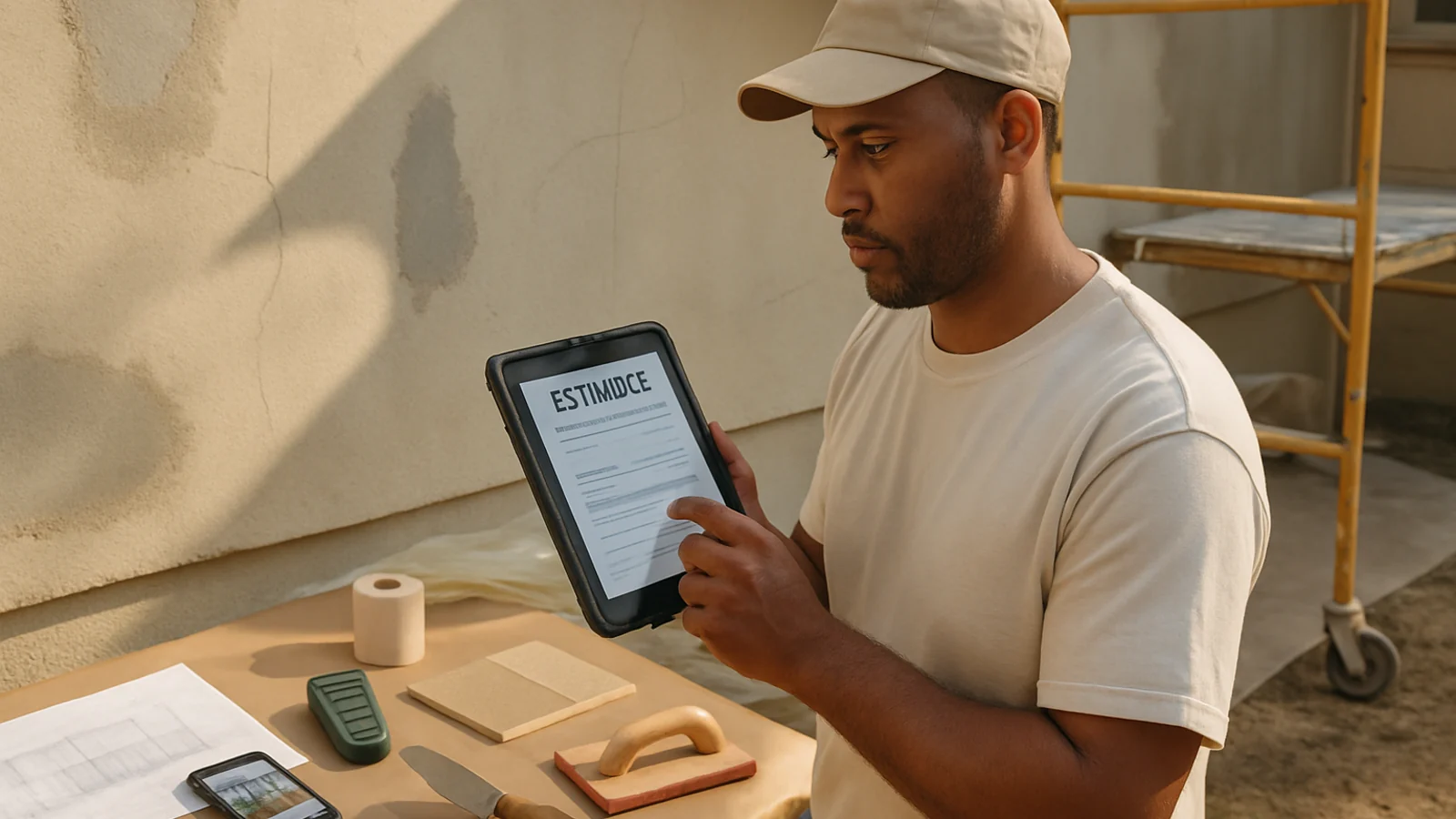
AI Estimating Software for Connecticut Contractors: Faster Bids for Bridgeport and Statewide Jobs
Connecticut contractors can use AI-assisted estimating to respond faster, tighten scope, and keep control of every bid from Bridgeport to Hartford.

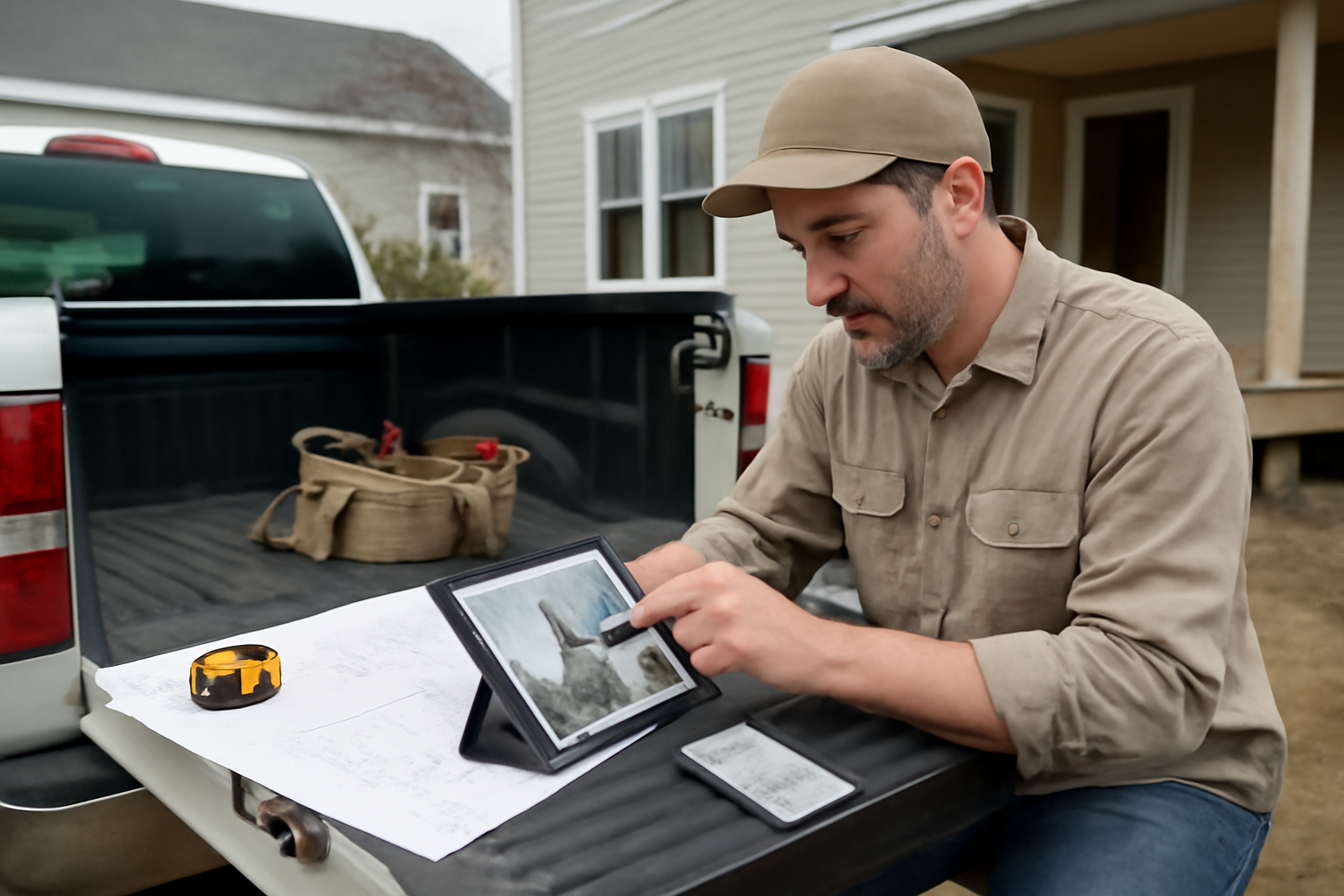
AI estimating software for Connecticut contractors is useful when it helps a contractor do one thing better: turn messy job information into a clear, reviewable estimate faster. For Connecticut contractors, that usually means pulling together site photos, blueprint sheets, short videos, voice notes, town requirements, material notes, and client expectations before the lead gets cold.
This is not about letting software blindly price a job. A Connecticut contractor still needs to review the scope, check quantities, apply labor judgment, and decide what gets sent to the customer. The value of AI is in reducing the office bottleneck between the site visit and the professional bid.
Key takeaway: AI estimating software should speed up the draft, not replace the estimator
The best use of AI estimating software for Connecticut contractors is to build a stronger first draft. That draft should organize the work, call out unknowns, separate materials from labor, and make it easier to spot what is missing before the proposal goes out.
For a Bridgeport remodel, that might mean converting photos of a kitchen, a voice note about moving a wall, and a few measurements into a starting scope with demolition, framing, electrical impacts, patching, finishes, cleanup, and allowances clearly separated. For a Hartford commercial repair, it might mean reading a drawing set and highlighting which sheets affect the bid. For a shoreline project, it might mean reminding the estimator to think about moisture exposure, exterior detailing, disposal, and schedule risk.
A good AI workflow does not remove contractor judgment. It gives the contractor a better checklist, a faster draft, and fewer chances to forget a line item when the phone is ringing.
Why Connecticut estimating work gets complicated
Connecticut is a small state, but the estimating conditions are not all the same. Bridgeport, Stamford, Norwalk, and other Fairfield County markets often bring tighter schedules, higher client expectations, older housing stock, and jobsite access issues. New Haven and Hartford contractors may handle a mix of historic homes, dense neighborhoods, tenant improvements, and public-facing commercial work. Rural areas and Litchfield County jobs can add travel time, weather exposure, and supplier timing into the bid.
Contractors also need to think locally. Building departments, permit expectations, inspection timing, and documentation can vary by town. Residential contractors should verify Connecticut Department of Consumer Protection home improvement registration requirements where applicable. Work on older homes may require lead-safe planning, and demolition or disposal scopes should be checked against state and local rules before the final number is sent.
That state-specific friction is exactly why generic estimate templates fall short. A template may list drywall, paint, and flooring. It will not automatically remind you that the Bridgeport job has tight parking, the West Hartford house may need careful lead-safe sequencing, or the shoreline exterior repair may need better moisture details.
A practical Connecticut contractor estimating workflow
Use AI as a drafting assistant, then run your normal senior-estimator review before the customer sees anything.
1. Capture the job cleanly at the site
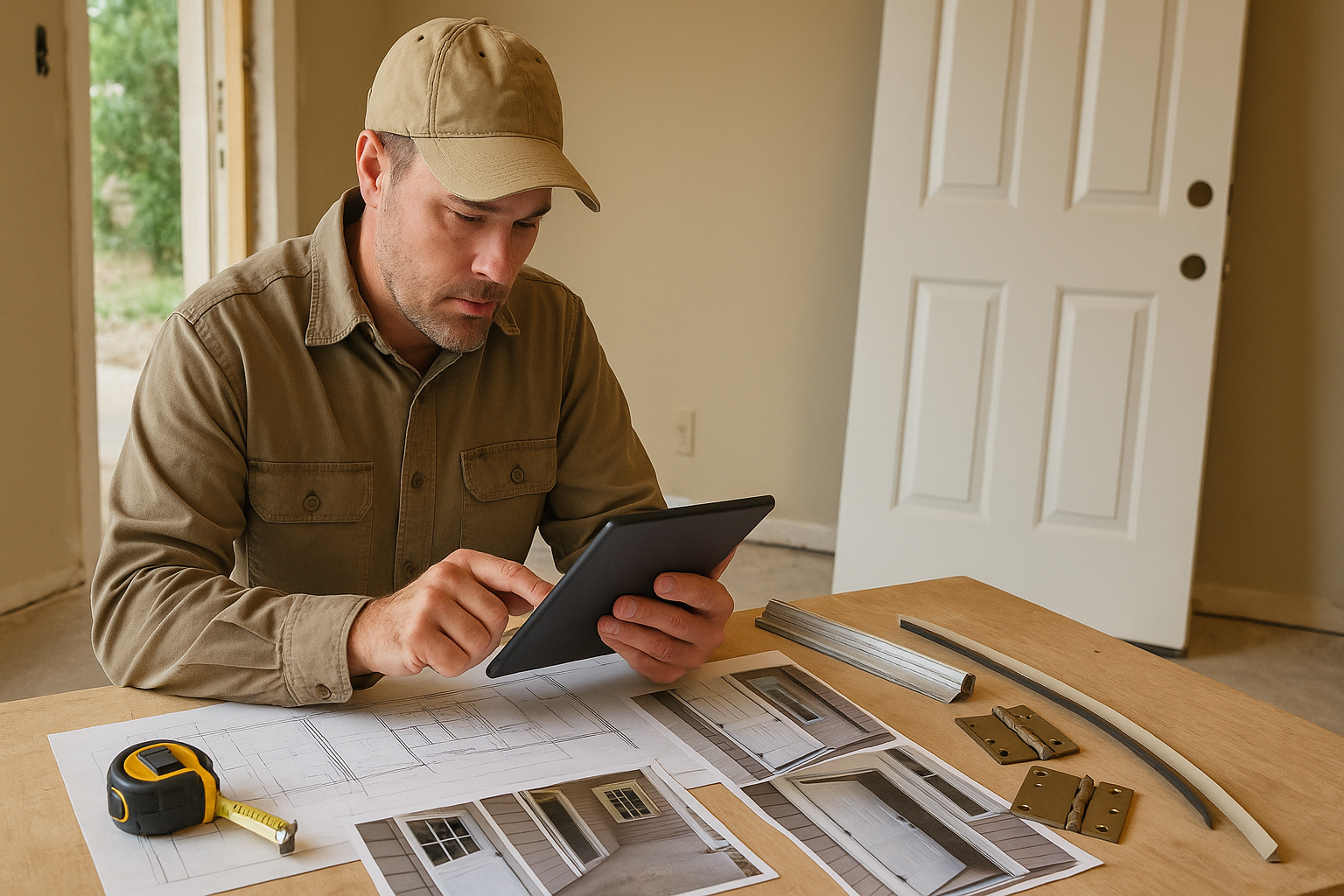
Take photos of every work area, access point, damaged condition, mechanical conflict, and finish transition. Record a quick voice note before you leave: what the client asked for, what you promised to price, what you excluded, and what you need to verify. If you have drawings, add the relevant sheets instead of forcing someone in the office to hunt for them later.
2. Turn raw inputs into a structured scope
The first draft should break the job into sections: existing conditions, demolition, rough work, MEP impacts, surfaces and finishes, cleanup, disposal, and owner decisions. This is where AI can save time. It can organize photos, blueprints, videos, and notes into a scope that is easier to review than a blank document.
3. Add Connecticut-specific checks
Before pricing, add a local review pass:
- Does the work likely require a town permit or inspection?
- Is the property old enough that lead-safe work practices need to be considered?
- Are there access, parking, elevator, condo board, or shoreline exposure issues?
- Will winter weather, freeze-thaw cycles, or humid coastal conditions affect schedule or material choice?
- Are disposal, hauling, and staging realistic for the job location?
These checks keep the estimate from being technically complete but practically underbid.
4. Price materials, labor, overhead, and risk separately
Do not let any tool hide the math. Materials, labor, subcontractors, equipment, disposal, overhead, profit, and contingency should be visible enough for the contractor to adjust. AI can help draft the lines, but the contractor should set labor productivity, margin, and allowances based on actual field experience.
5. Send a professional proposal and follow up fast
A clean estimate should explain what is included, what is excluded, what assumptions were made, and what decisions can change the price. Speed matters, but clarity protects the contractor. The goal is a proposal the customer understands and the contractor can stand behind.
For more contractor estimating ideas, Estimado keeps building practical resources on the Estimado AI blog.
Common estimating mistakes Connecticut contractors should avoid
Using one flat template for every town and job type
A simple template can be a useful starting point, but Connecticut jobs often need local context. A Stamford condo renovation, Bridgeport exterior repair, and Manchester basement remodel should not be estimated like the same job.
Forgetting site conditions that change labor
Parking, material staging, occupied homes, elevator access, tight streets, and cleanup rules can change labor more than the material list does. Capture those details in the first scope draft.
Pricing before unknowns are listed
If measurements, finish selections, permit responsibility, or structural/MEP impacts are unclear, list them as assumptions or questions before sending a firm number. Guessing makes the estimate look fast, but it can cost real money later.
Treating AI output as final
AI can organize the work, but it should not be the final authority. The contractor still needs to review quantities, labor assumptions, exclusions, and customer-facing language before approval.
How Estimado AI helps
Estimado AI is built for contractors who want the speed of AI without giving up control of the estimate. The workflow is designed to turn job photos, blueprints, videos, and voice notes into a structured estimate draft with scope, material lines, labor breakdown areas, assumptions, and a customer-ready proposal path.
The contractor stays in the loop. You review the draft, adjust what needs field judgment, approve the final number, and decide when it goes to the customer. That matters in Connecticut because every job can carry local permitting, access, age-of-home, weather, or client-expectation details that a contractor needs to own.
If you want a faster way to turn job information into professional estimate drafts while you stay in control of the final number, join the Estimado AI waitlist.
Next step
If your Connecticut team is losing time between site visits and finished proposals, start by tightening the capture process: photos, measurements, voice notes, drawings, assumptions, and exclusions. Then use AI to turn that information into a draft you can review instead of starting every bid from a blank page.
FAQ
Is AI estimating software accurate enough for Connecticut contractors?
It can be useful when it creates a reviewable draft and makes assumptions visible. It should not be treated as a final bid without contractor review, local checks, and pricing judgment.
Can AI estimating software handle photos and blueprints?
Modern estimating workflows can use photos, videos, voice notes, and drawings as inputs. Contractors should still verify quantities, scope, and exclusions before sending the estimate.
What should Connecticut contractors check before sending an estimate?
Check town permit needs, inspection timing, property age, lead-safe requirements when relevant, access, staging, disposal, weather exposure, finish selections, labor assumptions, and clear exclusions.
Is Estimado AI only for large contractors?
No. Estimado is intended for contractors who need faster, cleaner estimates without adding office overhead, including small and mid-sized contractors estimating from the field.